Chimney services Conyers homeowners can book
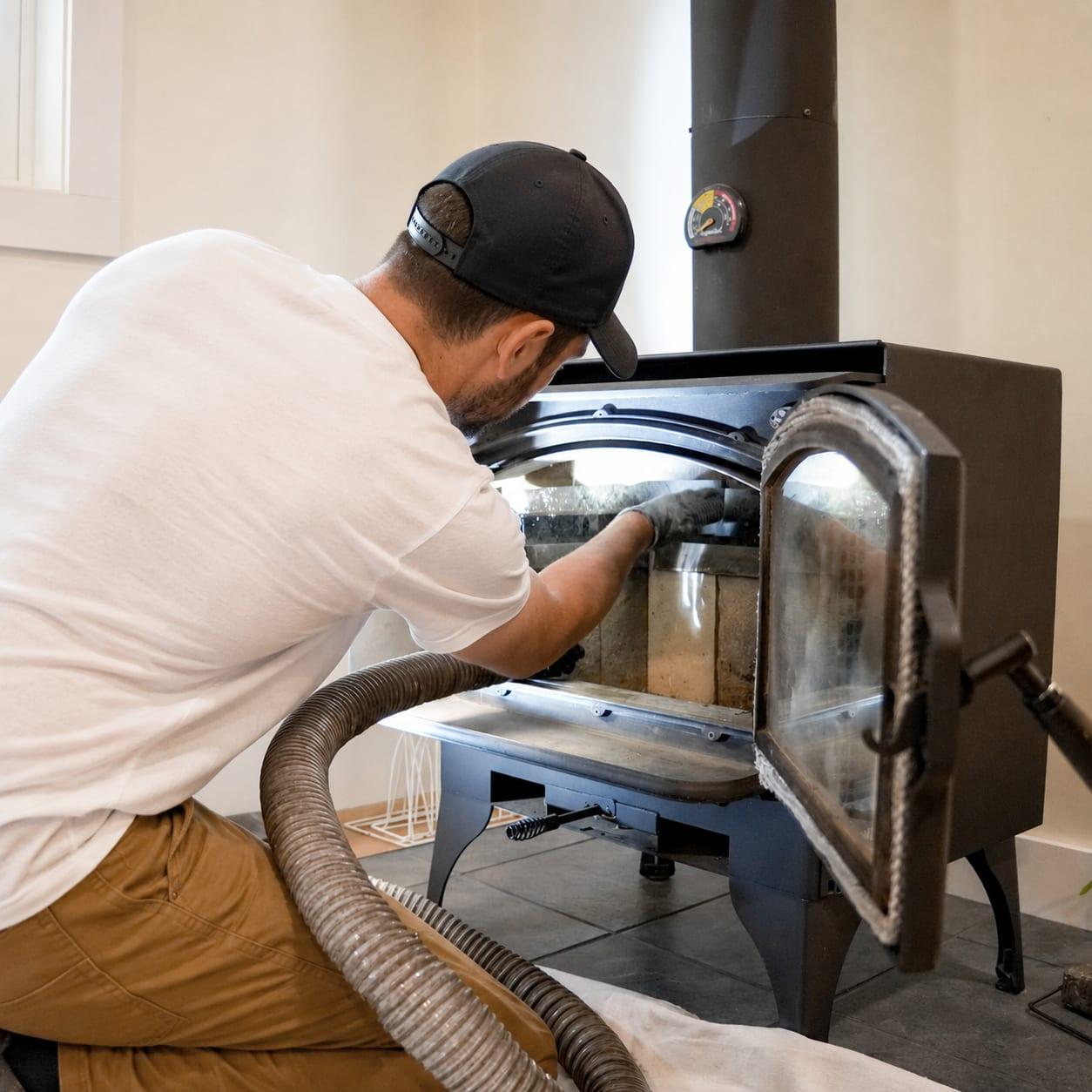
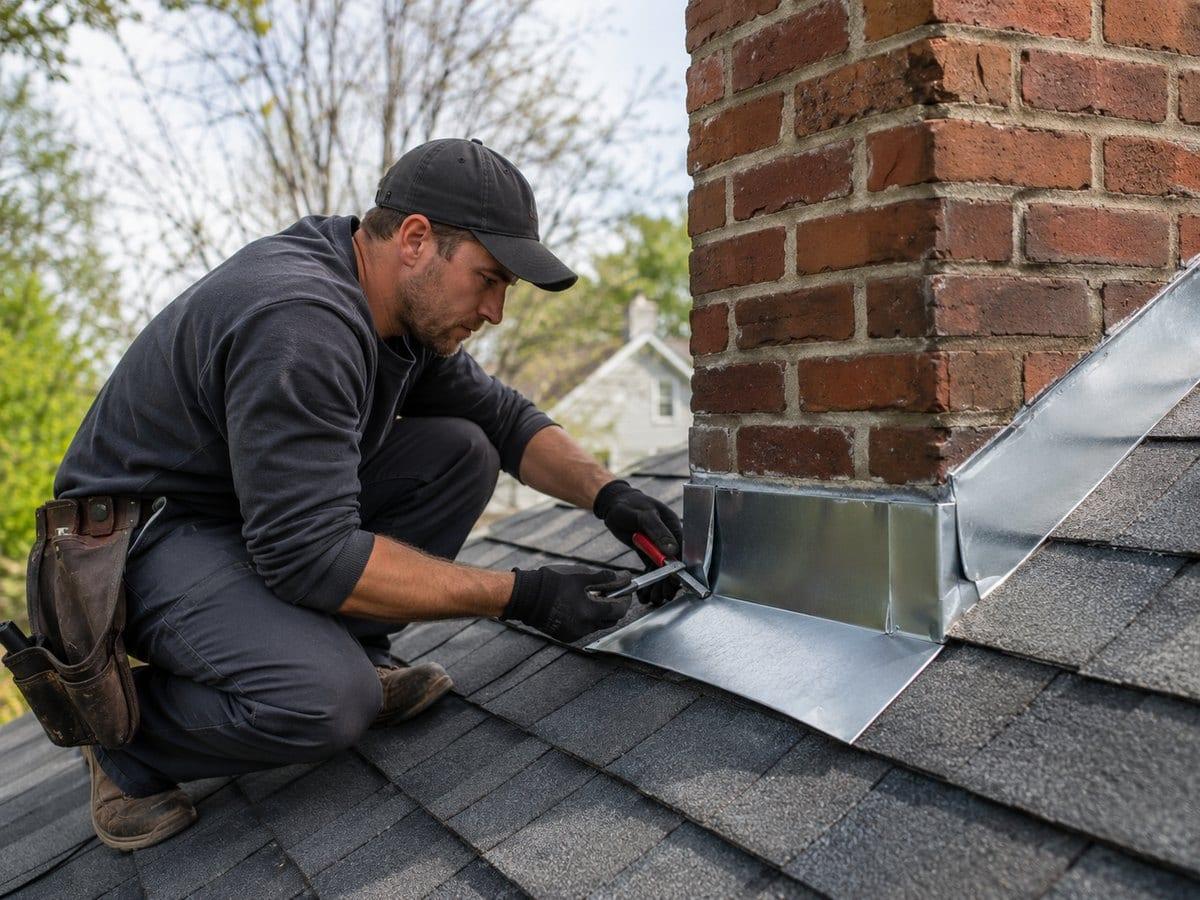
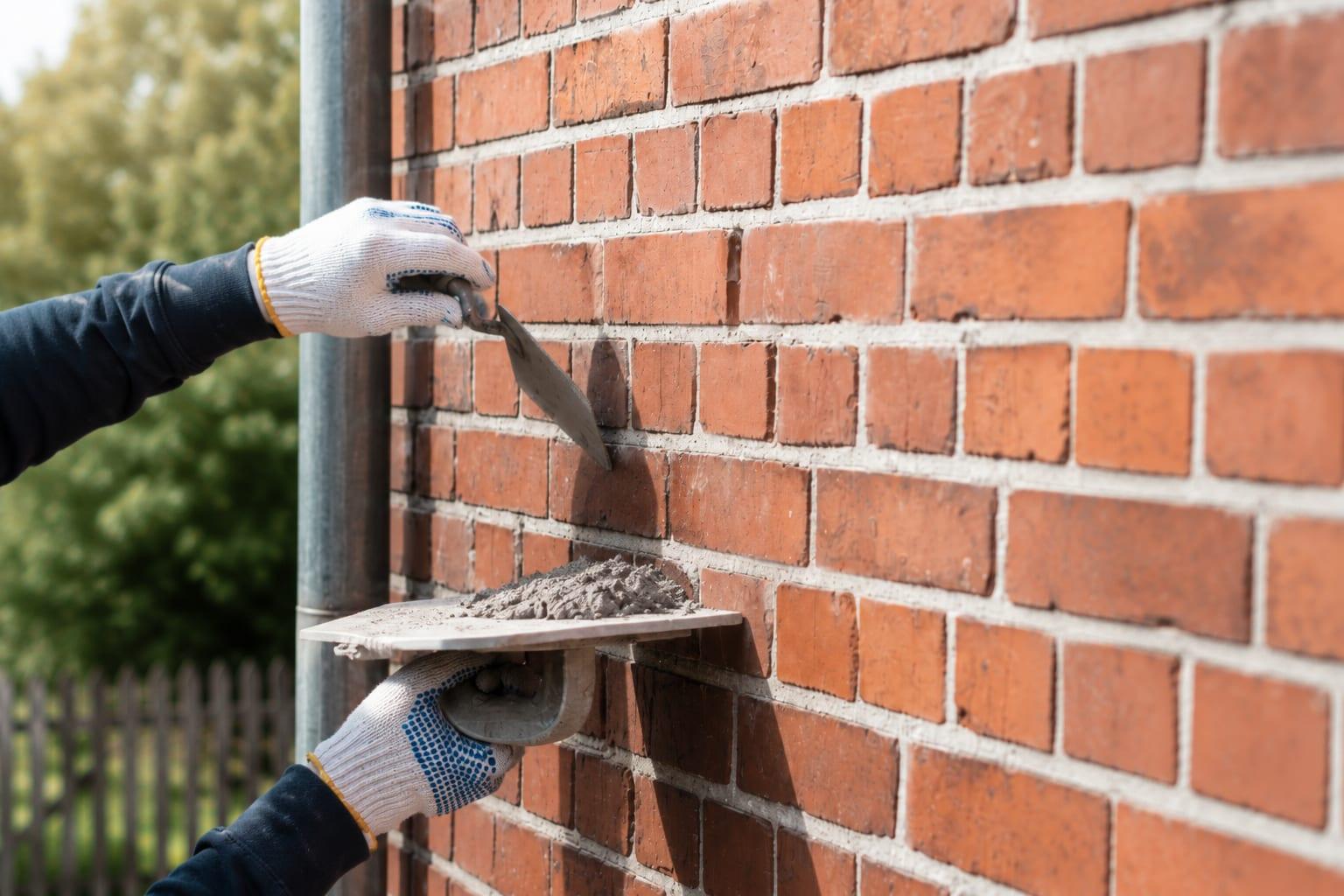
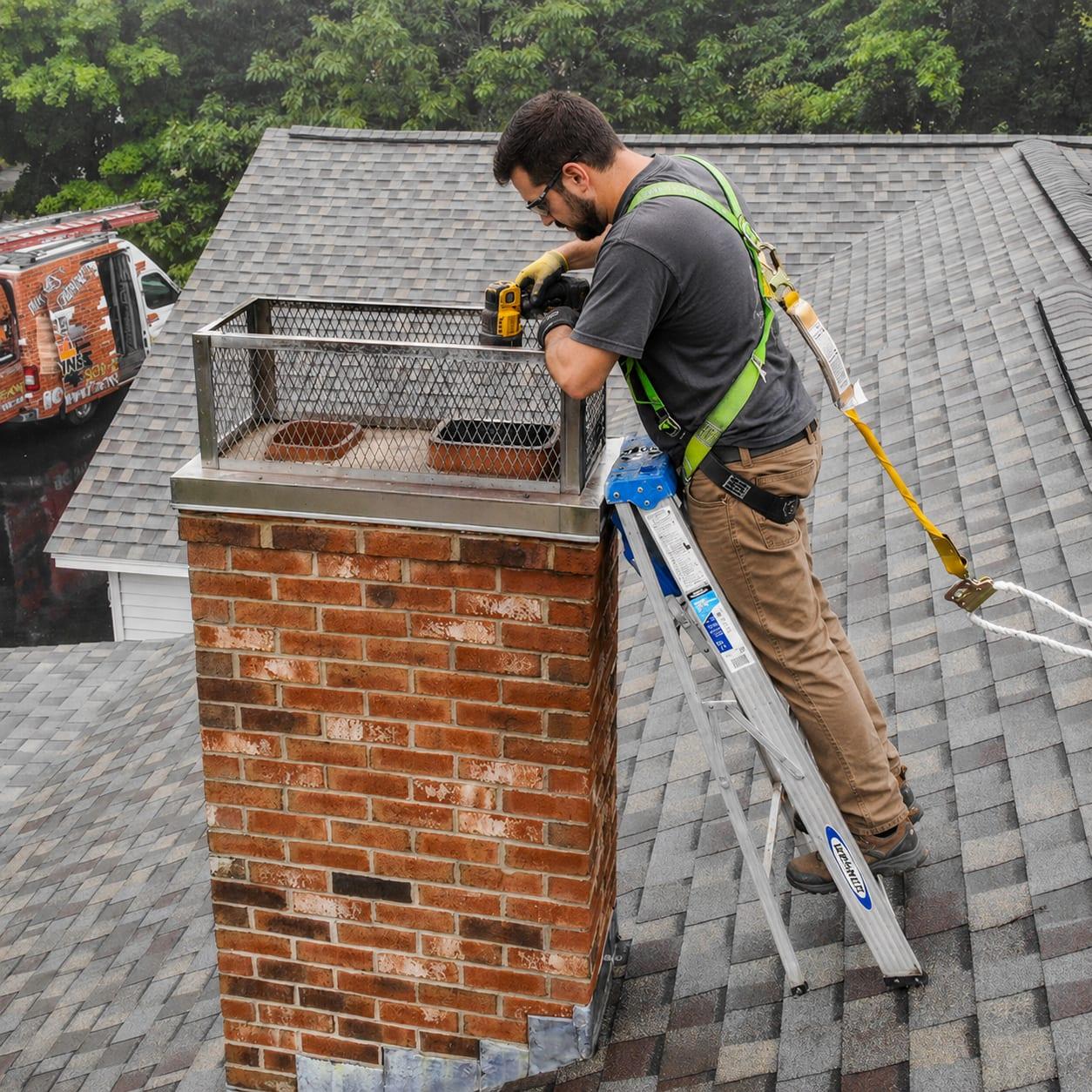
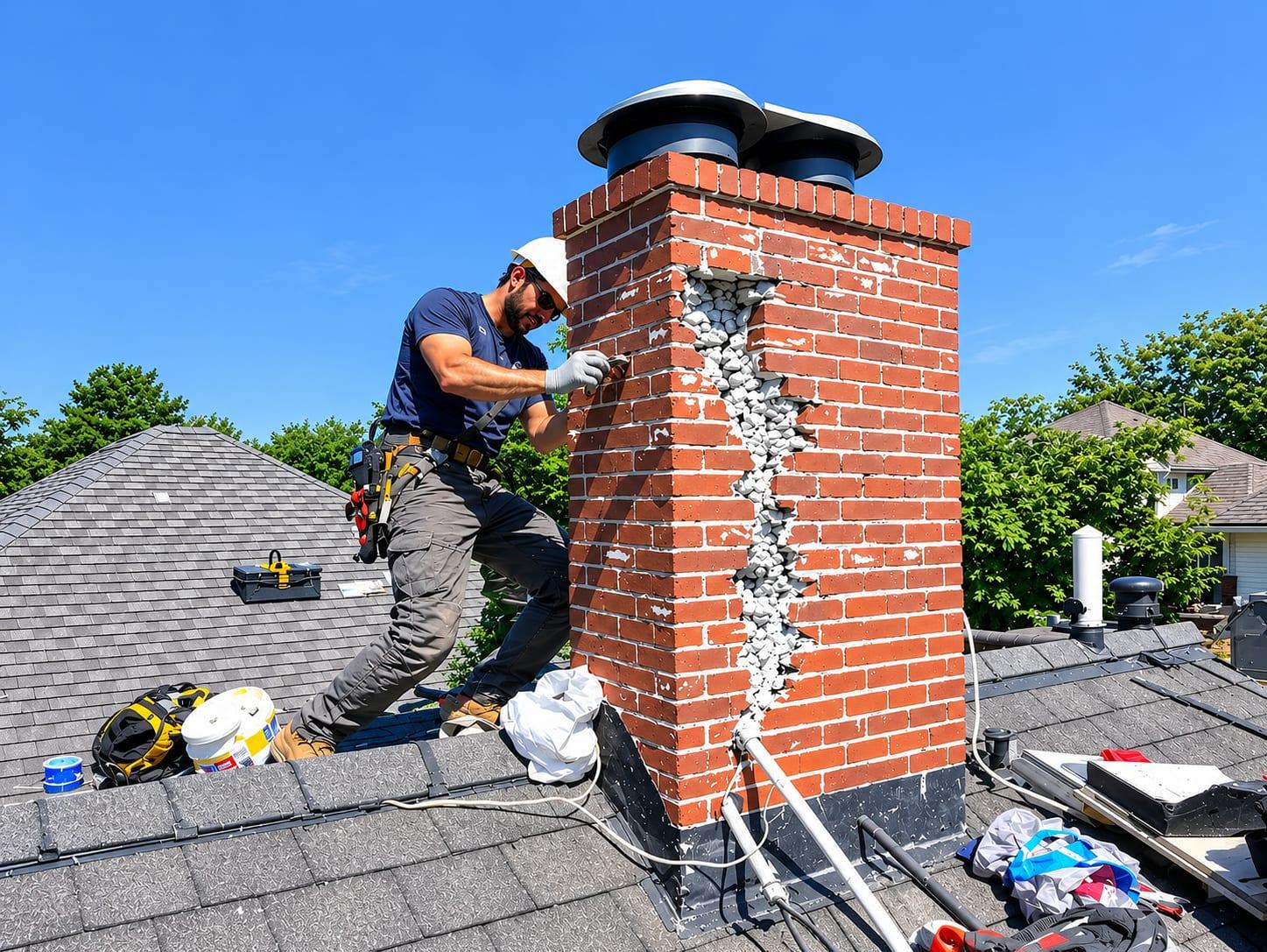
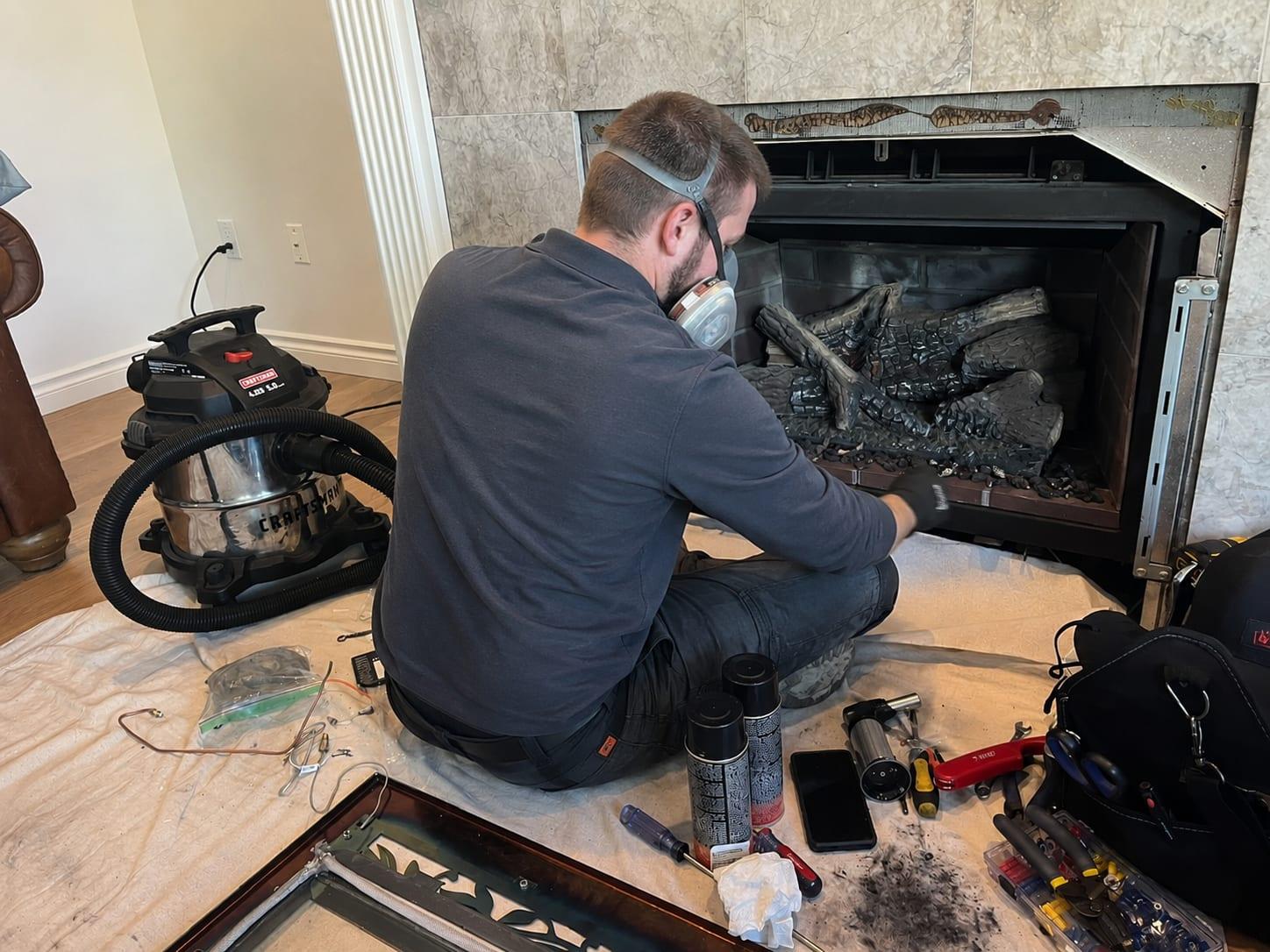
The work falls into four groups. The first is keeping the flue clean, through a chimney sweep for Conyers homes that removes soot and creosote. The second is finding out what condition the chimney is in, with a chimney inspection before the burning season or before a home sale. The third is fixing what that inspection turns up, from cracked crowns to leaks at the roofline, through masonry and chimney repair. The fourth is gas: servicing, repairing or installing a gas fireplace or gas logs.
Dryer vents are part of the same work. A long or crushed vent run collects lint the same way a flue collects soot, so the vent can be cleaned and checked during the same visit as the chimney.
What the housing figures say about Conyers chimneys
About 8% of the housing units in Conyers were built before 1960, according to the U.S. Census Bureau's American Community Survey 2019–2023 5-year estimates (table B25034, Year Structure Built). That leaves roughly nine in ten homes built in 1960 or later.
The age of a house matters for chimney work because flue liners, mortar and crowns wear out over decades. A chimney built more than 60 years ago may be on its original liner and original mortar joints, and some chimneys from that era were built with no liner at all. If your home is in that older group, ask for an inspection that looks inside the flue, not only at the firebox and the cap.
Worth checking in a chimney built before 1960
- Whether the flue has a liner, and whether any clay tiles are cracked, shifted or missing
- Mortar joints on the outside of the stack that have eroded or fallen out
- A crown that is cracked or letting water into the masonry
- Water stains on the ceiling or wall next to the chimney, which can point to failed flashing
- A damper that sticks, won't close fully or has rusted through
Newer homes still need attention. Creosote builds up in any wood-burning flue, caps and chase covers rust, and gas units need their burners, logs and venting checked. In a house built in 1960 or later, problems are less likely to come from age and more likely to come from use, water and missing caps.
Sources (1)
Facts and figures on this page come from these references.
- 1U.S. Census Bureau, American Community Survey 2019–2023 5-year estimates, table B25034 (Year Structure Built)