On this page
What air duct cleaning is and what it involves
A forced-air system pulls room air into return ducts, sends it past the air handler and blower, and pushes it back out through supply ducts to each register. Fine dust, pet hair, lint and drywall dust from remodeling settle along the way, mostly in the returns, near the air handler and at bends where airflow slows. Air duct cleaning loosens that material and pulls it out of the system instead of leaving it to blow back into the house.
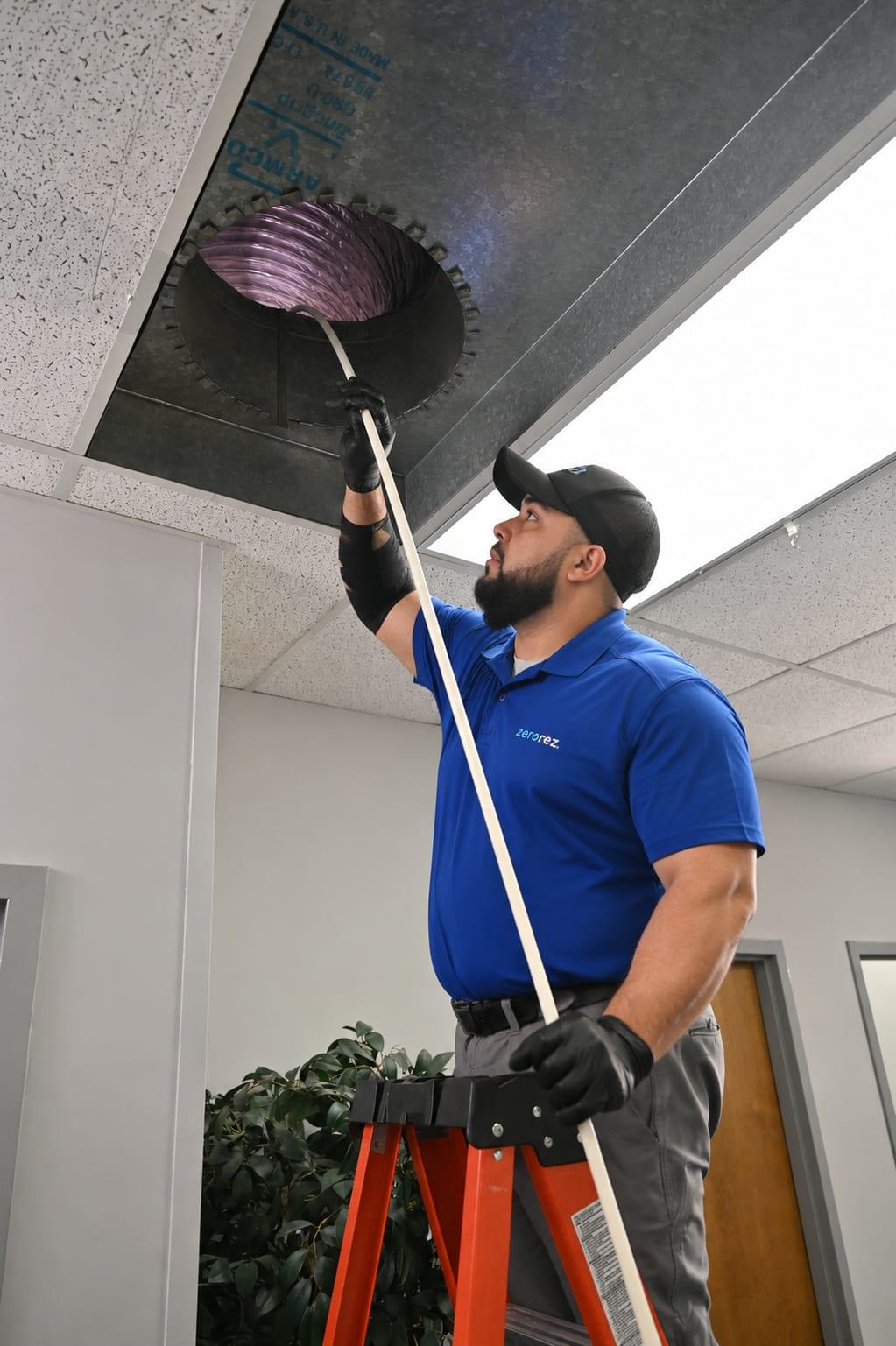
Routine cleaning is different from clearing a run that barely moves air at all. When a duct is packed with debris or nest material, or a register has gone nearly silent, clogged air duct cleaning is the better fit, and we can tell you which one your system needs.
Signs your home needs air duct cleaning
- Puffs of dust come out of the registers when the system starts up.
- Furniture and shelves gather a fresh layer of dust within days of cleaning.
- Return grilles look gray and matted, or you can see debris just inside the duct opening.
- You finished a renovation, sanding or drywall project while the system was running.
- There are droppings, nesting material or insect activity around the vents.
- A stale or musty smell shows up when the heat or air comes on.
- You moved into a home and have no idea when the ducts were last cleaned.
Cleaning helps with buildup inside the ducts. It won't fix a room that stays warm because a duct has come loose or been crushed, so if we find a problem like that during the visit, we'll show it to you and explain what it means.
What the visit involves, step by step
A typical air duct cleaning visit
Walk-through
We locate the air handler, the return and supply registers, and any areas you're concerned about, then look inside the accessible ducts.
Protect the house
Floors around the work areas are covered, and the system is shut off so dust isn't pushed around while we work.
Loosen and remove buildup
Debris is dislodged from the duct walls and drawn out of the system, working through the returns and supply runs.
Registers and grilles
Covers are removed and cleaned, and the openings behind them are cleared.
Final check
We restart the system, confirm air is moving at the registers, and go over what we saw, including anything that needs attention beyond cleaning.
Safety and maintenance between cleanings
Keep furniture and rugs off registers, and close up any return grille that sits open to an unfinished space. If you also heat with a fireplace or wood stove, the venting for that appliance needs its own attention, and our guide to chimney cleaning and safety covers what to watch for.
How to book air duct cleaning
Get in touch to describe your system and what you're noticing, and we'll give you a free estimate. Same-day visits are available when the schedule allows. We also handle commercial buildings and work for property managers who need multiple units done. Across the metro we schedule air duct cleaning in Alpharetta, air duct cleaning for homes in Johns Creek and air duct cleaning, along with the rest of Greater Atlanta.
What the technician checks
- Flue and liner
- Damper
- Flashing
- Firebox
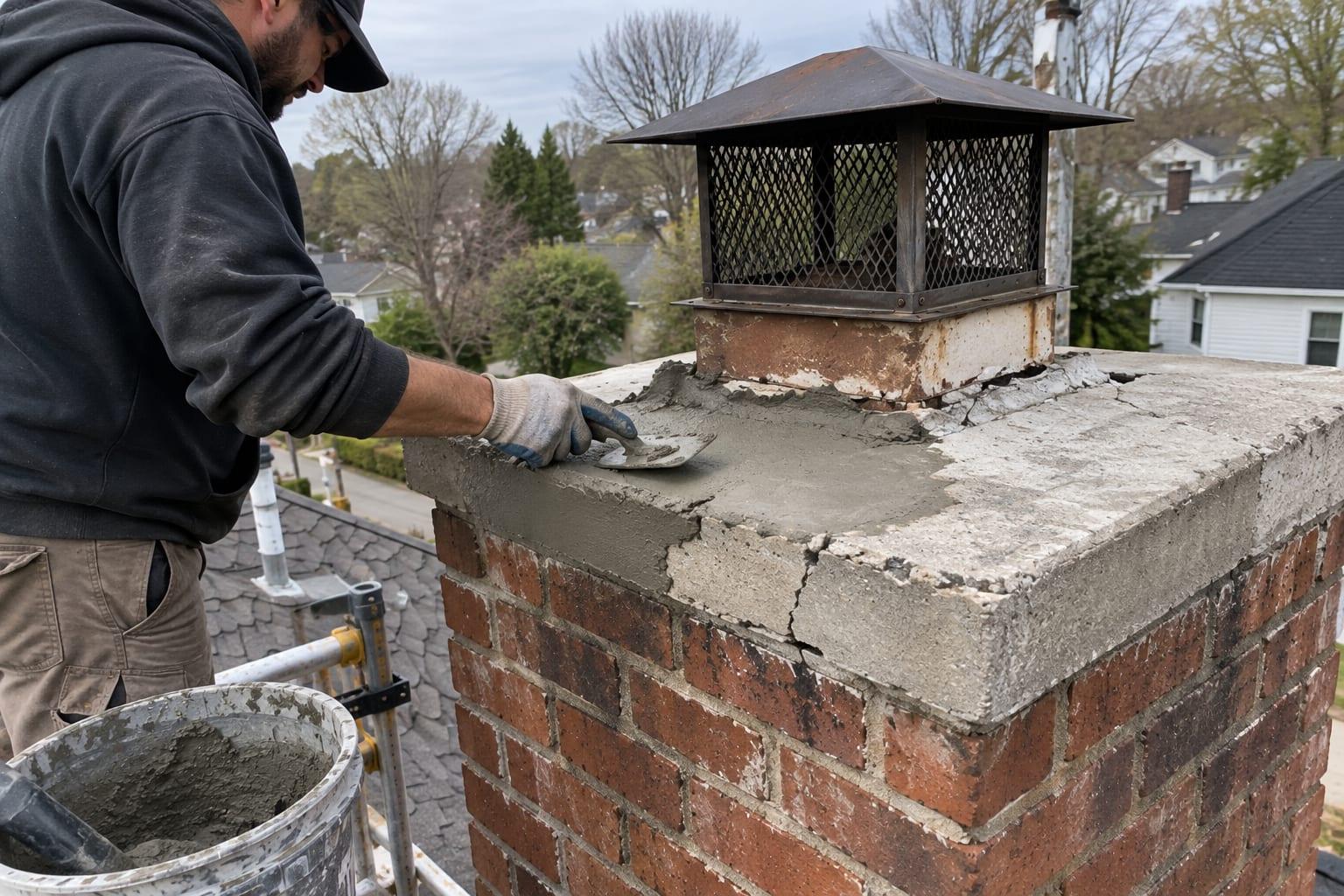
- Crown and cap
Before the technician arrives
- Write down what you've noticed and when it happens — smells, smoke, sounds or stains.
- Clear a few feet of space in front of the hearth or appliance.
- Let the fireplace or stove cool completely — ideally no fire for 24 hours before the visit.
- Note the make and model of any insert, stove or gas unit if you have it.
Carbon monoxide
A blocked or damaged flue can push carbon monoxide into the home. If an alarm sounds or anyone feels dizzy or sick near the fireplace, get everyone outside and call 911.