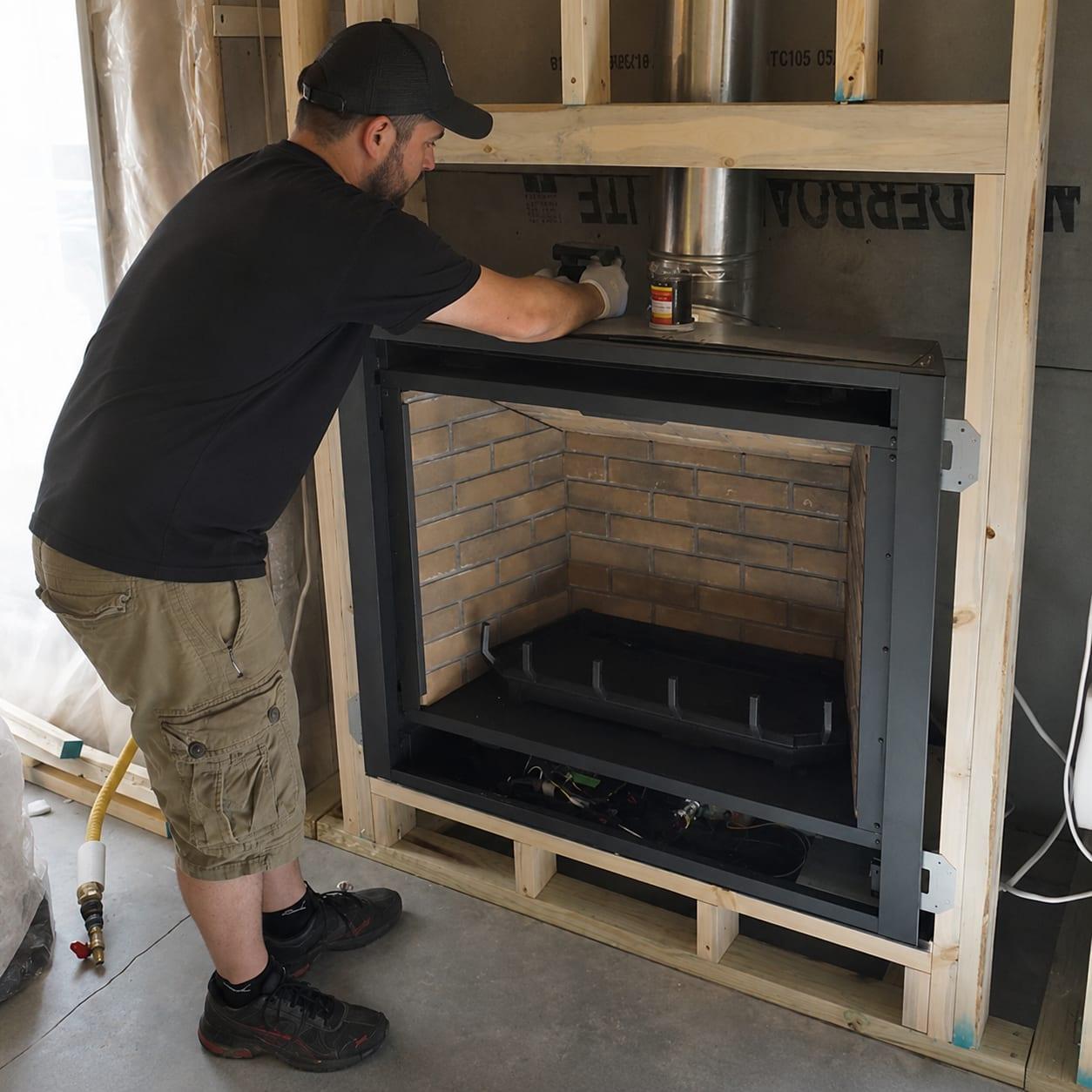
The problem in plain words
A gas fireplace needs three things to light: gas reaching the valve, a spark or pilot flame to ignite it, and a safety sensor that confirms the flame is there. When a gas fireplace won't light, one of those steps is failing. The fireplace is built to shut off gas when something is wrong, so a unit that refuses to light is often doing exactly what it should.
If you smell gas
Leave the building right away. Do not use light switches, phones or any flame inside. Once you are outside, call the gas utility or 911.
The common signs
- Repeated clicking with no flame
- A pilot that lights but goes out when you release the control knob
- A pilot that stays lit while the main burners will not come on
- No response at all from the switch or remote
- Burners that light, then shut off after a minute or two
Possible causes
A technician confirms the cause with testing, but these are the common ones:
- Dead batteries in the remote, receiver or ignition module
- A faulty wall switch or loose wiring
- Dust, debris or insects blocking the pilot opening
- A dirty or worn thermocouple or thermopile that cannot hold the gas valve open
- A cracked or misaligned igniter on electronic-ignition units
- A manual shutoff valve that is closed, or a gas control valve that has failed
- A safety sensor shutting the unit down because of a venting or airflow problem
Why won't my gas fireplace ignite after summer?
Months of sitting idle cause most first-cold-night failures. Dust and spider webs settle into the pilot assembly, batteries drain, sensors pick up a film of oxidation, and the pilot or shutoff valve may have been turned off at the end of last season. If there is no gas smell, checking the batteries and the valve position and following the lighting instructions on the unit's label is reasonable. If it still will not light, the pilot assembly likely needs cleaning and testing.
How urgent it is
Without a gas smell, a fireplace that will not light is an inconvenience, not an emergency. Do not keep pressing the igniter over and over, since each attempt can release a little gas. Stop using the unit if it lights with tall yellow flames, soot, flames rolling out of the opening, or a carbon monoxide alarm. Emergency calls are accepted.
What normally fixes it
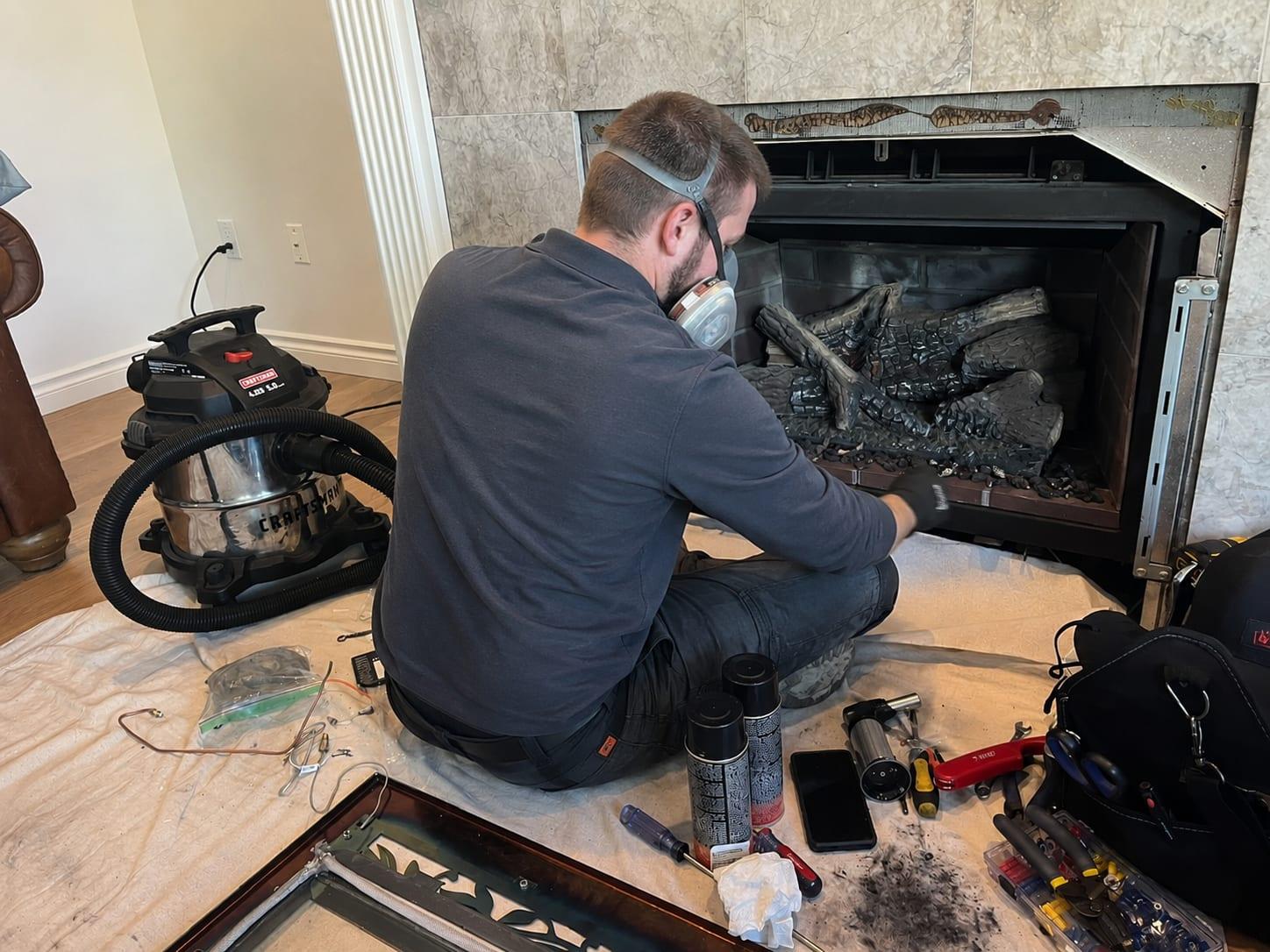
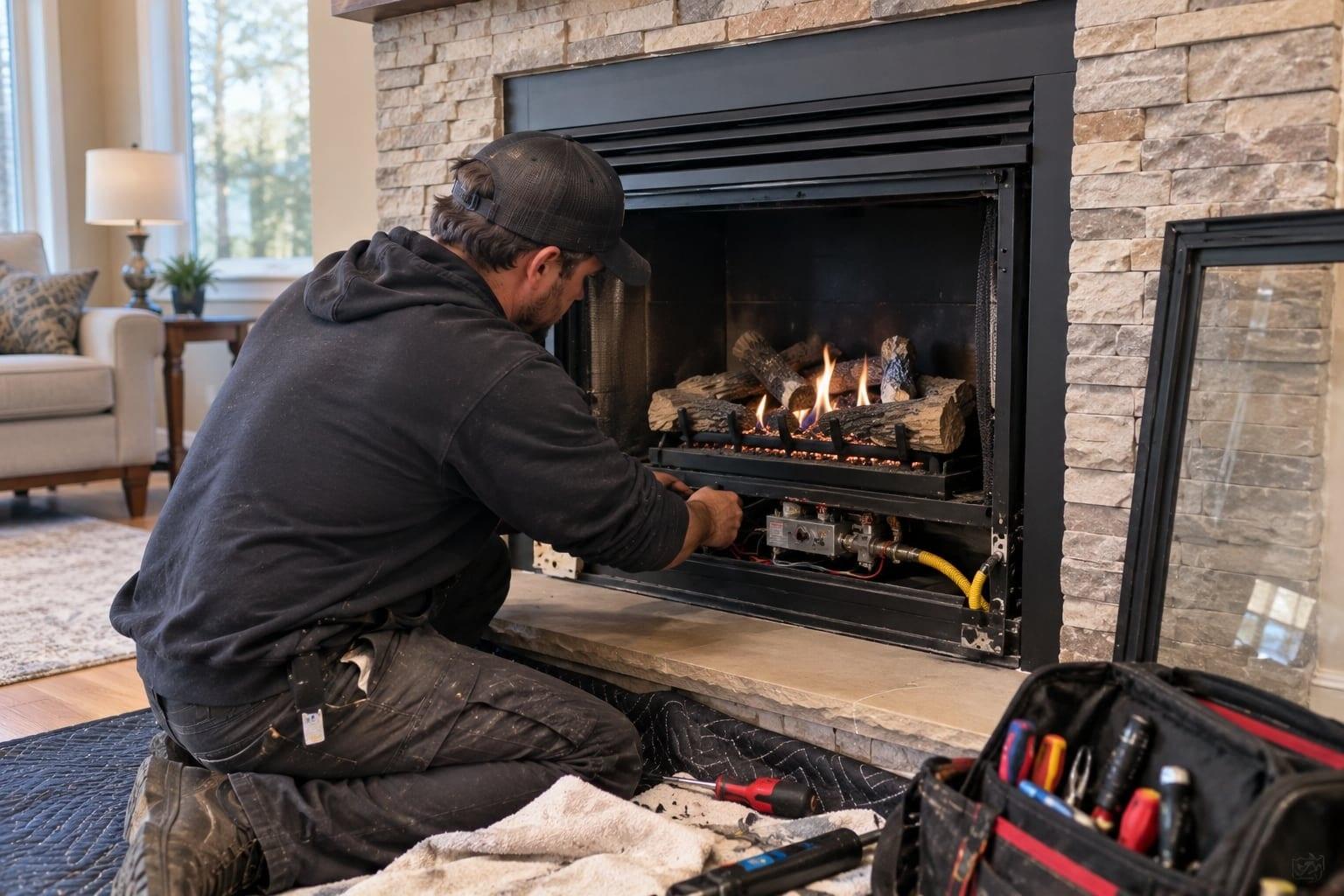
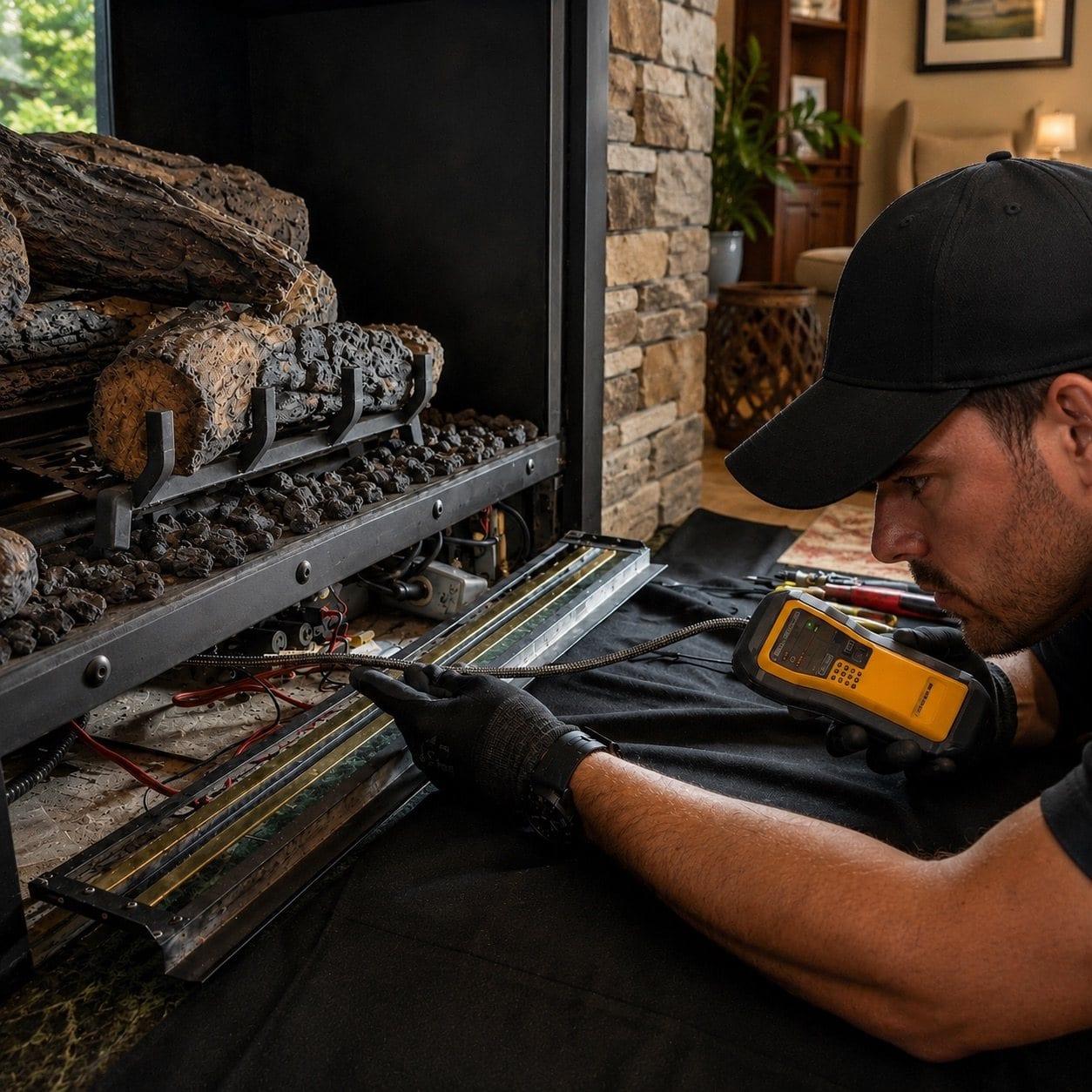
Many no-light problems are solved during routine gas fireplace service and maintenance: cleaning the pilot assembly, testing the thermocouple or thermopile, and checking the igniter and controls. When a part has failed, gas fireplace repair replaces it. We work on all major brands, estimates are free, and same-day visits are available when the schedule allows. If the unit lights but fills the room with smoke or odor, look at what causes smoky fireplaces.
What happens during the visit
Blocked or damaged venting can push exhaust into the room. Logs set in the wrong place cause soot and incomplete burning.
Check ignition
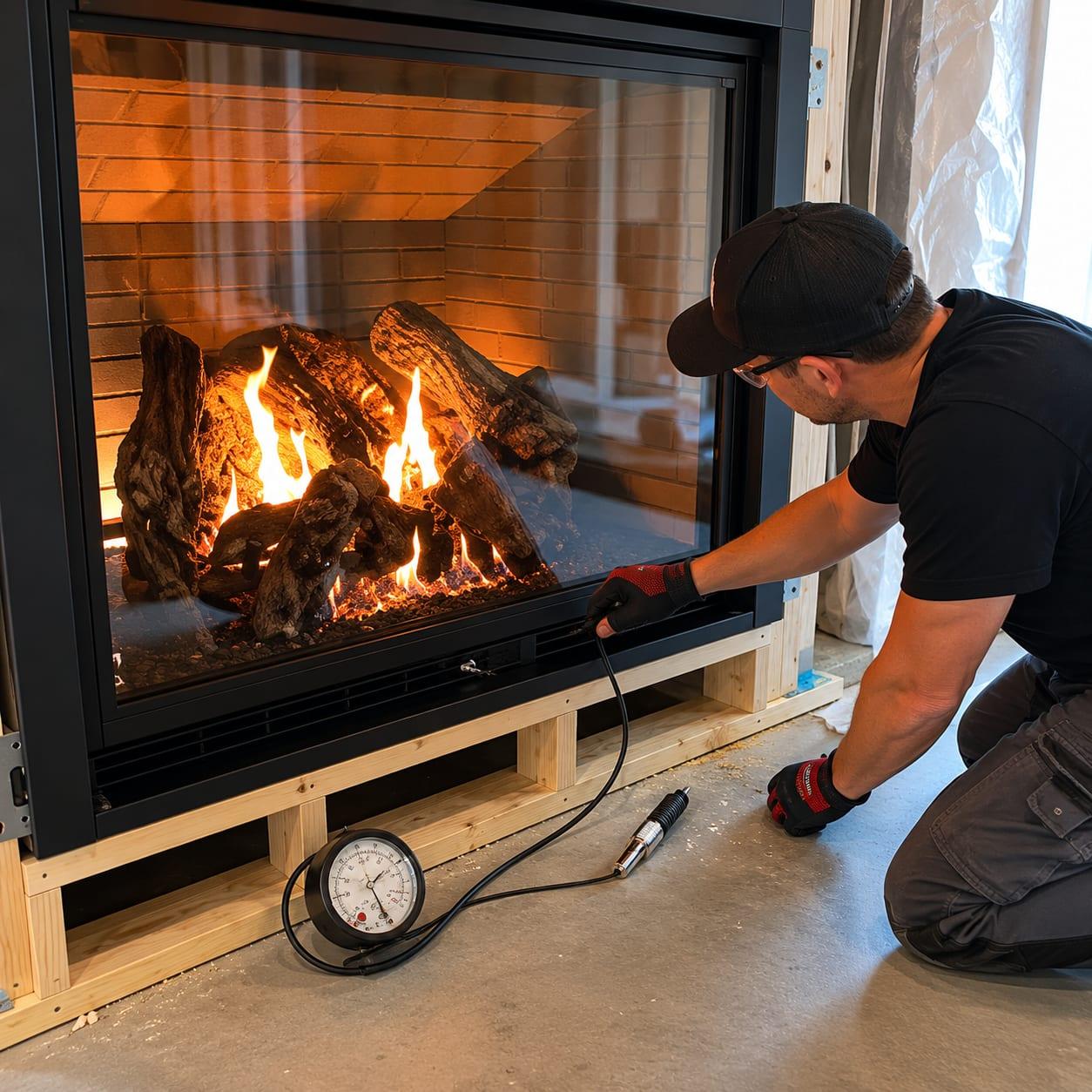
Pilot, thermocouple or thermopile and igniter are tested.
Clean the burner
Burner ports, pilot assembly and logs are cleaned and logs placed per the manual.
Check venting
The vent and termination are checked for blockage and damage.
Test
The unit is run and the flame and controls are checked.
Carbon monoxide
A blocked or damaged flue can push carbon monoxide into the home. If an alarm sounds or anyone feels dizzy or sick near the fireplace, get everyone outside and call 911.
Checked on every visit
- Controls and remote
- Log placement
- Glass and gasket seal
- Vent and termination cap
- Burner ports
- Pilot assembly and flame