On this page
What wood stove installation involves
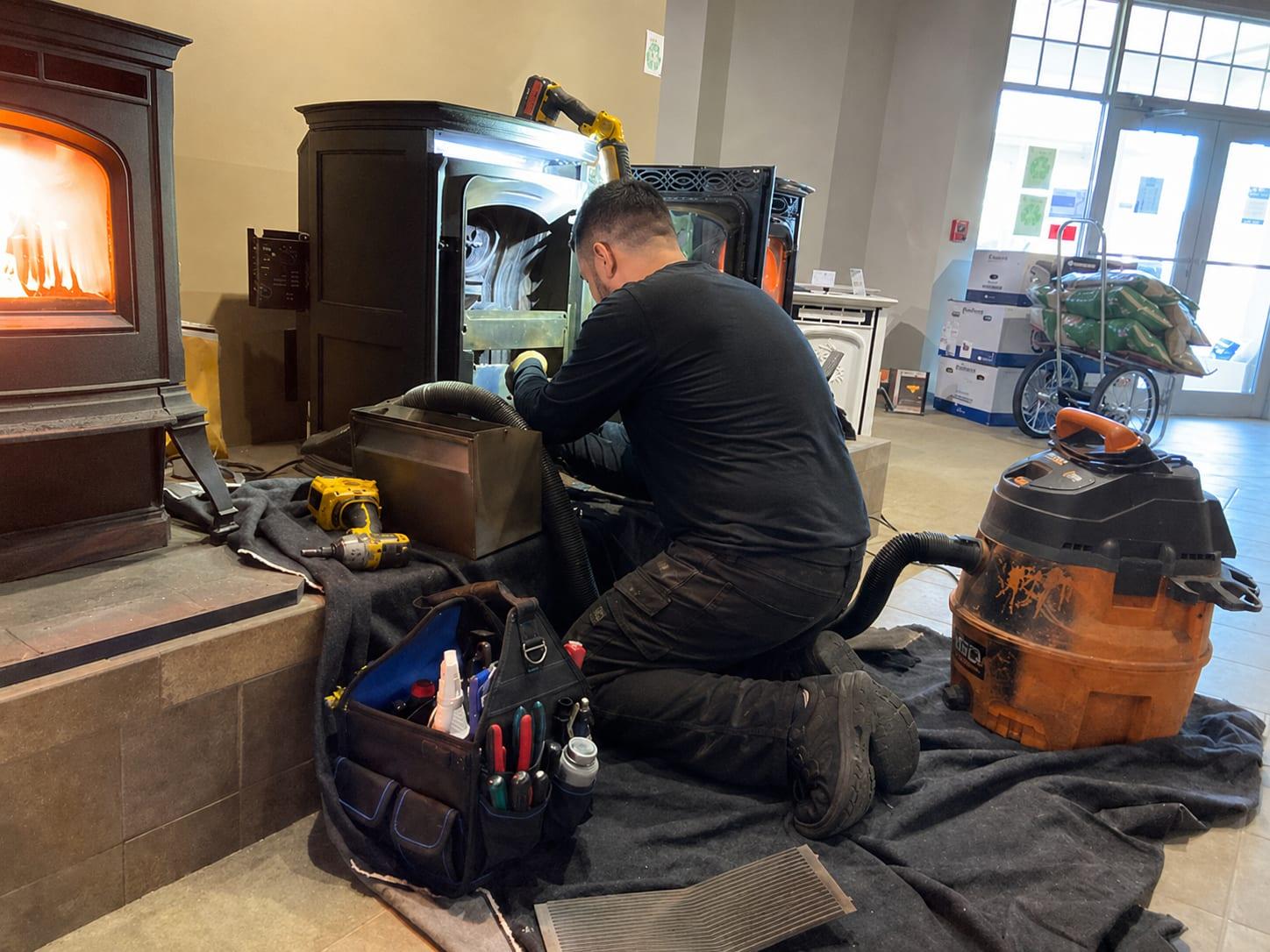
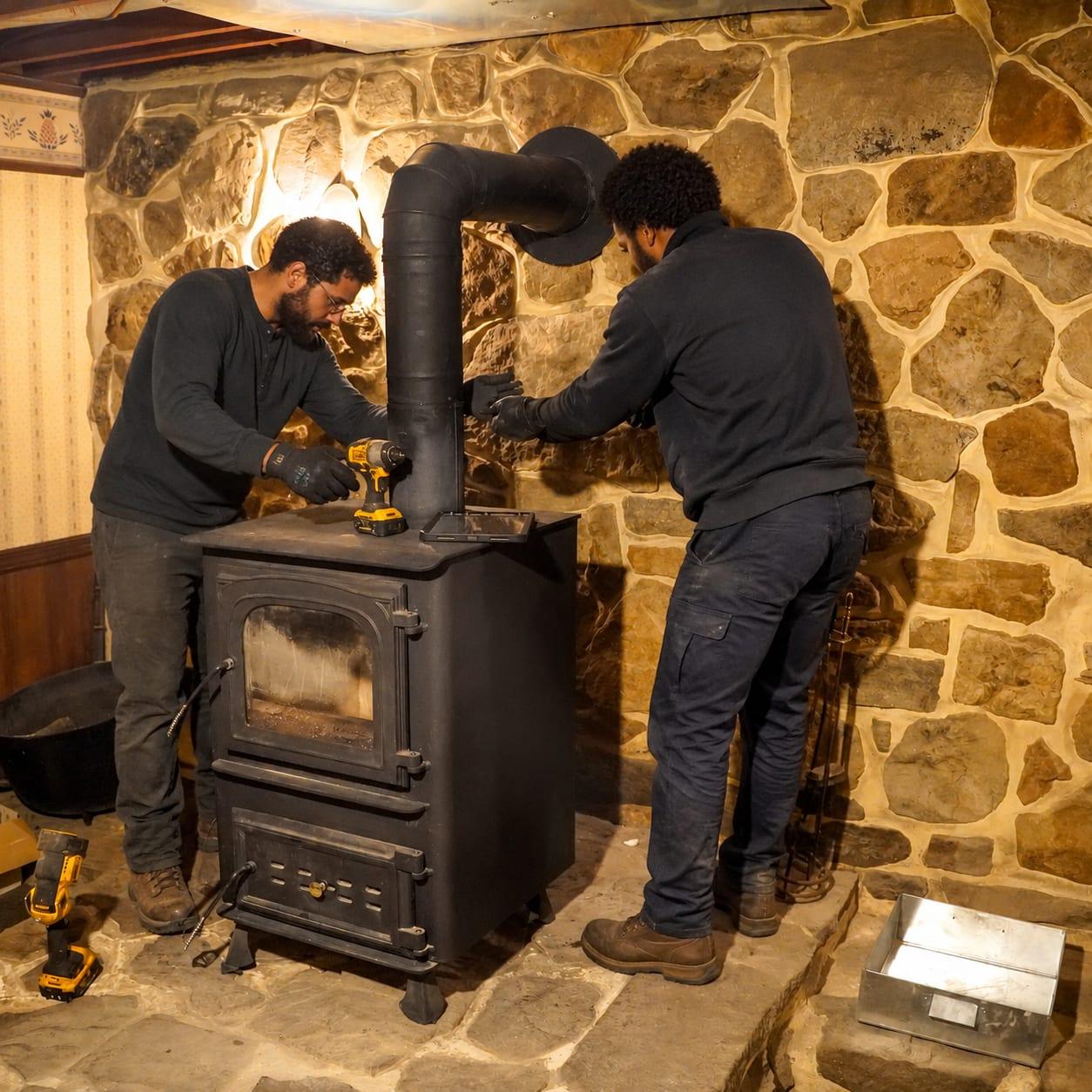
Wood stove installation means putting a new solid-fuel heater into your home and connecting it to a venting system that can safely carry smoke and heat outside. The stove is the visible part. Most of the work is in what surrounds it: the floor protection under it, the clearance to nearby walls and furniture, the stove pipe or liner, and the chimney the smoke travels through.
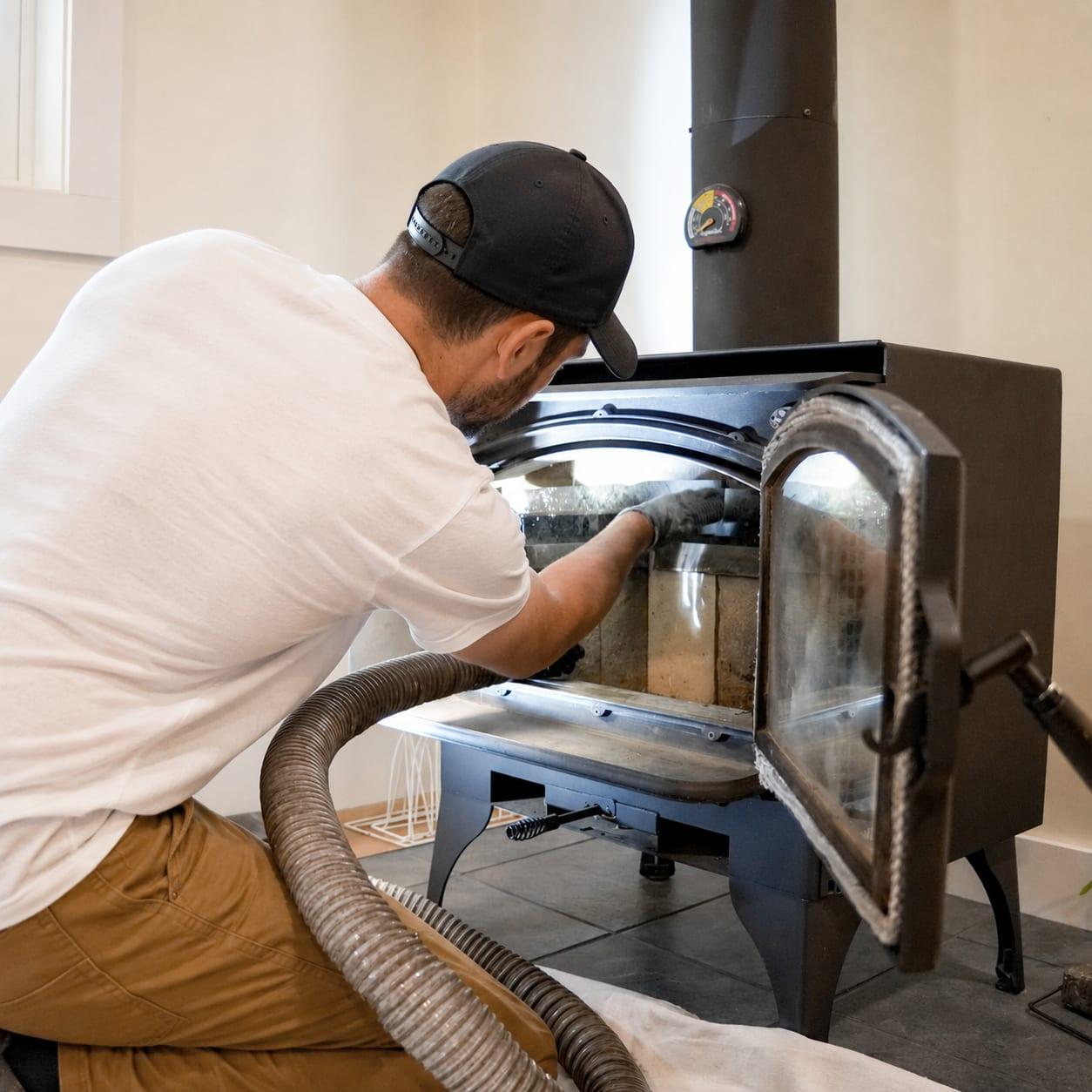
There are two common setups. A freestanding stove sits on a hearth pad in the room and connects through stove pipe to a chimney. A wood stove insert slides into an existing masonry fireplace and vents through a liner run up the old flue. If you are still deciding between the two, our comparison of freestanding wood stoves and fireplace inserts walks through how each one heats a room.
Signs your home needs a new wood stove
Installation is the right job when you are adding a stove, replacing one that can no longer be trusted, or turning an open fireplace into a real heat source. Common reasons homeowners call:
- An open fireplace sends most of its heat up the chimney and you want a fire that actually warms the room.
- The current stove is an older, uncertified model that smokes, burns through wood quickly or leaves heavy creosote.
- The stove body is cracked, warped or rusted through, and fixing it would cost more than it is worth.
- You are renovating or adding a room and want a wood heat source that does not depend on power.
- A home purchase came with a stove that has no visible certification label and no installation records.
If the stove itself is sound and only a part has failed — a door gasket, a baffle, glass — repairing the existing stove is usually the better call. If it simply burns poorly because of buildup, a thorough wood stove cleaning may be all it needs.
What the installation visit involves, step by step
From estimate to first fire
Free estimate and walkthrough
We look at where you want the stove, the room layout, the floor and walls nearby, and whether there is an existing chimney to work with.
Chimney and flue check
Before a new appliance connects to an existing chimney, the flue needs to be inspected. A Level 2 inspection, which includes a camera look inside the flue, is the standard recommendation when the type of appliance changes.
Plan the stove and venting
We match the stove to the room and the flue size, then confirm clearances and hearth protection against the stove manufacturer's installation instructions.
Prepare the hearth
Non-combustible floor protection goes down where the stove will sit, sized to the stove's listing, and wall protection is added where clearances call for it.
Set the stove and connect it
The stove is placed and connected with stove pipe or, for an insert, with a liner run the full height of the chimney. Joints are secured and sealed as specified.
Cap, test and walk you through it
We top the flue with a cap, check draft, run a test burn, and show you how to load, light and control the stove.
Level 2 inspection before a new stove
An existing chimney that worked for an open fireplace may still have cracks, gaps or the wrong flue size for a stove. Checking it on camera before installation catches problems while they are still easy to deal with.
Components, materials and fuel
| Component | What it does |
|---|---|
| Stove or wood stove insert | Burns the wood and radiates or circulates heat into the room. |
| Hearth pad and wall protection | Non-combustible protection under and around the stove so floors and walls stay safe from heat and embers. |
| Stove pipe (connector) | Carries smoke from the stove's flue collar to the chimney. |
| Chimney liner | Gives the smoke a correctly sized, sealed path up an existing masonry chimney. |
| Factory-built chimney | A listed metal chimney system used where there is no masonry chimney. |
| Chimney cap | Keeps rain, animals and debris out of the flue and helps stop sparks. |
Where there is no chimney at all, a new venting system is part of the job; you can read more about building a new chimney for a stove or fireplace. Seasoned cord wood is the fuel for a wood stove. If you would rather load a hopper than split and stack, our guide to how pellet stoves compare with wood stoves covers the trade-offs, and pellet units need their own venting for a pellet stove. For whole-house wood heat rather than a single room, look at wood furnace installation instead.
Gas stove installation
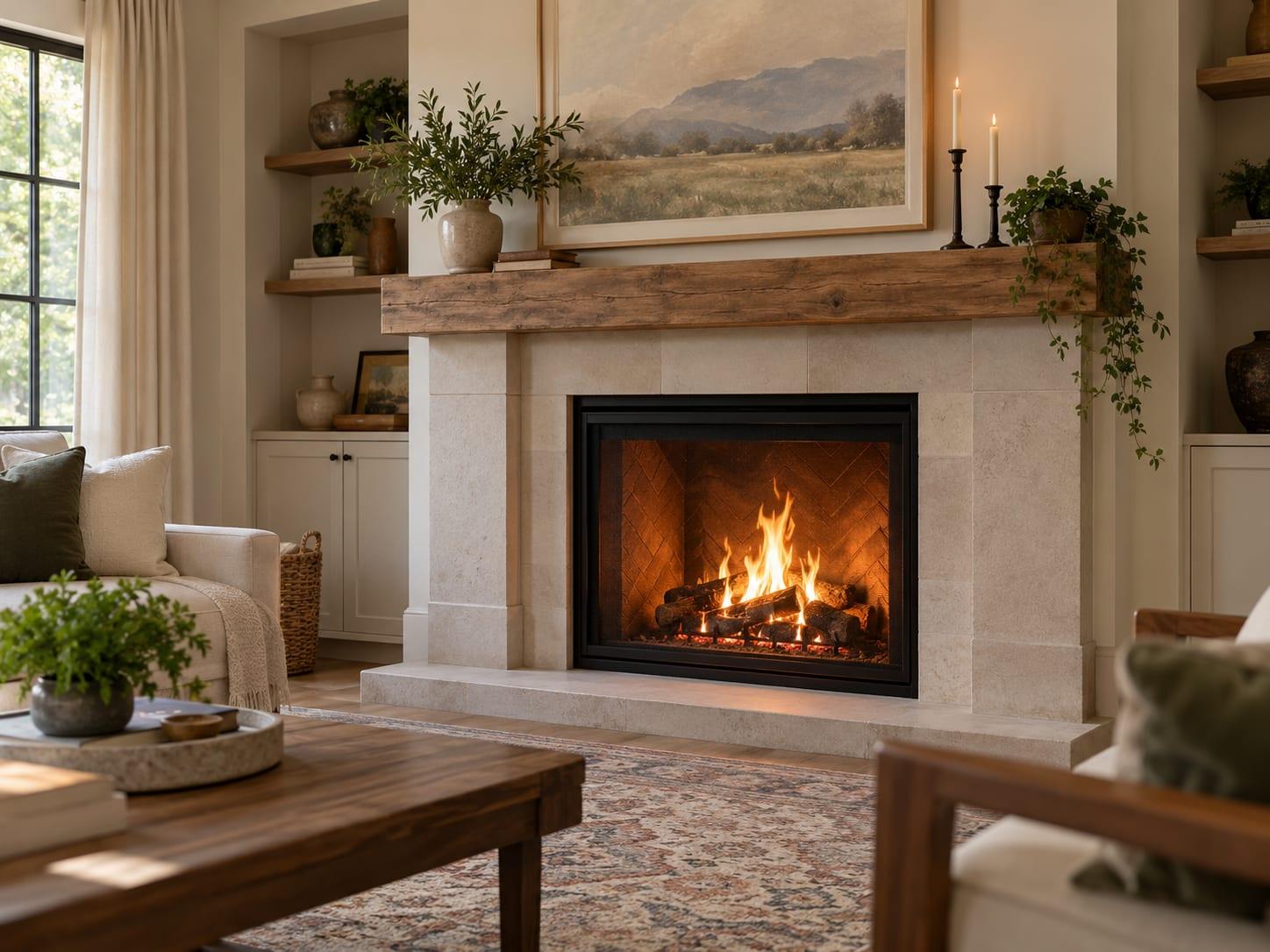
Not everyone wants to haul firewood. Gas fireplace and gas appliance work is offered, so if a gas stove or gas insert fits your home better, we can plan that during the same estimate. A gas unit gives you heat at the flip of a switch and no ash to clean, while wood gives you a real fire and heat without a fuel bill. Our guide to choosing between gas and wood lays out the differences side by side.
Safety and upkeep after installation
Habits that keep a new stove working well
- Burn only dry, seasoned hardwood — wet wood smokes and builds creosote fast.
- Keep furniture, rugs and stacked wood outside the clearances listed for your stove.
- Install and test smoke and carbon monoxide alarms on every level of the home.
- Have the stove and chimney inspected and cleaned at least once a year.
- Dispose of ashes in a metal container with a lid, kept outside and away from the house.
Booking your wood stove installation
Free estimates. Tell us what kind of stove you have in mind, or whether you are still deciding, and where it would go. Same-day visits are available where the schedule allows (never guaranteed), and emergency calls are accepted. We work on all major stove brands, and commercial and property-manager work is offered too. Call or request an estimate to get started.