On this page
What fireplace installation involves
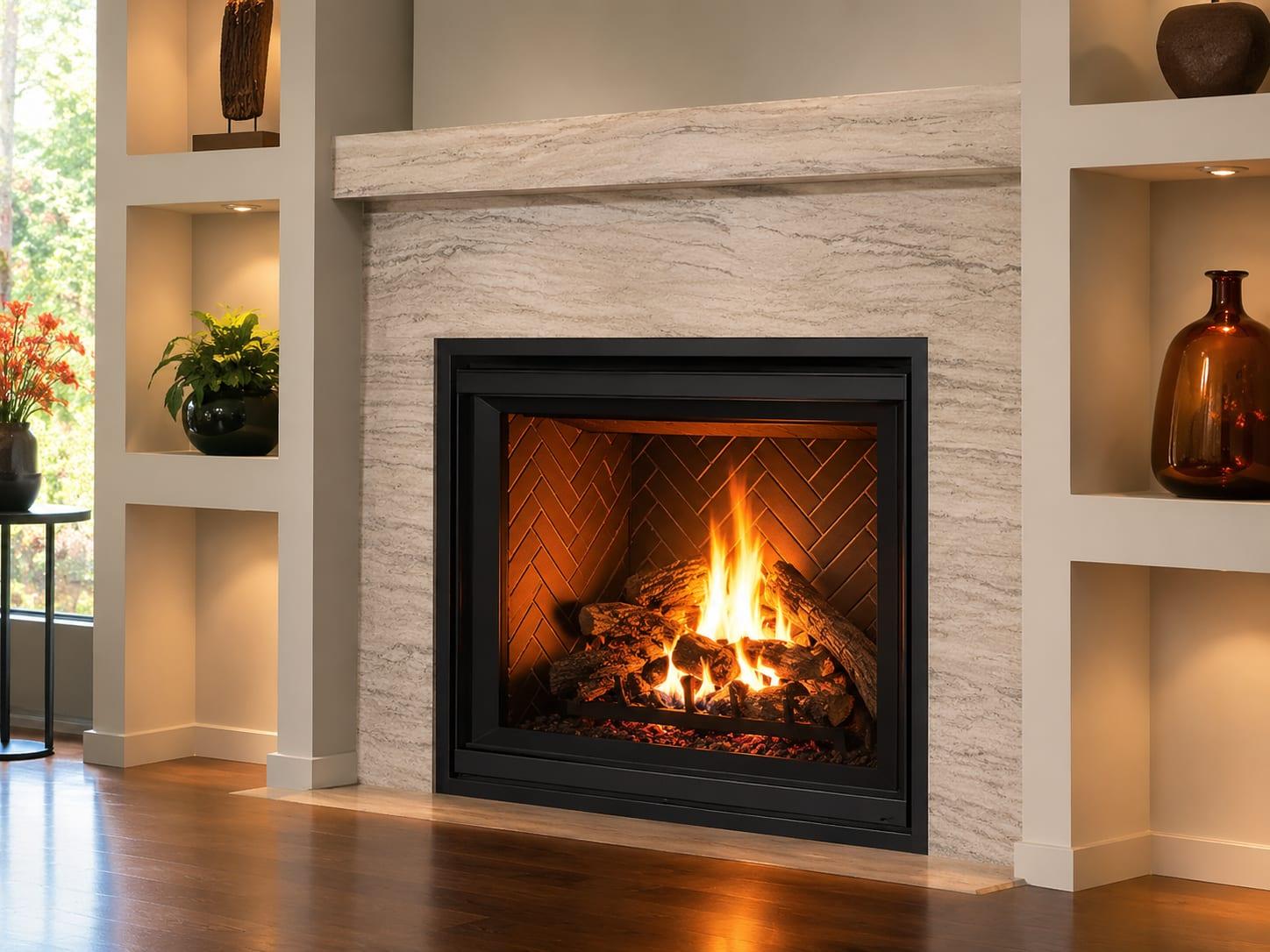
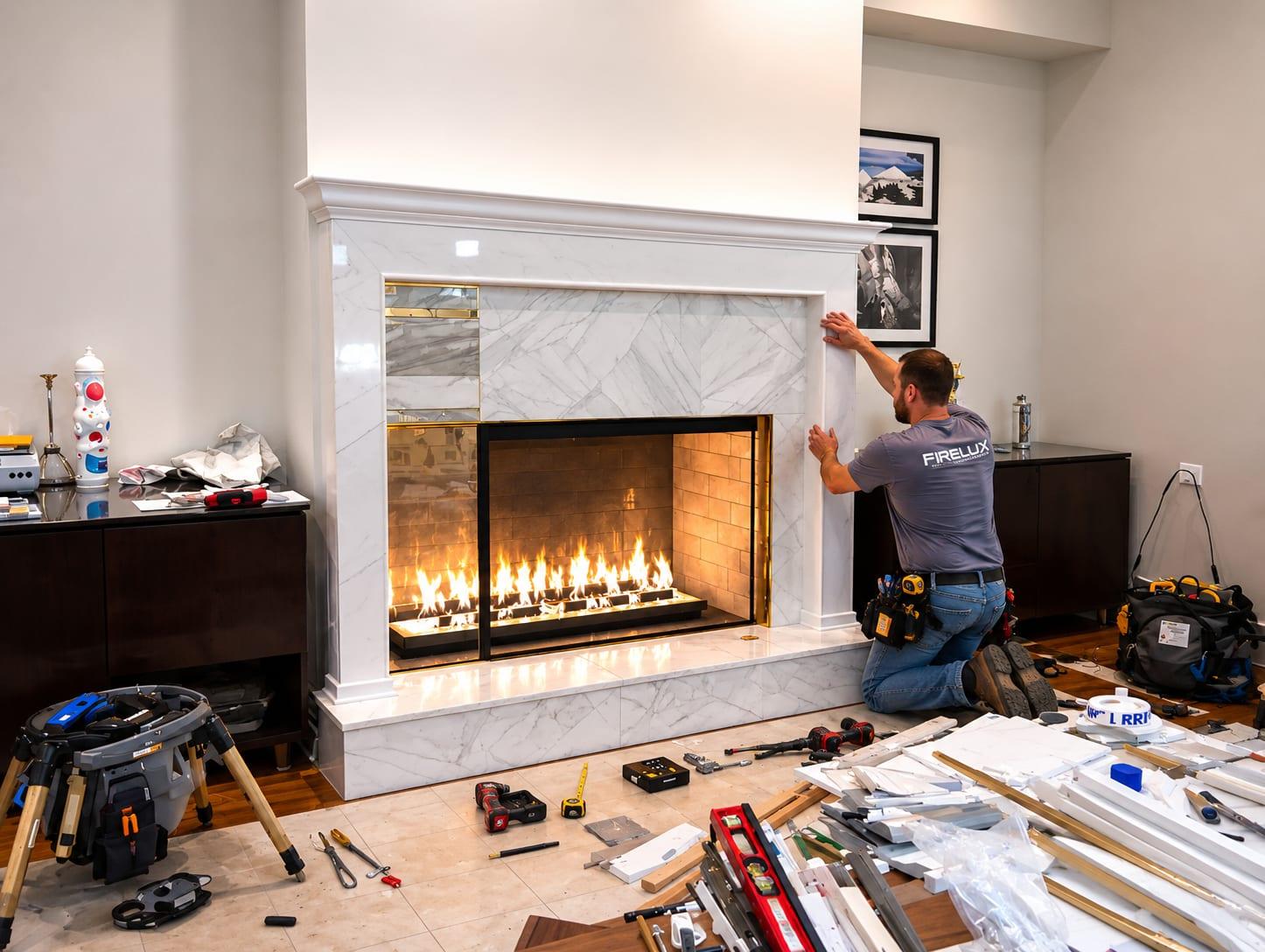
Fireplace installation means fitting a new fireplace, or replacing one that can't be saved. The firebox, the venting and the surrounding structure are matched to each other and to the room. A wood-burning unit needs a correctly sized flue and a hearth that protects the floor. A gas unit adds a gas supply and a vent. A ventless ethanol unit is mostly about wall mounting, clearances and room air.
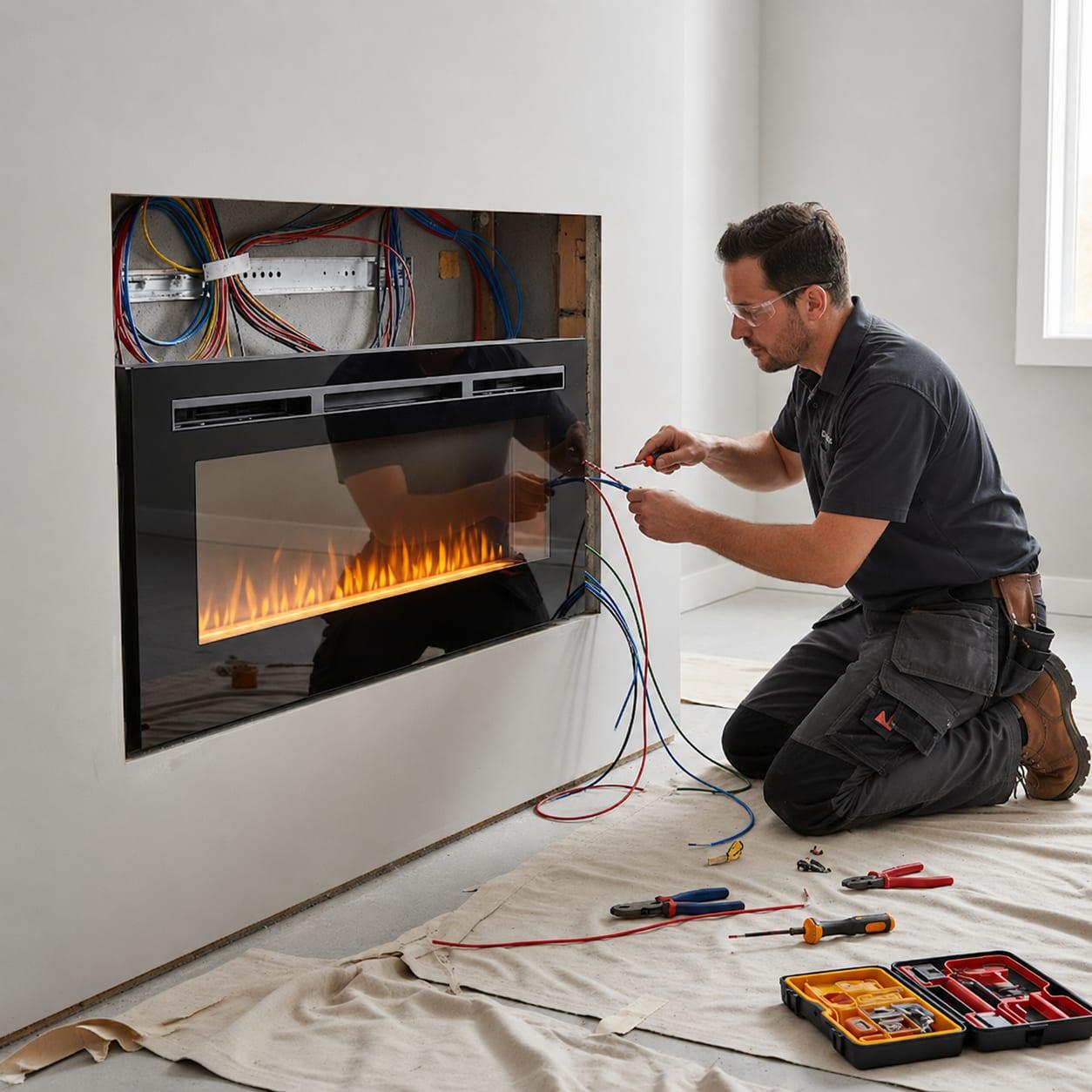
We install masonry and factory-built fireplaces, wood and pellet stoves, gas units, and the newer ethanol, floating and suspended designs. If you have a wall-mounted or built-in electric unit in mind, that is a simpler job handled through our electric fireplace installation service.
Signs a new fireplace is the right project
Installation usually makes sense when:
- The home has no fireplace and you want one in a living area, bedroom or finished basement.
- An existing factory-built fireplace is rusted through or warped, or the model is no longer made and parts can't be found.
- A masonry firebox is damaged badly enough that patching it would only buy a short time.
- You're remodeling and the fireplace needs to move, change size or take a different form, such as a wall-hung or suspended unit.
- You want a stove that heats the room instead of an open fireplace that sends much of its heat up the chimney.
Not every problem calls for a new unit. If the fireplace works but has cracked panels, a sticking damper or broken glass, repair is the better choice. If it smells smoky or the flue has gone a season or more without attention, a cleaning may be all it needs. If you want to keep the opening and burn a different fuel, that's a conversion rather than a new install. If you're buying a home or haven't used a fireplace in years, start with an inspection. And if the fireplace runs fine and you just dislike how it looks, fireplace refacing changes the face without replacing the unit.
How an installation visit goes
From estimate to first fire
Free estimate
We look at the room, the floor and wall structure, any existing chimney, and where a flue or vent could run. You tell us the fuel and the look you want.
Plan the unit and venting
We match the fireplace or stove to a venting route. Then we lay out the hearth and clearances using the manufacturer's installation instructions.
Protect and prepare
We cover floors and furniture. Where the design calls for it, we build framing, a hearth base or a ceiling support.
Install the firebox and flue
We set the unit and run and seal the flue or vent. For gas units, we also connect the gas supply.
Finish the surround
We finish the hearth, surround and trim to suit the room.
Test and walk through
We run a test burn or ignition and check the draft and venting. Then we show you how to operate and care for the fireplace.
Fuel types, venting and materials
| Fuel | Venting | What the install involves |
|---|---|---|
| Wood fireplace (masonry or factory-built) | Chimney with a flue sized to the firebox | Hearth extension, clearances to combustibles, a working damper |
| Wood or pellet stove | Connector pipe into a lined chimney or a listed vent system | Non-combustible hearth pad and wall clearances; pellet stoves also need an electrical outlet |
| Gas | Direct vent through a wall or roof, or a lined existing chimney | Gas supply line, ignition system, sealed glass front on direct vent units |
| Ethanol | No flue | Secure mounting, clearances above and around the burner, adequate room ventilation |
| Electric | No flue | A wall or framed opening and a suitable electrical circuit |
Materials follow the design. Masonry fireboxes use firebrick and refractory mortar, and prefab units use factory refractory panels. Flue liners are stainless steel or clay tile. Most stoves, ethanol burners and suspended fireplaces have steel bodies.
Fireplace flue installation
The flue carries smoke and combustion gases out of the house, and it has to match the appliance. If it's too large, the draft is sluggish and creosote builds faster. If it's too small, smoke spills into the room. We install stainless steel liners in existing chimneys, listed factory-built chimney systems for prefab fireplaces and stoves, and pellet vent pipe for pellet units. If there's no chimney and you want a wood-burning fireplace, building one becomes part of the project through our chimney installation work.
Masonry fireplace installation
A masonry fireplace is built on site from brick or block. It has a firebox lined with firebrick, a damper, a smoke chamber that funnels smoke into the flue, and a hearth in front. It's heavy, so it needs a proper footing, and it's usually built together with its chimney. The result is a fireplace that's part of the house's structure, with brick and a face finish you choose.
Wood and pellet stove installs
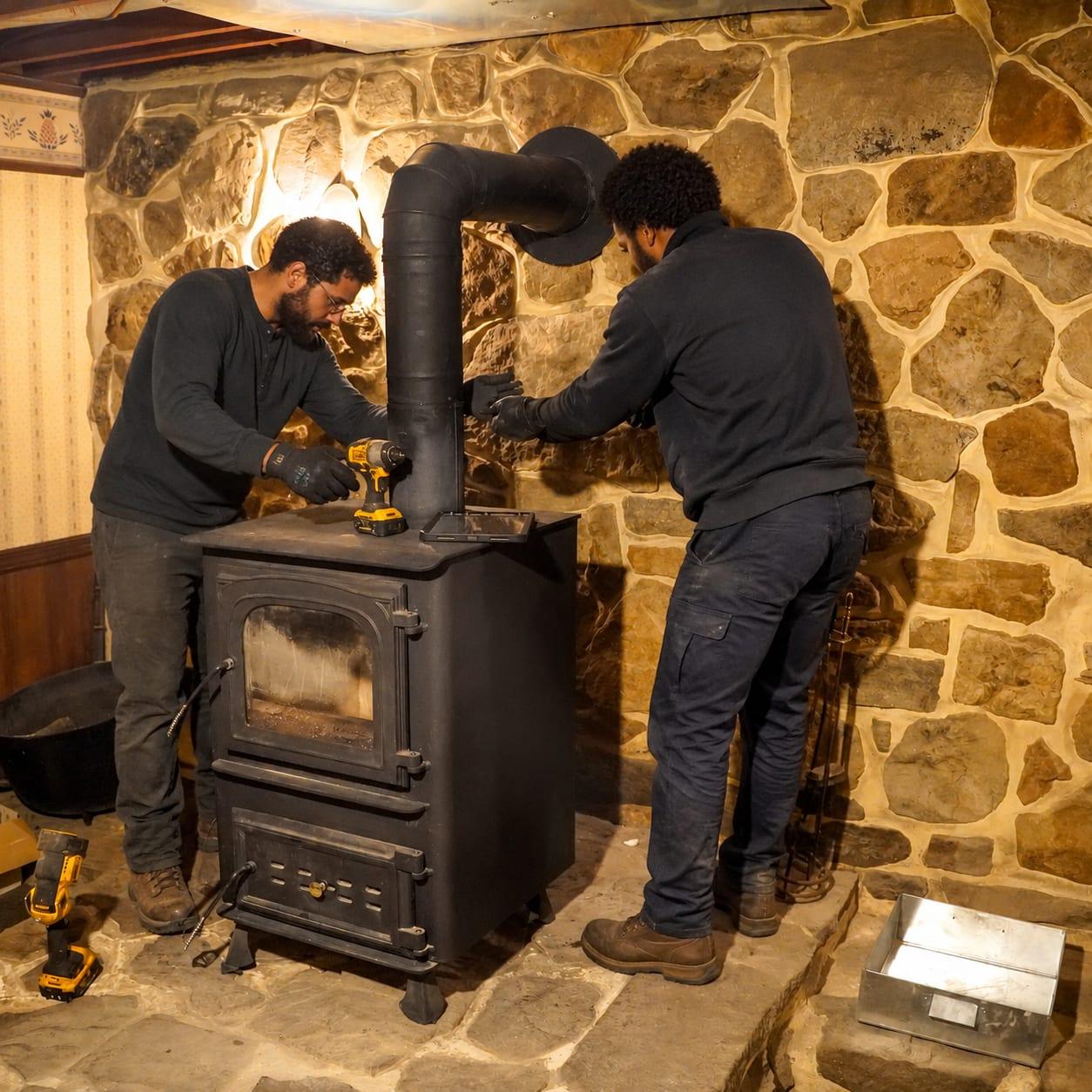
A freestanding stove usually puts more heat into the room than an open fireplace. A good install needs a hearth pad, clearances, connector pipe and chimney that all match the stove's listing. Pellet stoves also need a power supply, and many vent straight through an exterior wall. If you're deciding between a stove and an insert that slides into an existing fireplace, read our guide on free-standing wood stove vs fireplace insert before the estimate.
Specialty fireplaces we install and repair
Ethanol fireplace repair and installation
Ethanol fireplaces burn liquid bioethanol and need no chimney. That makes them an option for condos and rooms where a flue can't run. Installation comes down to secure mounting, whether wall-hung, built-in or freestanding, and keeping the clearances the maker specifies above and around the burner. On the repair side, we fix burners that won't light, lids or closers that stick, leaking fuel reservoirs and damaged glass guards.
Refueling an ethanol burner
Never add fuel to a burner that is lit or still warm. Let it cool completely, fill only to the marked level, and wipe up any spills before lighting.
Floating fireplace installation and repair
A floating fireplace is mounted so it appears to hover. It is either cantilevered off a wall or set on a hidden bracket with open space below. The work is mostly structural. The wall framing or masonry has to carry the unit's weight, and on wood or gas models the venting has to run hidden behind it. We install these from scratch and repair existing ones, including loose mounts, worn door gaskets and venting problems.
Hanging and suspended fireplace installation
Hanging fireplaces drop from the ceiling, often in a rounded or rotating design, and can sit in the middle of a room instead of against a wall. In many designs the flue doubles as the support. That means the ceiling and roof framing must carry the weight, and the flue route through the attic and roof has to be clear. We check that structure at the estimate before recommending a suspended model.
Open flame fireplace repair and installation
An open flame fireplace is the traditional kind: no glass front, a damper above the firebox and a hearth in front to catch embers. How well it draws depends on three things: the size of the firebox opening relative to the flue, the shape of the smoke chamber, and the chimney height. We build open fireplaces and repair ones that smoke into the room, have cracked firebrick or have a damper that no longer seals. If heat matters more to you than the look of an open fire, a stove may suit you better.
Living with a new fireplace
Safety and upkeep
Keep working smoke and carbon monoxide alarms on the same floor as any fireplace that burns fuel. Keep furniture, rugs and decorations outside the clearances in the manufacturer's instructions. Wood-burning fireplaces and stoves need sweeping as creosote builds up. A yearly inspection is a sensible habit for any fuel-burning fireplace.
Booking a fireplace installation
Estimates are free, so the first step is a visit to look at the room and talk through your options. Same-day visits are available where the schedule allows, but they're never guaranteed. We work on all major brands. Gas fireplace and gas appliance work is offered, and so is commercial and property-manager work.
Across Greater Atlanta, we also provide fireplace installation in Smyrna, fireplace installation for homes in Alpharetta and fireplace installation.
Call or request an estimate to get started.
Related work covered on this page
- Ethanol Fireplace Repair and Installation
- Floating Fireplace Installation and repair
- Hanging & Suspended Fireplace Installation
- Open Flame Fireplace Repair and Installation