On this page
What chimney liner installation involves
A chimney liner is the channel inside the chimney that carries smoke and combustion gases from the appliance up and out of the house. In most older masonry chimneys it is a stack of clay tiles. In newer installs or relined chimneys it is usually a stainless steel pipe. Chimney liner installation means fitting a new, continuous liner from the appliance connection to the top of the chimney, sized to match what will be burning below it.
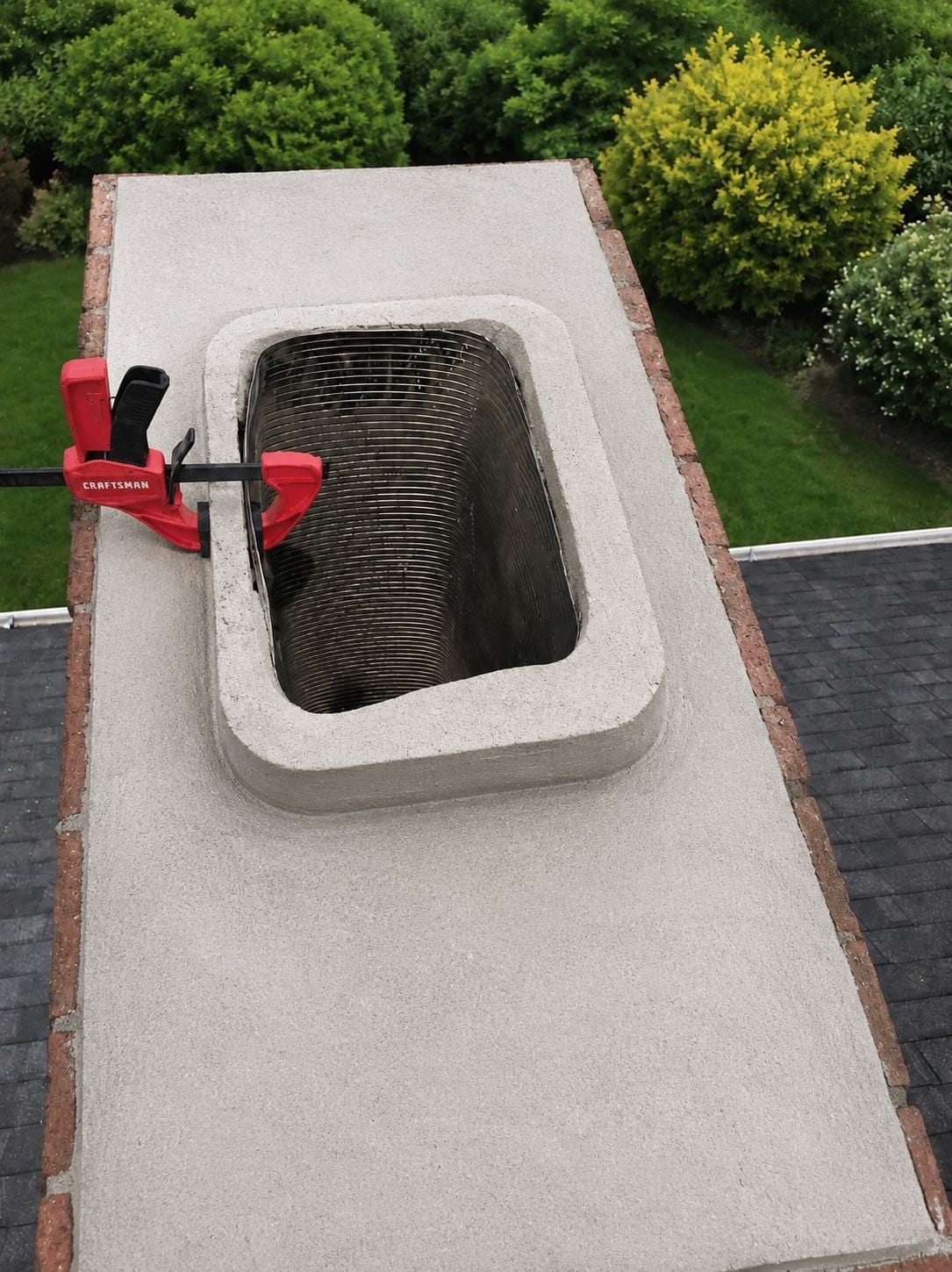
The job is more than dropping a pipe down the flue. The liner has to be the right diameter for the appliance, run in one sealed path without gaps, connect properly at the bottom, and be secured and capped at the top. If you want the background on why the liner matters at all, read why every chimney needs a liner.
Signs your chimney needs a new liner
Many liner problems can't be seen from the fireplace opening, which is why a camera inspection usually comes first. These are the situations that most often lead to a new liner:
Common reasons to reline a chimney
- Cracked, shifted or missing tiles found during an inspection
- Gaps or eroded mortar between flue tiles
- A chimney fire, which can crack tiles even when the outside of the chimney looks fine
- Pieces of tile or flaky debris falling into the firebox
- Switching to a wood stove, fireplace insert or gas appliance that needs a different flue size
- An unlined masonry chimney
- Persistent draft problems or smoke coming back into the room that trace to the flue size or condition
If the existing liner is in decent shape overall and only a section is damaged, chimney liner repair may be the better fit; an inspection shows which job the chimney actually needs. For a closer look at the warning signs, see our guide to when a chimney liner needs replacement.
What the visit involves, step by step
How a liner installation usually goes
Inspect the flue
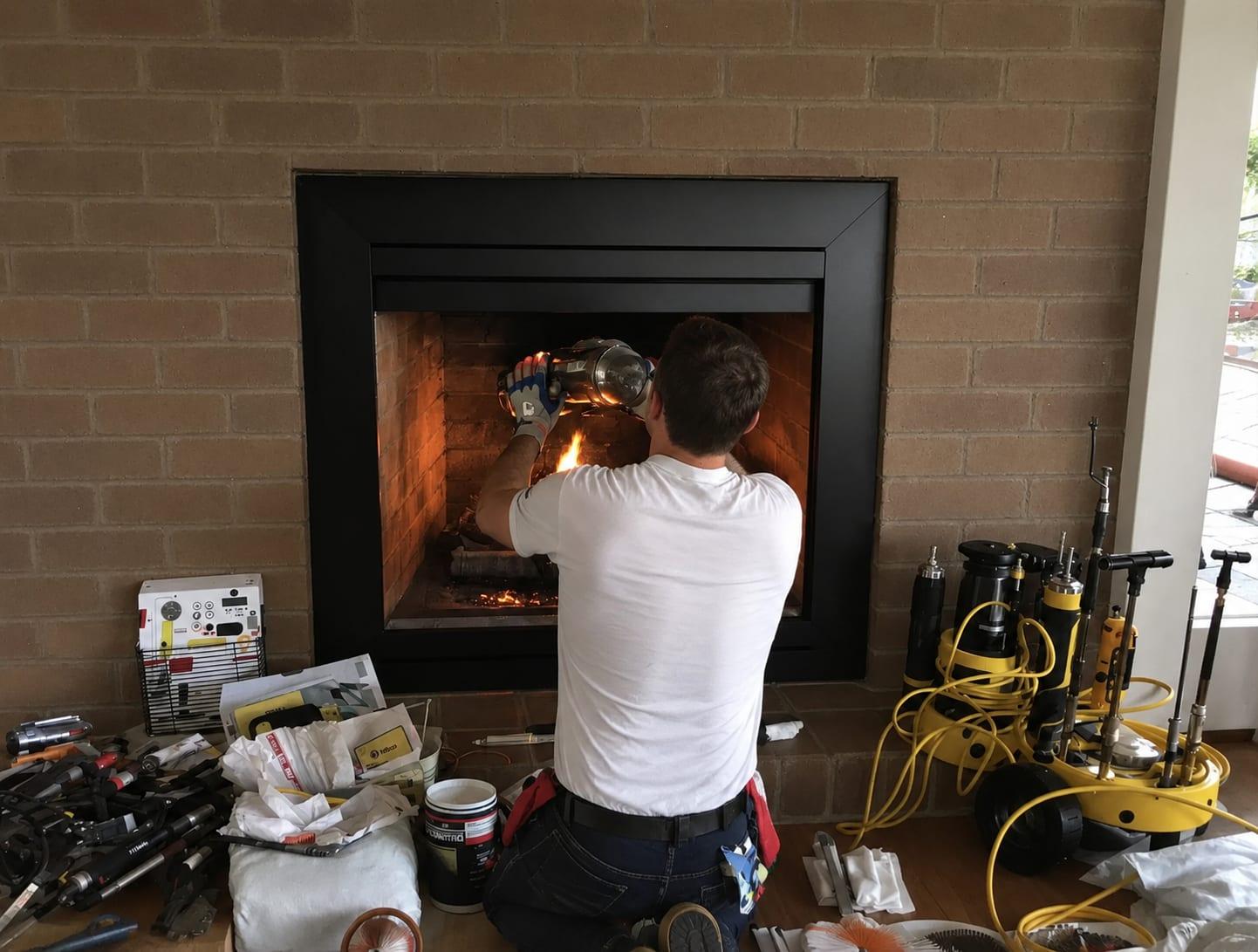
We look at the chimney from top and bottom and run a camera through the flue to see the condition of the existing tiles, joints and smoke chamber.
Confirm the appliance and measure
We note what will vent through the chimney — open fireplace, wood stove, insert or gas appliance — and measure the flue height and inside dimensions so the liner is sized to that appliance.
Give you a free estimate
You get a clear explanation of what we found and what we recommend before any work is scheduled.
Clean and prepare the flue
The chimney is swept so creosote and debris don't stay trapped behind the new liner. Broken tile pieces that would block the run are cleared.
Install the liner
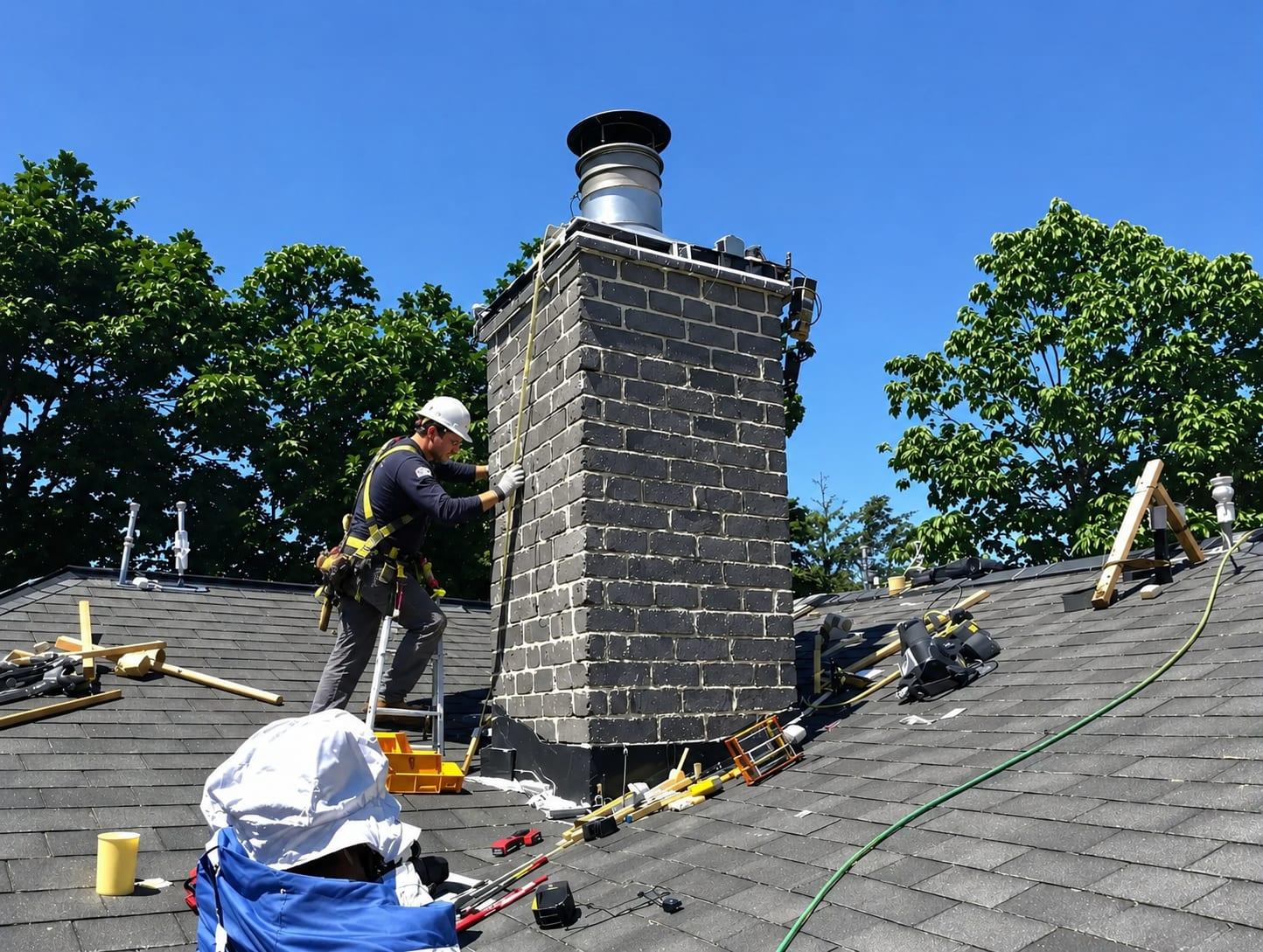
The liner is lowered from the top, connected at the bottom to the appliance or a fitting at the smoke chamber, and insulated where the installation calls for it.
Seal and cap the top
A top plate seals the space between the liner and the old flue, and a cap goes on to keep out rain, debris and animals.
Check the draft
We test that smoke and gases move up the new liner the way they should before we leave.
Liner materials and fuel types
The right liner depends on what you burn and the shape of the chimney. The main pieces of a typical installation are the liner itself, the bottom connector or tee, insulation where needed, the top plate and the cap.
Stainless steel chimney liner installation
A stainless steel chimney liner is the most common way to reline an existing chimney. Rigid stainless pipe suits straight runs, while flexible stainless liner can follow offsets and bends inside the flue. Stainless holds up to the heat of wood burning and the acidic moisture produced by gas appliances, and it can be sized precisely to the appliance outlet. It can also be paired with metal chimney installation where a new metal chimney system is part of the plan.
Brick chimney liner installation
Brick chimneys were most often built with clay tile flue liners. When those tiles crack or separate, a stainless liner run down through the old tiles is a common fix. The masonry stays in place, and the new liner becomes the working flue. If the brickwork itself is failing, the masonry may need attention before or alongside the liner, which we cover during the estimate.
Wood stove chimney liner installation
Wood stoves and wood-burning inserts generally vent best through a dedicated liner that matches the stove's flue outlet. Running a small stove into a large, old fireplace flue tends to cool the smoke, which can weaken the draft and build up creosote faster. A liner connected directly to the stove keeps the exhaust moving and gives the chimney a smooth surface that is easier to sweep.
Gas furnace and gas appliance liners
Gas appliances produce cooler exhaust with a lot of water vapor. In an oversized or deteriorating masonry flue, that moisture can condense and wear away mortar and tile. A properly sized liner helps carry those gases out. We handle gas fireplace and gas appliance work, so the liner and the appliance connection can be looked at together.
Safety and maintenance
Why a damaged liner is a safety problem
Cracks and gaps in a flue liner can let heat reach wood framing around the chimney and let smoke or carbon monoxide leak into the house. If you see tile pieces in the firebox, smell smoke in other rooms, or have had a chimney fire, stop using the fireplace or stove until the flue has been inspected.
Chimney liner maintenance
A new liner still needs routine care. Wood-burning liners collect creosote and should be swept and inspected on a regular schedule based on how much you burn. Gas liners need periodic checks for blockages and corrosion. Keeping a cap on top limits rain and debris, and adding a chimney animal screen helps keep birds and other animals out of the new flue. The benefits of chimney caps and dampers go further than many homeowners expect.
Booking a liner installation
Call or request an estimate, tell us what you burn and what you've noticed, and we'll set up a visit to inspect the flue. Same-day visits are available where the schedule allows, though we can't promise one, and emergency calls are accepted. We work on all major fireplace and stove brands, and we also take on commercial and property-manager jobs.
Free estimates.
Get in touch to have your chimney flue checked and a new liner sized to your fireplace, stove or gas appliance.