On this page
What a level 3 Chimney inspection is
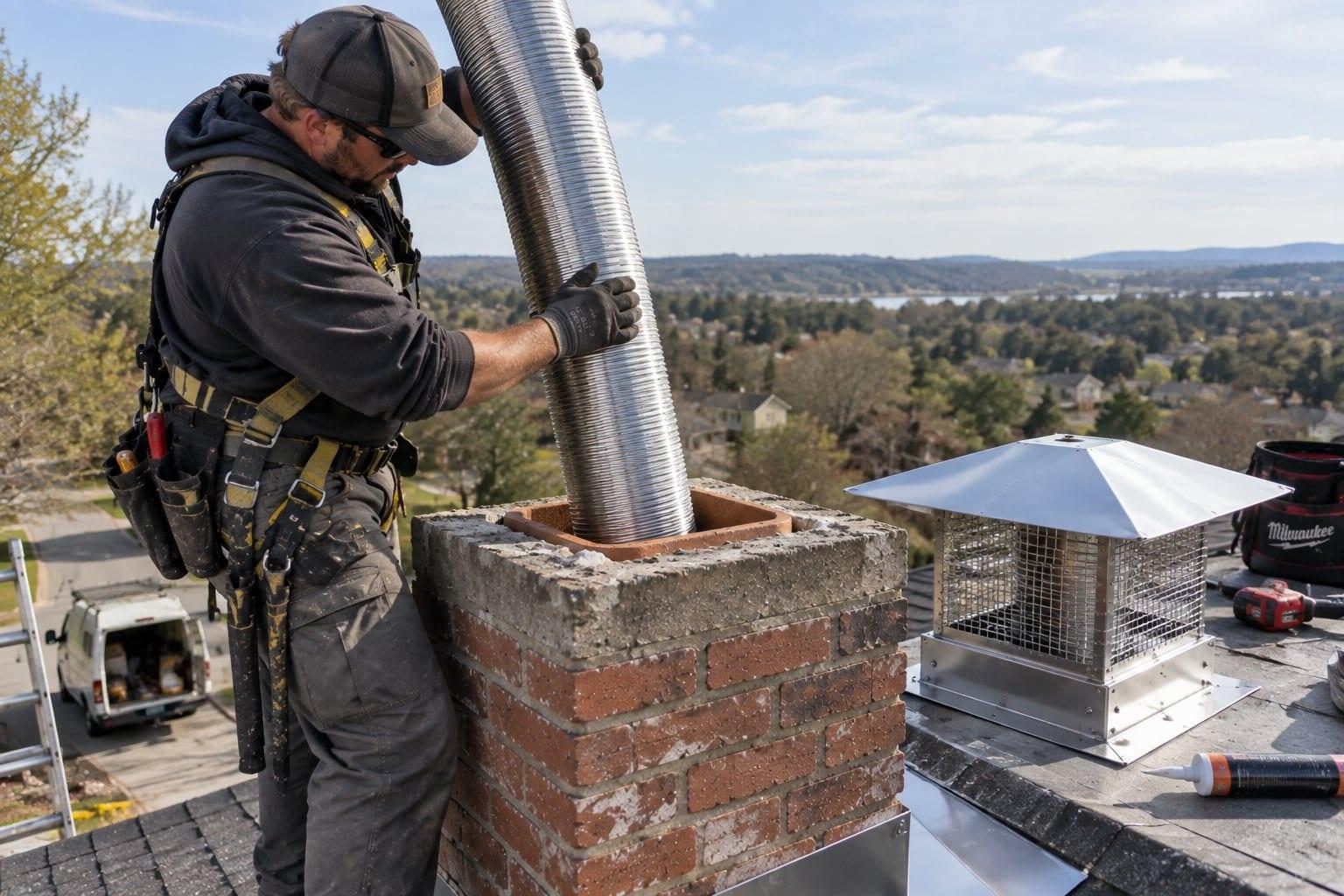
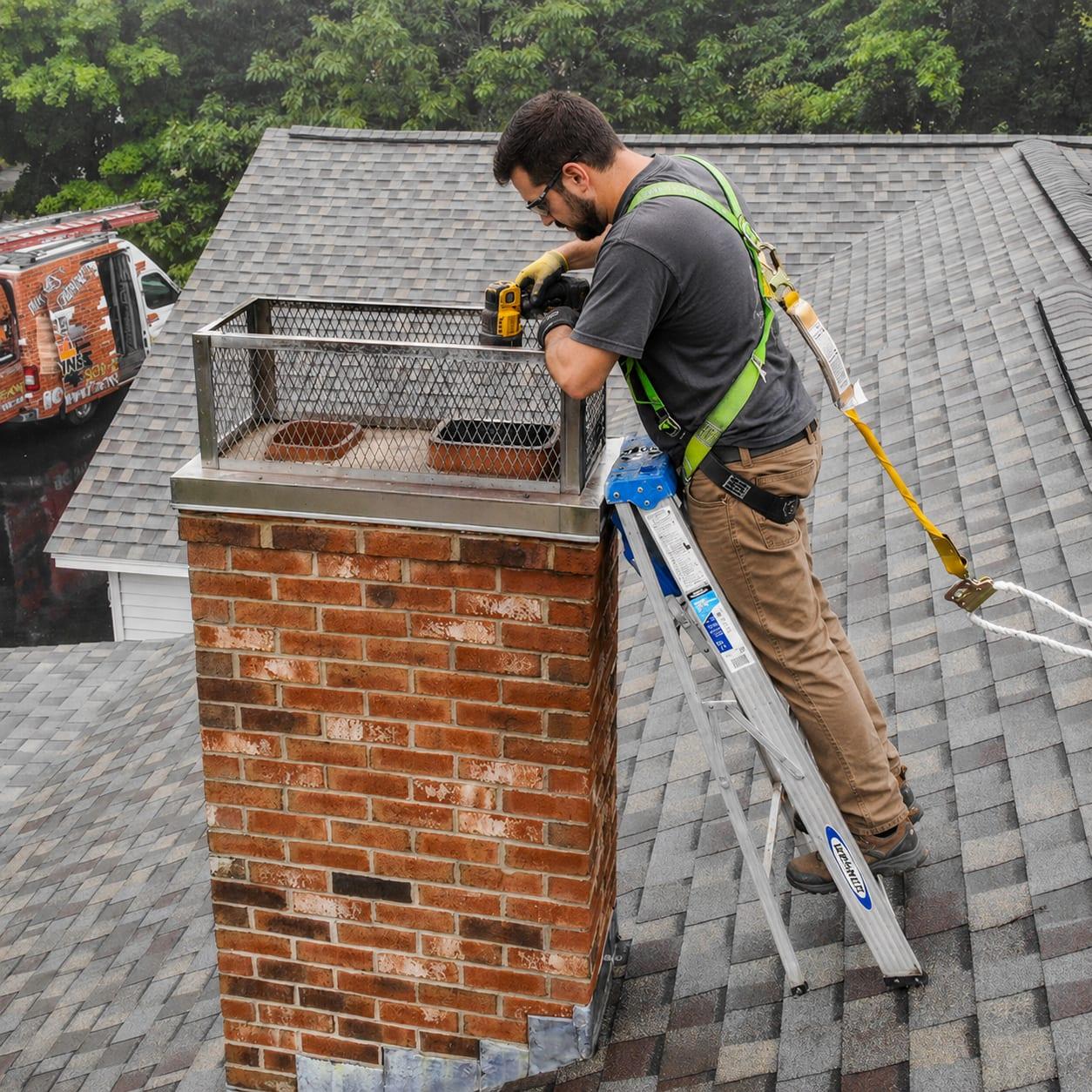
Under the Chimney Safety Institute of America's standard of practice, a Level 3 is the most thorough inspection tier. It includes everything in Levels 1 and 2, plus the removal of specific building or chimney components to reach concealed areas. That might mean taking off a section of the crown, opening an interior wall beside the chimney, or removing chase panels on a prefab system. It is recommended only when a serious hazard is suspected and cannot be properly evaluated without that access.
How to prepare
- Let the fireplace or stove cool completely — ideally no fire for 24 hours before the visit.
- Make sure the technician can reach the roof or attic access if it's needed.
- Write down what you've noticed and when it happens — smells, smoke, sounds or stains.
- Move rugs, photos and anything fragile away from the work area.
Carbon monoxide
A blocked or damaged flue can push carbon monoxide into the home. If an alarm sounds or anyone feels dizzy or sick near the fireplace, get everyone outside and call 911.
What the technician checks
- Flashing
- Flue and liner
- Damper
- Firebox
- Crown and cap
When a level 2 inspection applies first
A Level 3 almost always follows a Level 2. Under the CSIA standard of practice, a Level 2 includes a video scan of the flue and is recommended when a property is sold or transferred, after a chimney fire, and after a weather or seismic event. These are industry recommendations, not a building code or legal requirement. The Level 2 findings are what tell us whether opening anything is justified. If you haven't had one yet, start with how a level 2 chimney inspection works.
Signs that Point toward a level 3
- A camera scan shows liner damage that suggests heat may have reached framing behind the masonry
- Scorch marks, discoloration or warping on walls or ceilings near the chimney after a chimney fire
- Water damage inside walls next to the chimney that can't be traced from the outside
- Structural movement, such as a chimney pulling away from the house, where the cause is hidden
Many problems never need this step. A standard chimney inspection or a fireplace inspection resolves most concerns without removing anything.
What the visit involves, step by step
How a Level 3 is handled
Review the earlier findings
We go over the Level 2 results and explain exactly what we suspect and why.
Agree on what gets opened
You approve the specific components to be removed before any work starts.
Protect the area
Floors and furnishings near the work area are covered.
Open and document
The agreed components are removed, and the concealed areas are examined and photographed.
Findings and next steps
We explain what we found. Estimates for repairs and for restoring the opened areas are free.
Safety and maintenance context
When a Level 3 is on the table, the suspected problem is serious enough that the fireplace should stay out of use until it is resolved. Heat reaching hidden framing is a fire risk, and water trapped in masonry keeps causing damage. Our guide to chimney cleaning and safety covers the routine care that prevents many of these problems, and the advantages of waterproofing a chimney are worth reviewing once repairs are done.
Booking a level 3 inspection
Estimates are free, and emergency calls are accepted. Same-day visits are available when the schedule allows, though never guaranteed. We inspect wood-burning and gas systems across all major brands and take on commercial and property-manager work.