The problem in plain words
When a chimney smells like smoke after cleaning, the sweep has usually done its job; the smell is coming from somewhere a brush cannot fix. Masonry and old deposits hold odor, and if air is moving down the chimney instead of up, it carries that smell into your living space. A faint smell for a day or two after a sweep can happen as dust settles. A strong or lasting smell is worth tracking down.
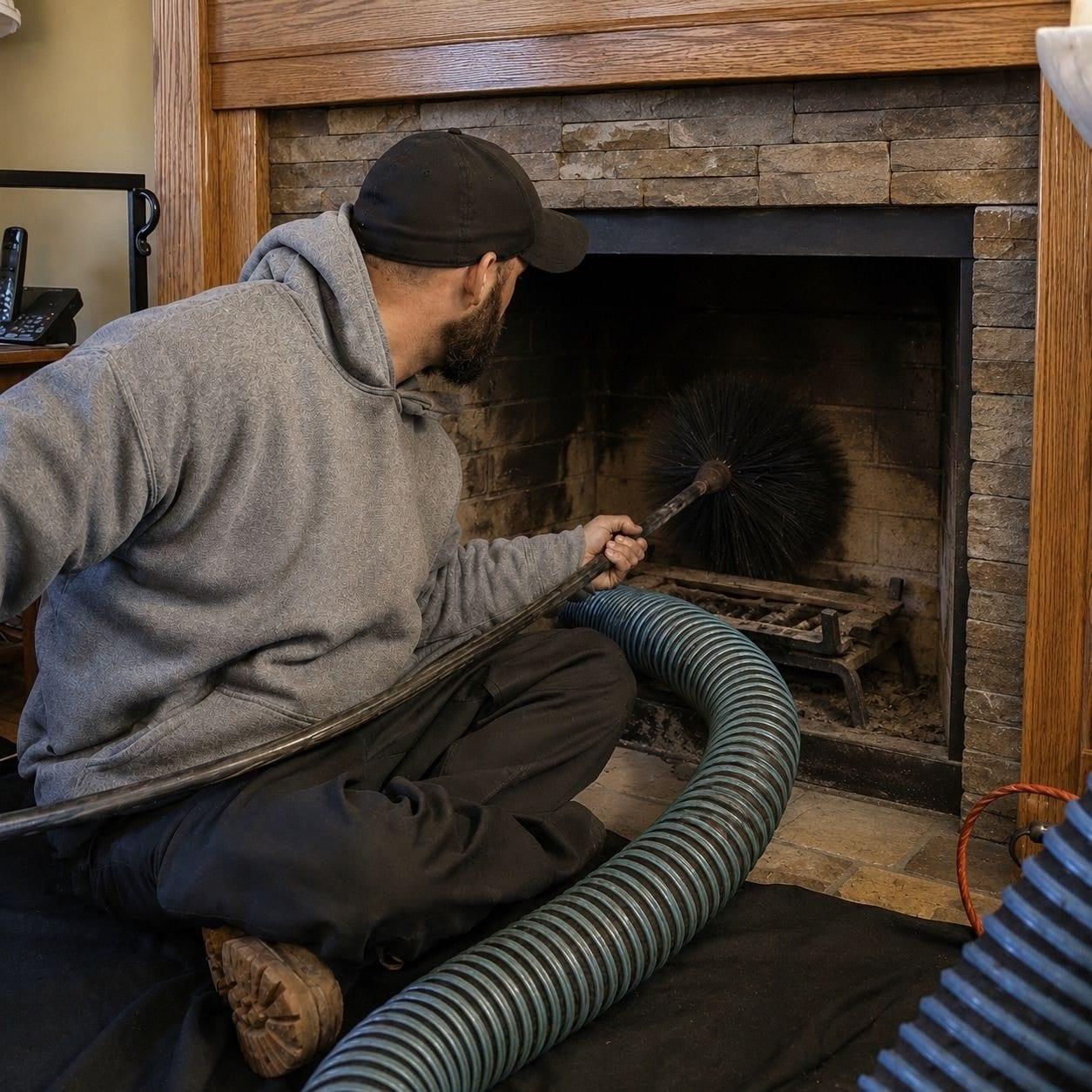
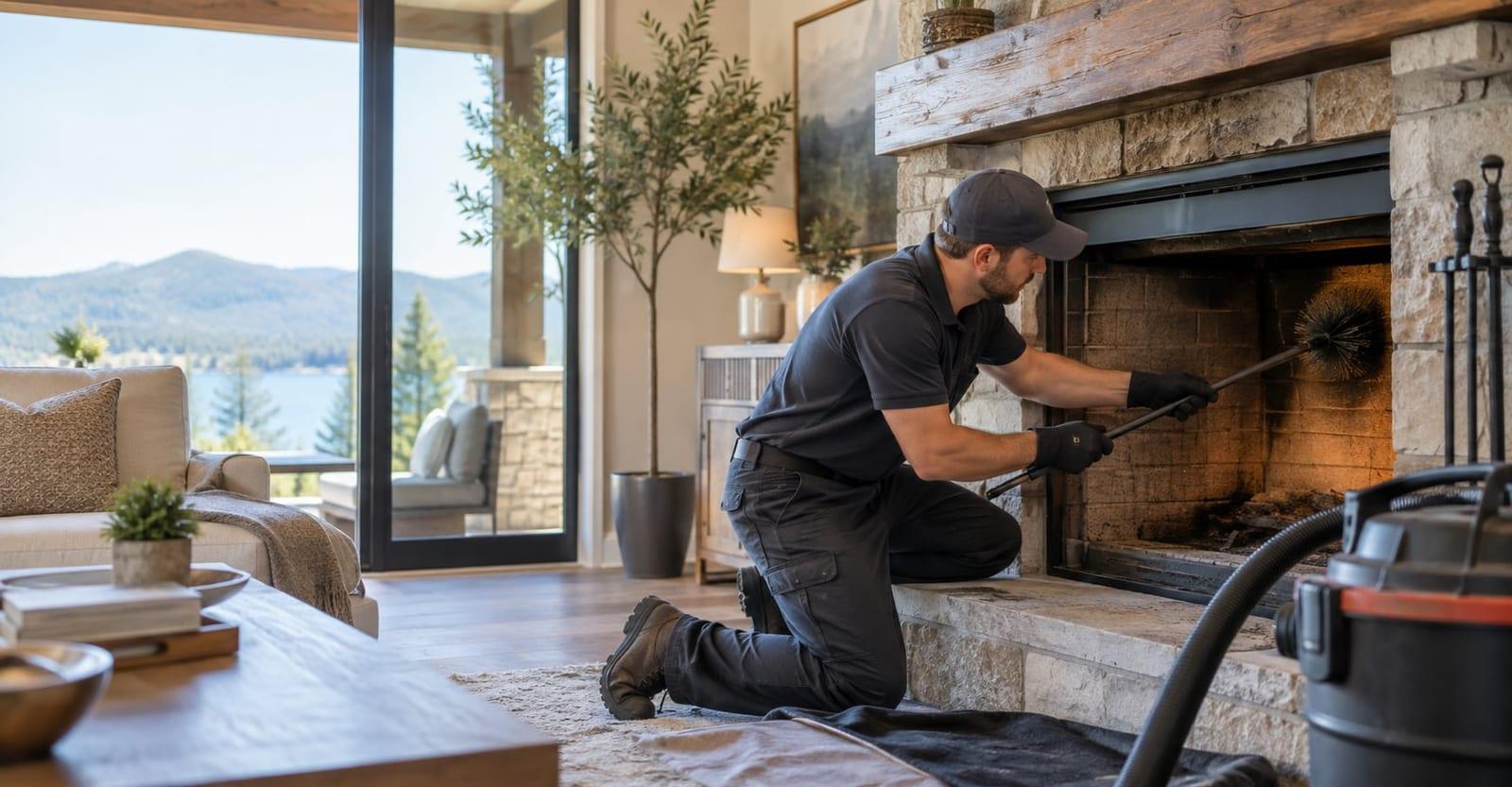
How the visit works
Buildup narrows the flue, so smoke drafts poorly and can spill into the room. Debris and nests can block the flue completely and trap carbon monoxide.
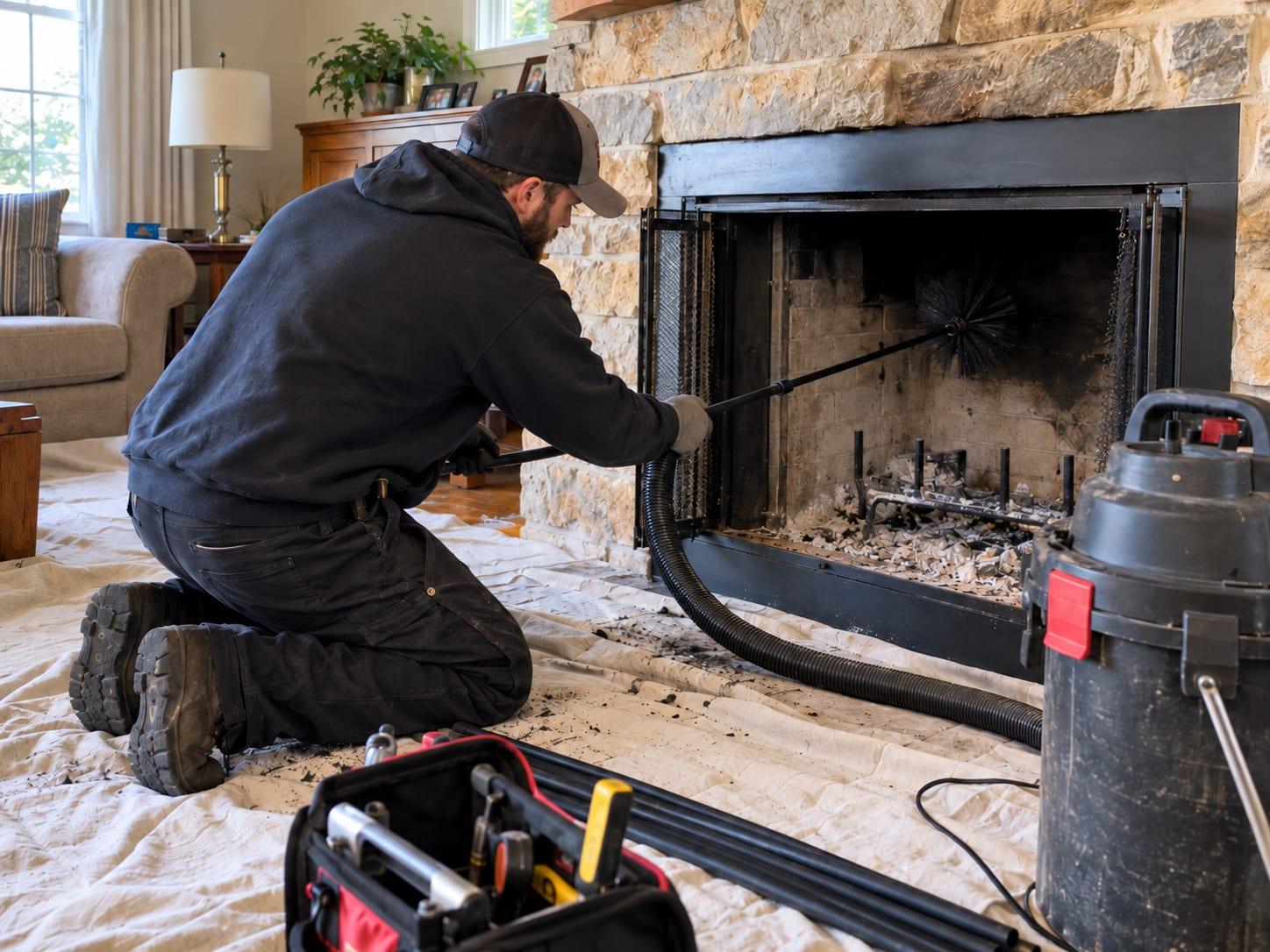
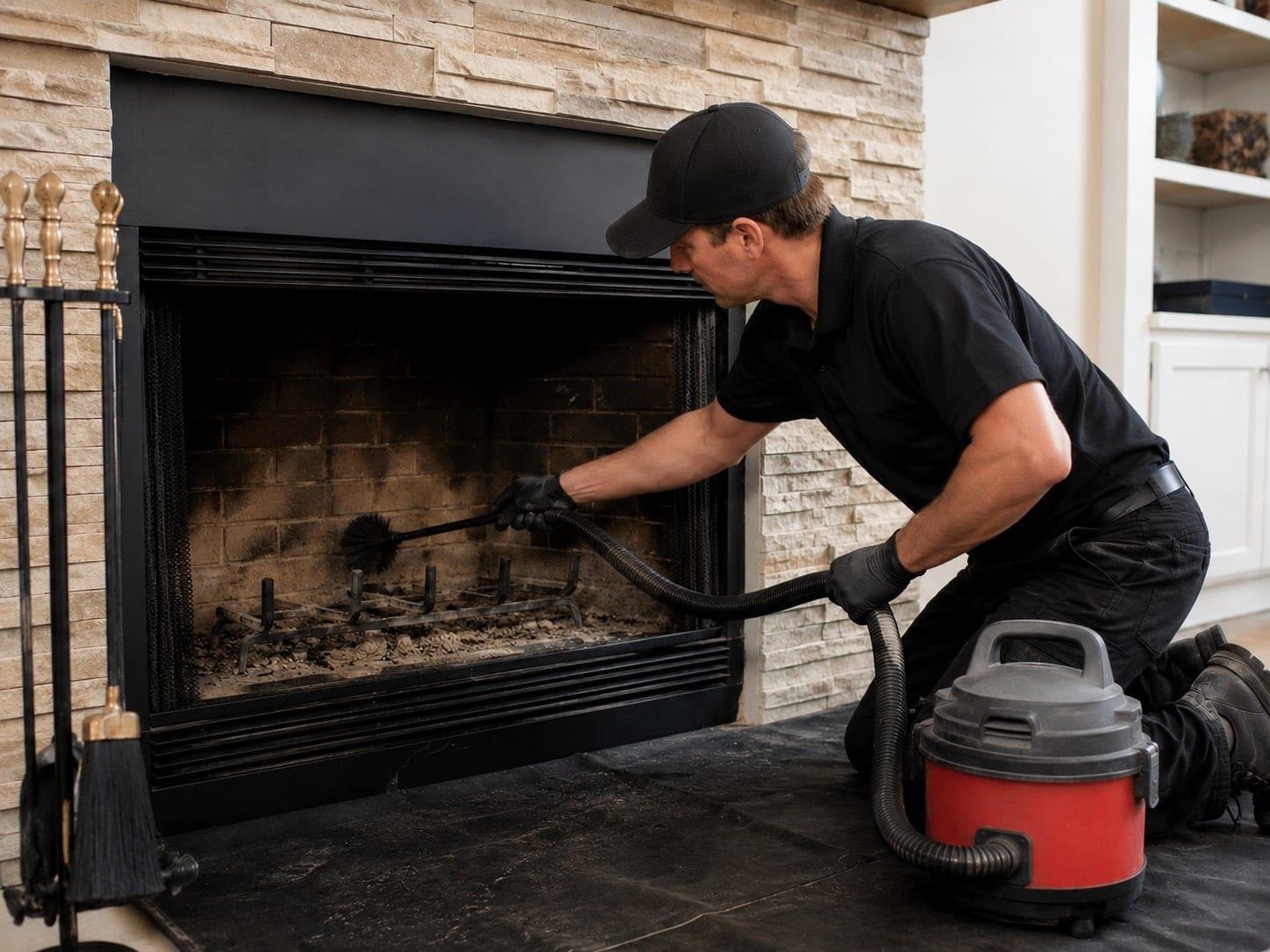
Set up
The hearth area is covered and a vacuum keeps dust under control while the flue is open.
Check the system
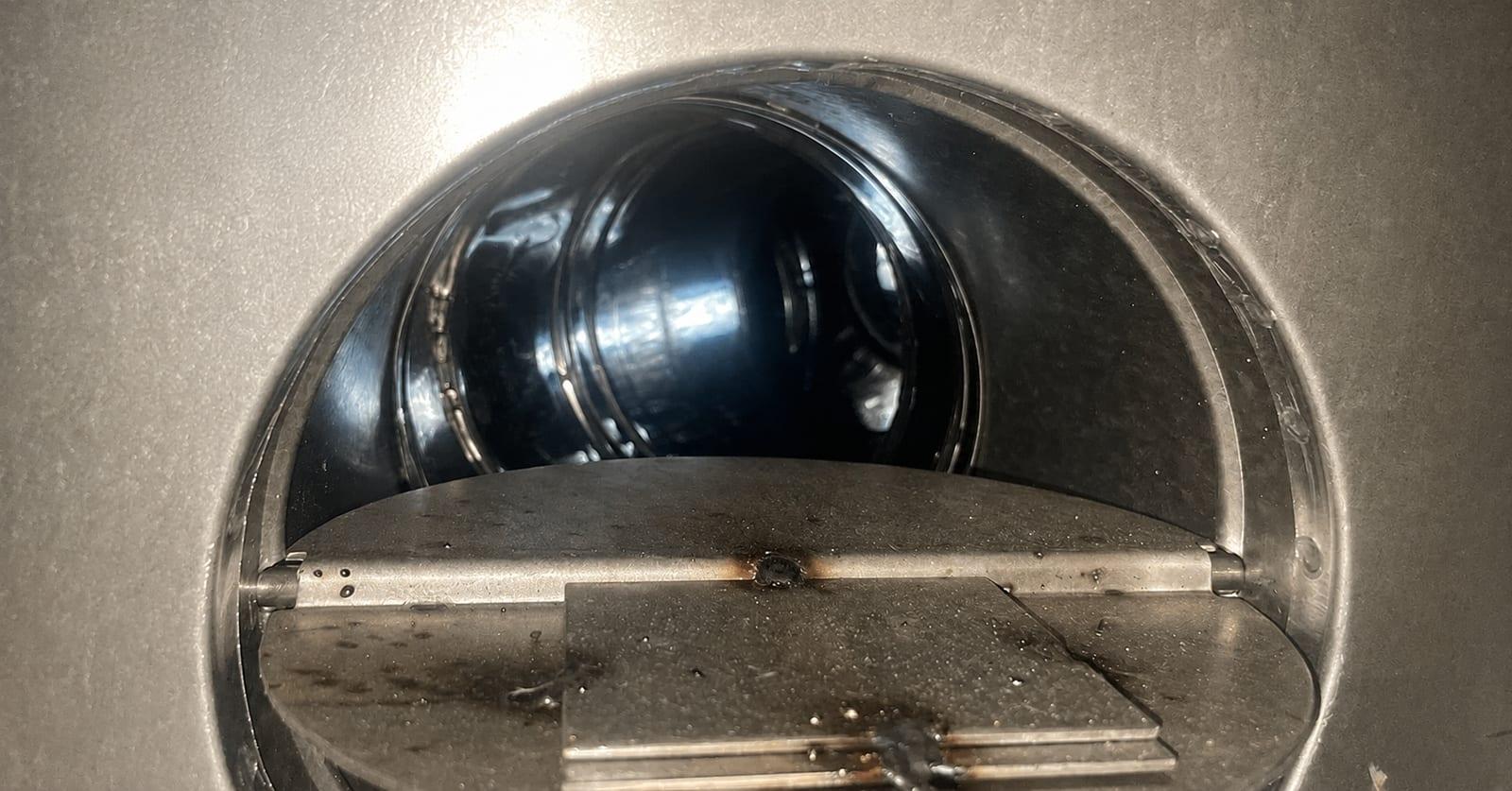
The damper, firebox walls and the visible flue liner are looked at before any brushing.
Clear the deposits
Soot and creosote are removed from the liner, smoke shelf and smoke chamber.
Finish and report
The area is cleaned up and you get a plain summary of the chimney's condition.
What gets checked
- Draft — how readily smoke moves up the flue
- Damper opening, closing and seal
- Smoke shelf and smoke chamber
- Cap and screen condition, where it can be seen safely
- Signs of animals or nesting material
- Firebox brick or panels and mortar joints
- Creosote level and type in the flue
If smoke comes into the room
Stop adding fuel, open a window and don't relight the fire until the chimney has been checked. If the smoke is heavy, an alarm sounds or you suspect a chimney fire, get everyone outside and call 911.
The common signs
- The smell is strongest on humid or rainy days
- It gets worse when the kitchen fan, bath fan or dryer is running
- You notice it near the hearth even when no fire has burned in weeks
- Cold air or a draft comes from the fireplace with the damper closed
- Dark stains or damp spots appear inside the firebox after rain
Possible causes
An inspection is what confirms the source. Common causes include:
- A damper that is warped, rusted or misaligned and no longer closes tightly
- Glazed, tar-like creosote that standard brushing does not fully remove
- Water entering through a missing cap, cracked crown or failed flashing and wetting the deposits
- Negative air pressure in the house pulling air down the flue
- Residue built up in the smoke chamber above the damper
- Debris or an old nest holding odor partway up the flue
How urgent it is
An odor alone, with no fire burning, is usually a comfort problem rather than an emergency. Stop using the fireplace if smoke spills into the room while a fire is burning, if you see water or crumbling masonry in the firebox or if a smoke alarm. If a carbon monoxide alarm sounds, get everyone outside and call 911. A smell of gas is not a chimney odor: leave the house and call the gas utility or 911 from outside. Emergency calls are accepted.
What normally fixes it
Because a leaky damper is the most common reason chimney air reaches the room, chimney damper repair often solves the smell outright, whether by repairing the existing damper or fitting one that seals. If glazed creosote is the source, a follow-up chimney sweep focused on hardened deposits may be needed. When water is the trigger, repairs to the chimney's cap, crown or flashing stop it from soaking the residue, and chimney waterproofing benefits are worth understanding too.
What not to do
- Do not spray household cleaners or air fresheners up the flue; many are flammable
- Do not burn scented candles or potpourri in the firebox to mask the smell
- Do not ignore a smell that appears with water stains; moisture damage gets worse with time
Visible staining on brick or walls may be a sign of chimney smoke damage rather than odor alone.