On this page
What chimney repair covers
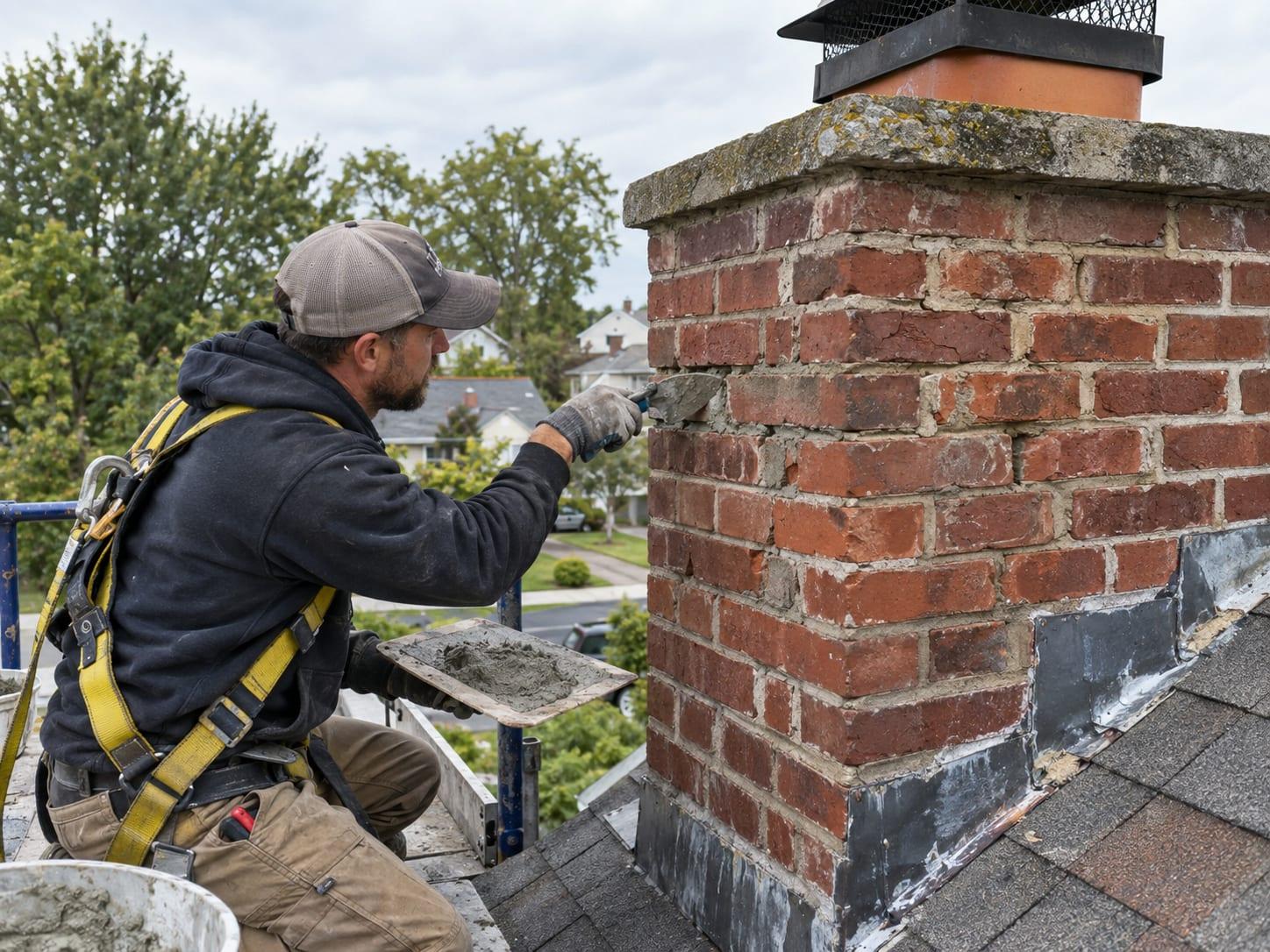
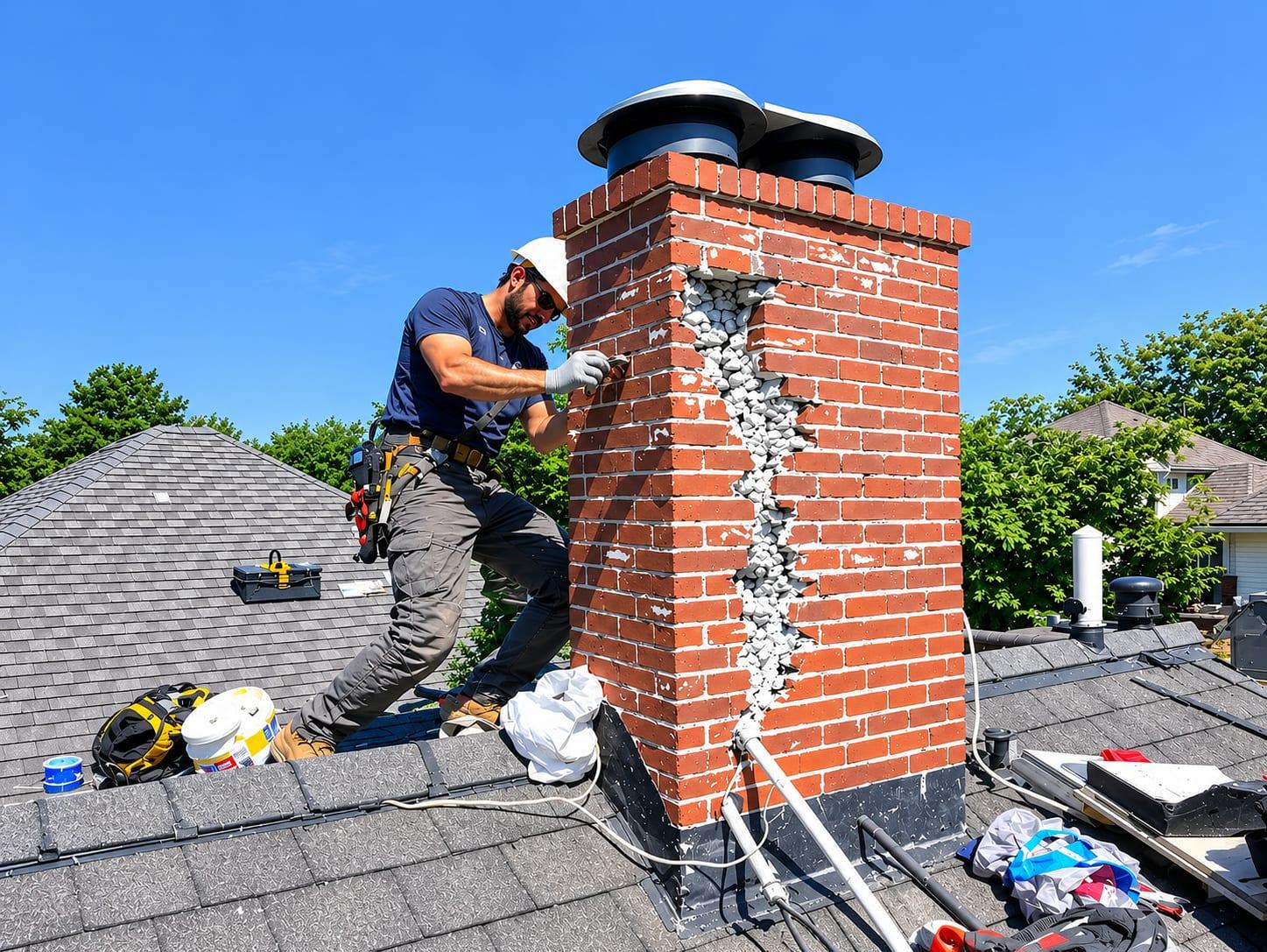
A chimney is a stack of parts that each keep out water, heat or smoke: brick and mortar outside, a crown or cover on top, flashing where it meets the roof, and a flue liner, damper, smoke chamber and firebox inside. Chimney repair means finding which of those parts has failed and fixing it, without tearing out the parts that are still sound.
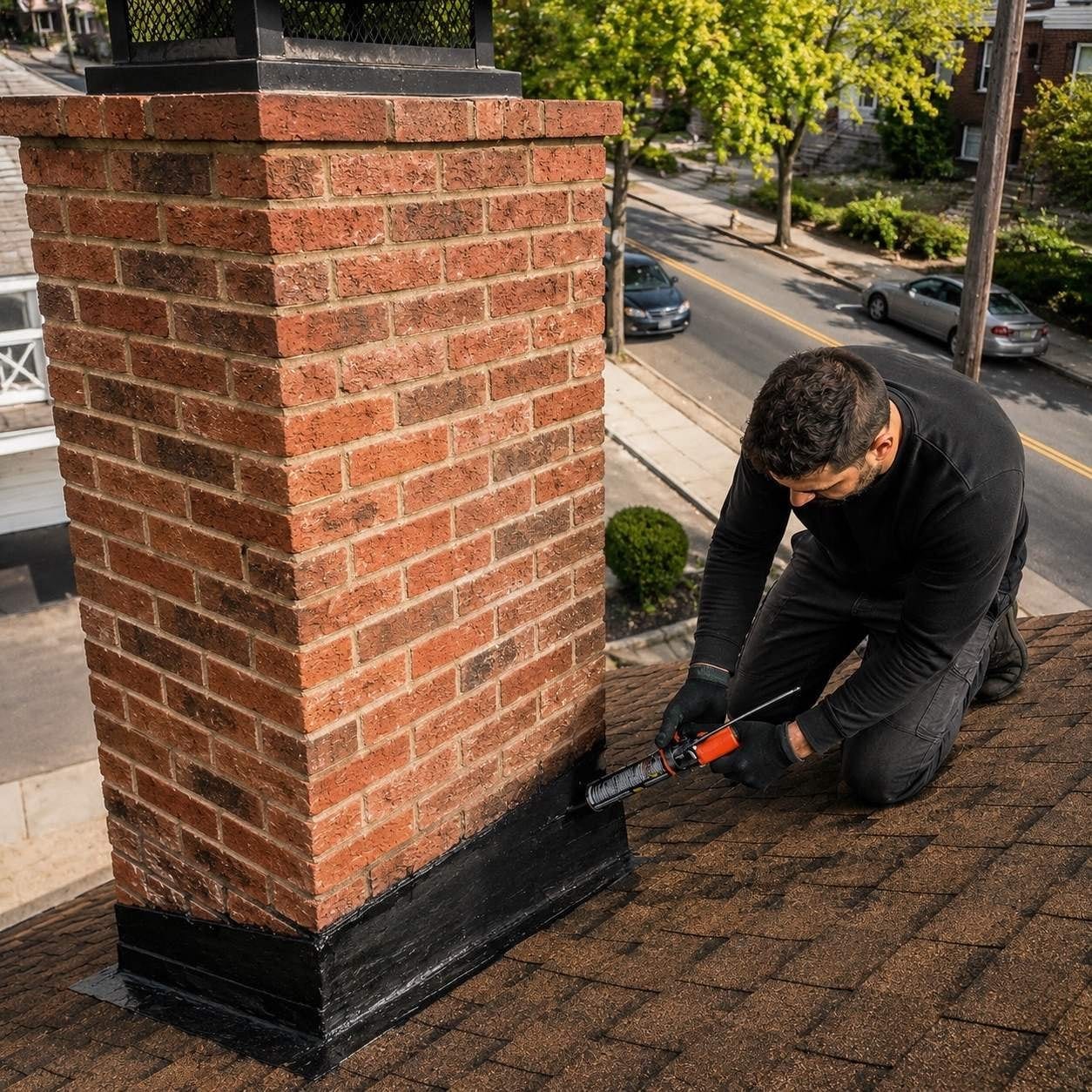
Most chimney repairs come down to water. Rain getting into brick, through a cracked crown or past a worn cover is what loosens mortar, rusts metal and stains ceilings. Fixing the entry point matters as much as fixing the visible damage.
Repair isn't always the right first job. If the fireplace smokes or smells and the structure looks sound, a sweeping is often what's needed. If you don't know what's wrong, an inspection comes first.
Signs your chimney needs repair
Call for a look if you notice any of these
- Cracked chimney brick, or bricks that move when pushed
- Spalling brick, where the face flakes or pops off in chips
- Crumbling or missing mortar between bricks
- Pieces of brick, mortar or tile in the firebox or on the roof
- Water stains on the ceiling or wall beside the chimney
- A rusted, dented or loose chimney cover
- White, chalky deposits on the outside brick
- A damper that sticks, won't close or won't open fully
- Cracks in the firebox walls or floor
- Smoke coming into the room instead of going up the flue
Common problems and how they're checked
01Water getting in
- What you may notice
- Stains near the chimney, damp smell, rust on the damper
- How it’s confirmed
- Crown, cover, flashing and brick are checked from the roof; the flue and damper from inside
02Worn or rusted top cover
- What you may notice
- Rust streaks down the chase or brick, a sagging or loose cap
- How it’s confirmed
- The cover and its fasteners are checked on the roof
03Damaged flue liner
- What you may notice
- Tile pieces in the firebox, poor draft, smoke smell
- How it’s confirmed
- A camera is run up the flue to look at the liner joints and walls
What a chimney repair visit involves
Step by step
Talk through what you've seen
Where the stain is, when the leak shows up, what fuel the fireplace burns and how often it's used.
Check the outside
Brick, mortar, crown, cover and flashing are looked at from the roof, since that's where most water gets in.
Check the inside
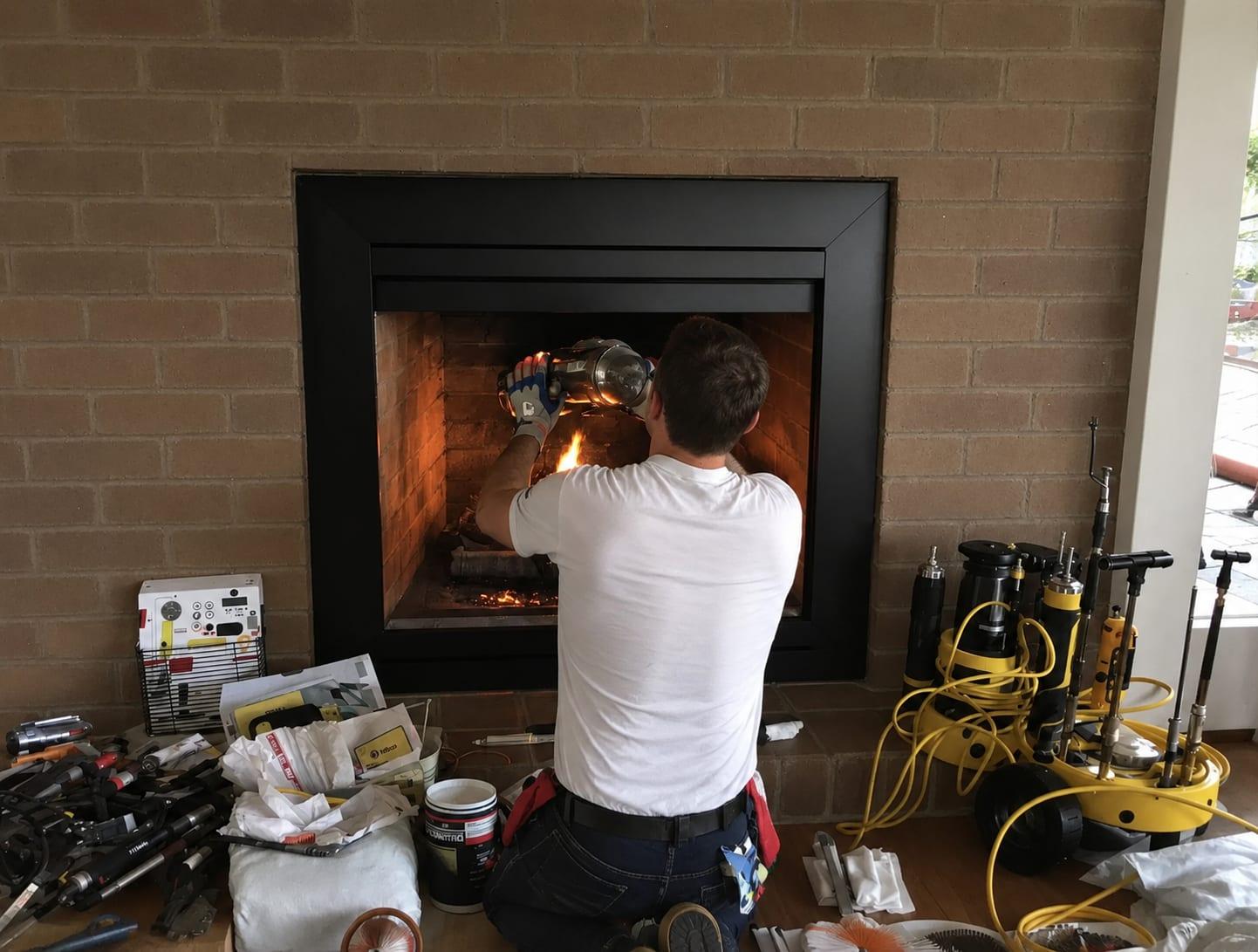
The firebox, damper and smoke chamber are examined, and a camera is used in the flue when the liner needs a closer look.
Explain the findings and give an estimate
You get a plain explanation of what's damaged, what's causing it and what the repair involves. Estimates are free.
Do the repair
Damaged material is removed and replaced, and the cause is addressed so the same damage doesn't come back.
Clean up and check the work
The work area is cleaned and the repair is checked before the job is closed out.
Components, materials and fuel types
| Part | What goes wrong | Typical repair |
|---|---|---|
| Brick and mortar | Cracking, spalling, loose bricks, eroded joints | Tuckpointing, brick replacement, waterproofing |
| Crown | Cracks that let water into the brick below | Crack sealing or rebuilding the crown |
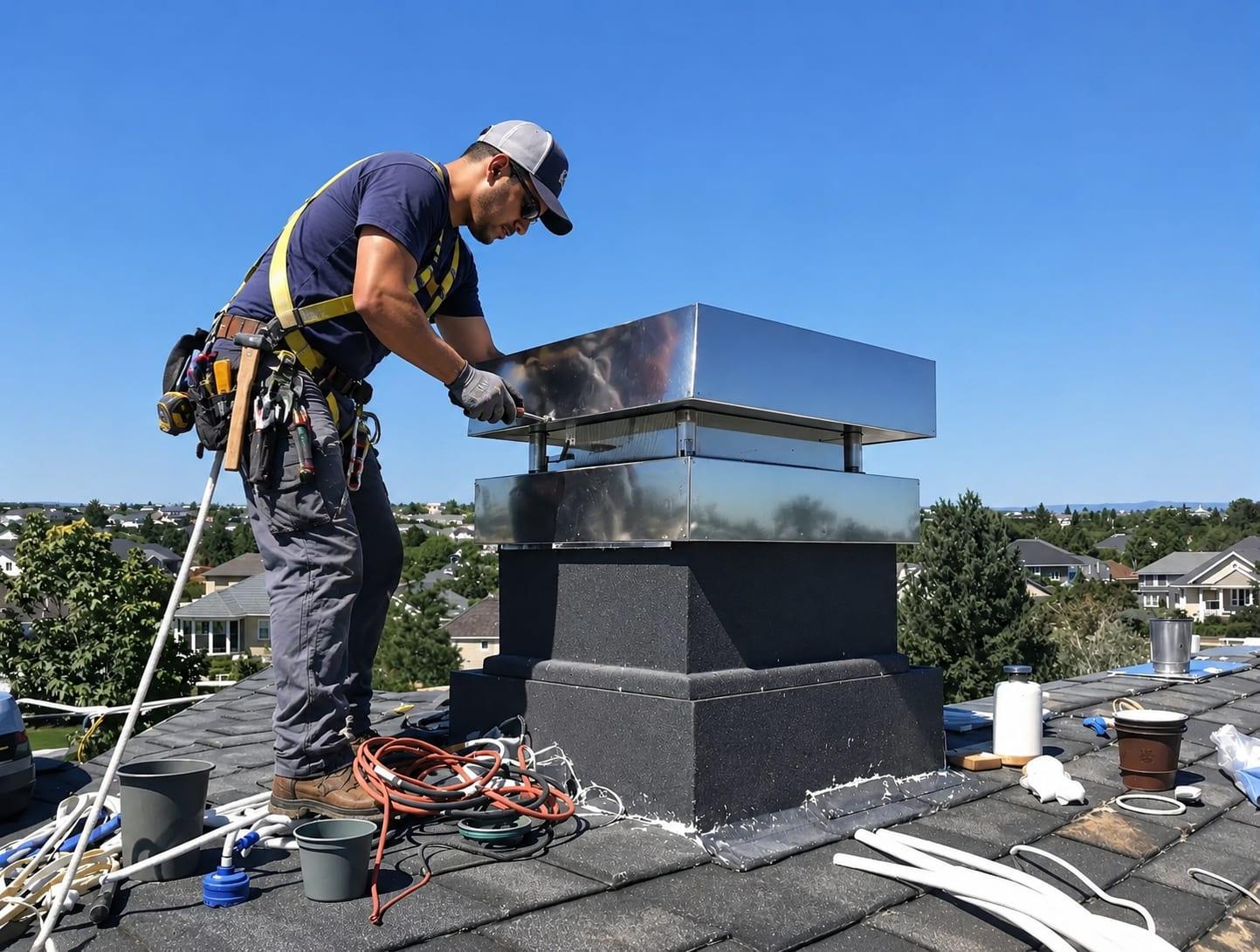
| Chimney cap | Rust, dents, broken mesh, loose fit | Cap repair or replacement |
| Chase cover (prefab chimneys) | Rust, pooling water, holes | Chase cover replacement |
| Flashing | Gaps or lifted metal at the roof line | Resealing or replacing flashing |
| Flue liner | Cracked tiles, gaps, deterioration | Liner repair or a new liner |
| Damper | Rusted, stuck or warped | Damper repair |
| Firebox and smoke chamber | Cracked firebrick, rough or damaged walls | Firebox and smoke chamber repair |
Masonry chimneys on wood-burning fireplaces are the most common repair, but the same approach applies to prefab chimneys with a framed chase, to gas fireplace venting and to pellet stove chimneys. The material and fuel decide which parts wear out first.
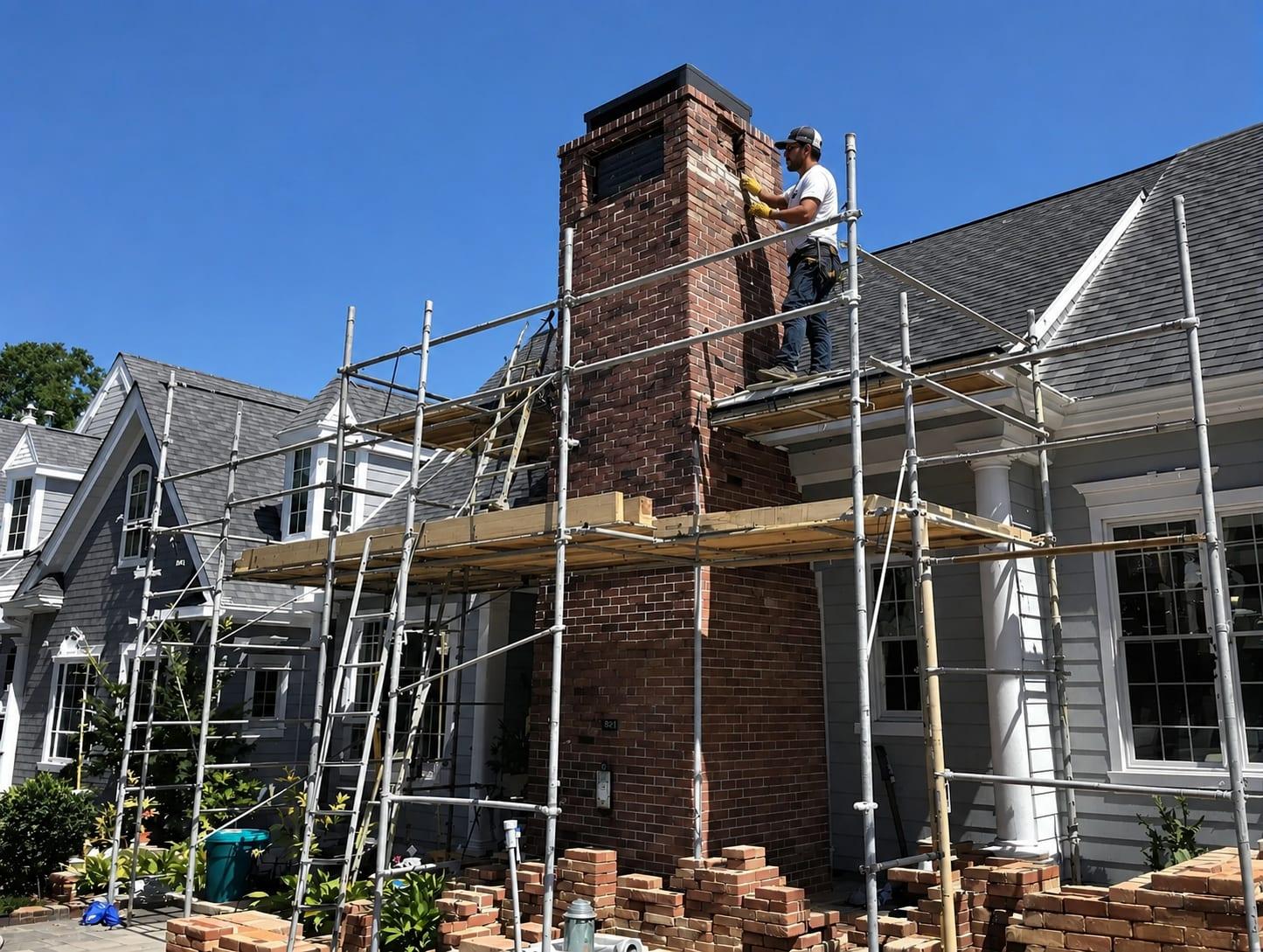
Chimney brick repair
Brick damage usually starts with mortar. As joints erode, water gets behind the brick face, and freezing or repeated wetting causes the face to crack and spall. Loose chimney brick near the top is a common result, because that's the part most exposed to weather.
- Tuckpointing: worn mortar is ground out and replaced with fresh mortar so the joints shed water again.
- Brick replacement: cracked or spalled bricks are cut out and replaced with matching brick.
- Waterproofing: once the masonry is sound, a breathable water repellent helps keep moisture out of the brick.
- Masonry repair at the top: the crown is sealed or rebuilt when cracks are feeding water into the stack.
Chimney cover repair
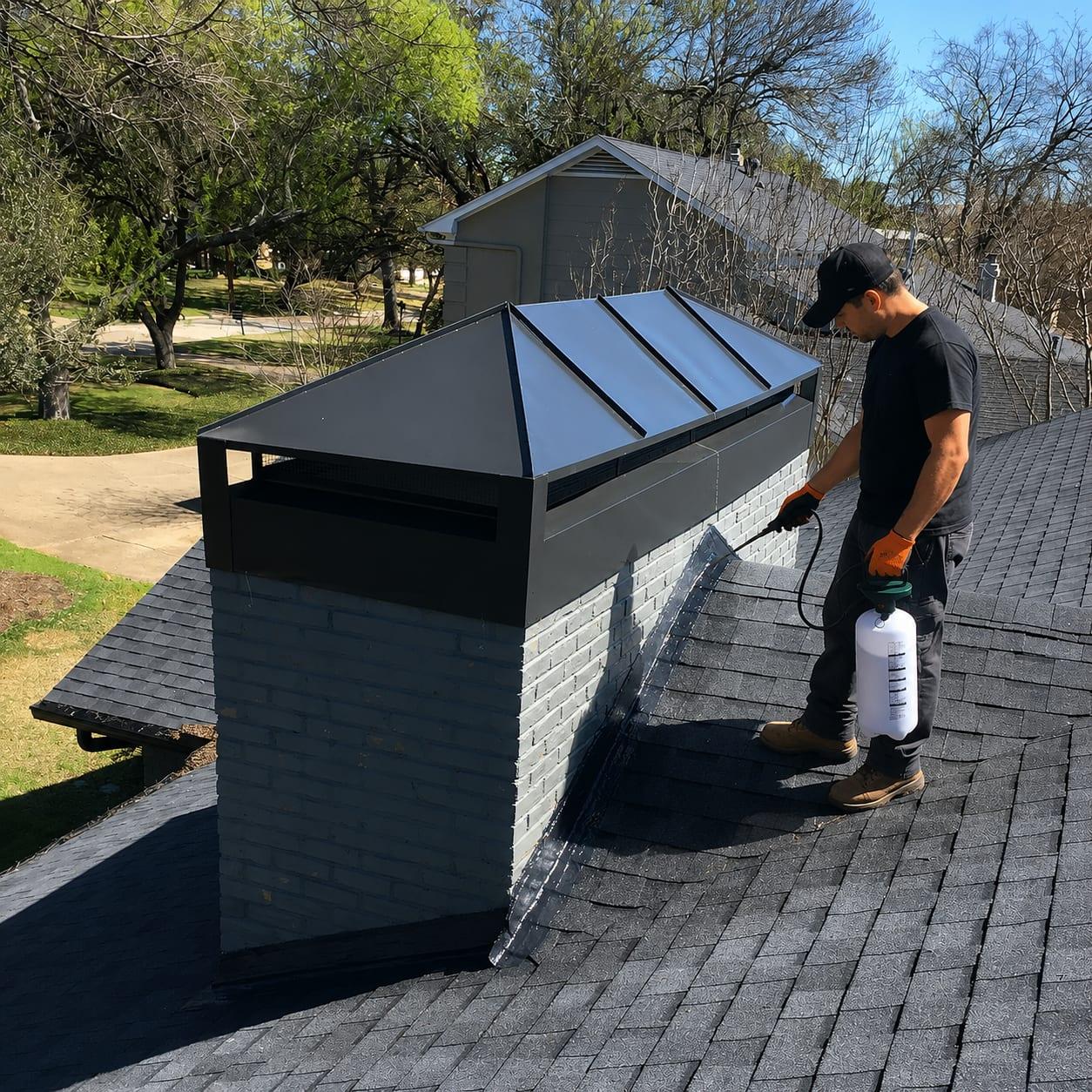
The cover on top of the chimney keeps out rain, debris and animals. Masonry chimneys usually have a cap over the flue, while prefab chimneys have a metal chase cover over the whole framed chase. Our guide to chimney caps vs chase covers explains the difference.
A dented or loose cap can often be fixed through chimney cap repair. A chase cover that has rusted through or holds standing water usually needs a new chase cover, since rust stains and leaks into the chase tend to follow.
Gas chimney repair
Gas fireplace and gas appliance work is offered. Gas burns cleaner than wood, but its exhaust carries moisture that can wear down an old masonry flue that was built for wood. Gas venting problems to watch for include a flue liner that's deteriorating, a missing or damaged cap, and blockages from nests or debris.
A flue that's been worn down by gas exhaust often needs a properly sized liner. Here's why every chimney needs a liner, whatever fuel it carries.
If you smell gas
Don't light the fireplace or use switches near it. Leave the house and call your gas utility before calling for chimney or fireplace repair.
Broken chimney
A broken chimney is one with structural damage, such as a stack that's leaning, pulling away from the house, missing large sections of brick, or cracked through after a storm. Stop using the fireplace and keep people away from the area below the chimney until it's been looked at.
When damage is limited to the upper courses, repair is usually possible. When the stack is unstable or the damage runs deep, a chimney rebuild is the right job instead of patching.
Emergency chimney repair
Emergency calls are accepted.
Keeping repairs from coming back
- Have the chimney inspected once a year if you use it.
- Keep a cap or chase cover on top, and replace it when it rusts.
- Fix small mortar and crown cracks before they let in more water.
- Watch the ceiling and walls near the chimney after heavy rain.
- Close the damper when the fireplace isn't in use. If the fireplace has gas logs, leave the damper as the installer set it — vented gas logs need it open.
Booking chimney repair
Get in touch to request an estimate. Estimates are free. Same-day visits are available where the schedule allows (never guaranteed). Commercial and property-manager work is offered, and we work on all major brands of fireplaces and inserts.
We also handle chimney repair in Marietta and chimney repair for homes in Alpharetta.