Chimney services Jonesboro homeowners can book
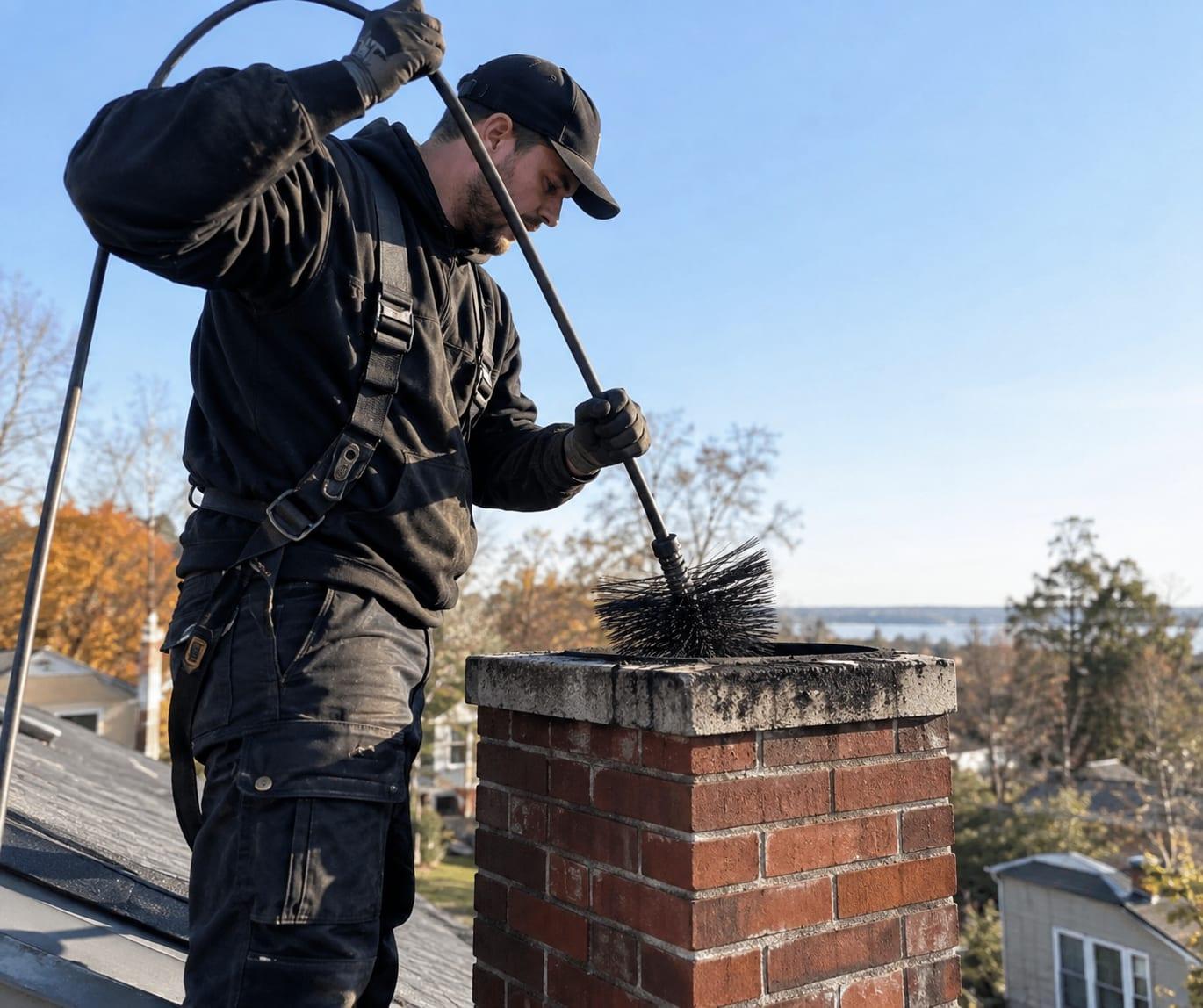
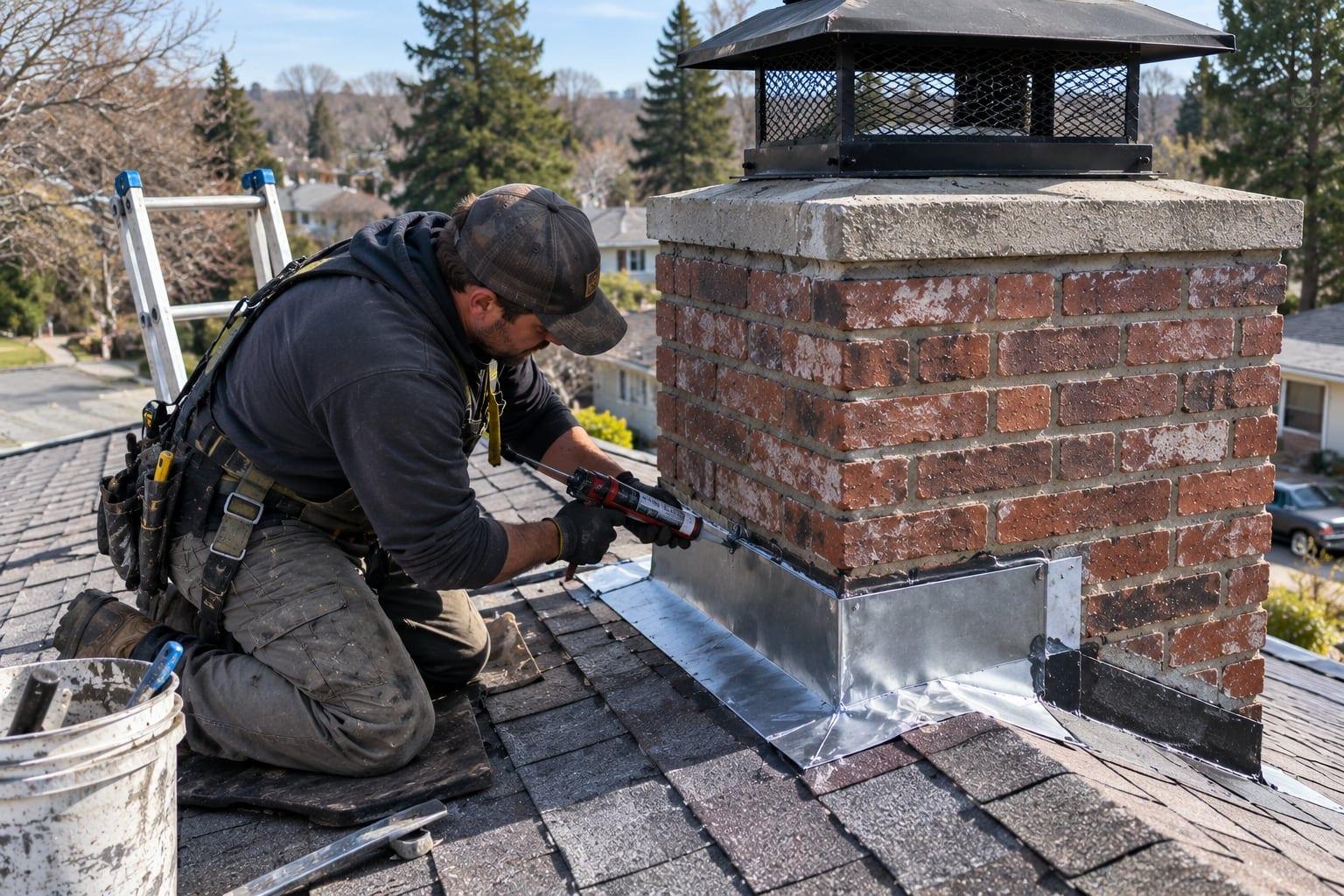
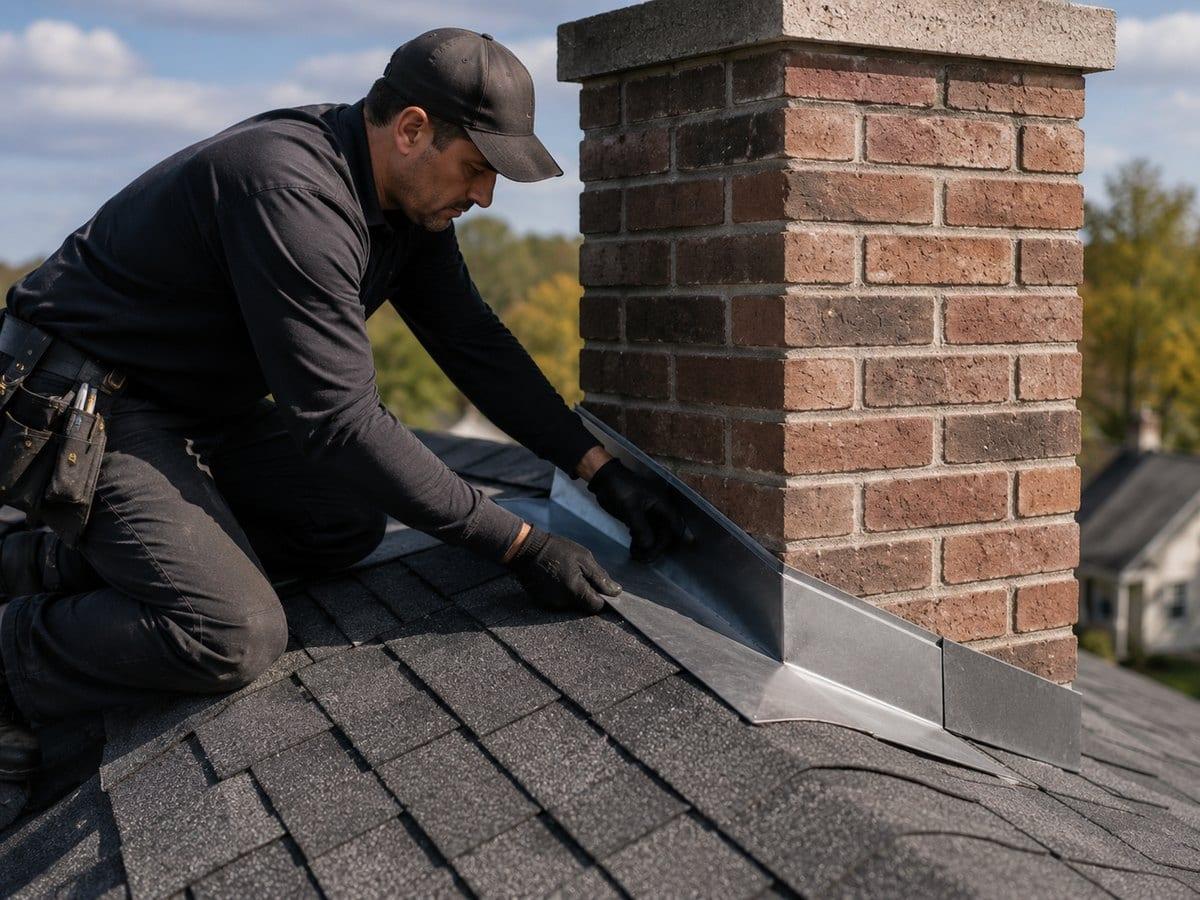
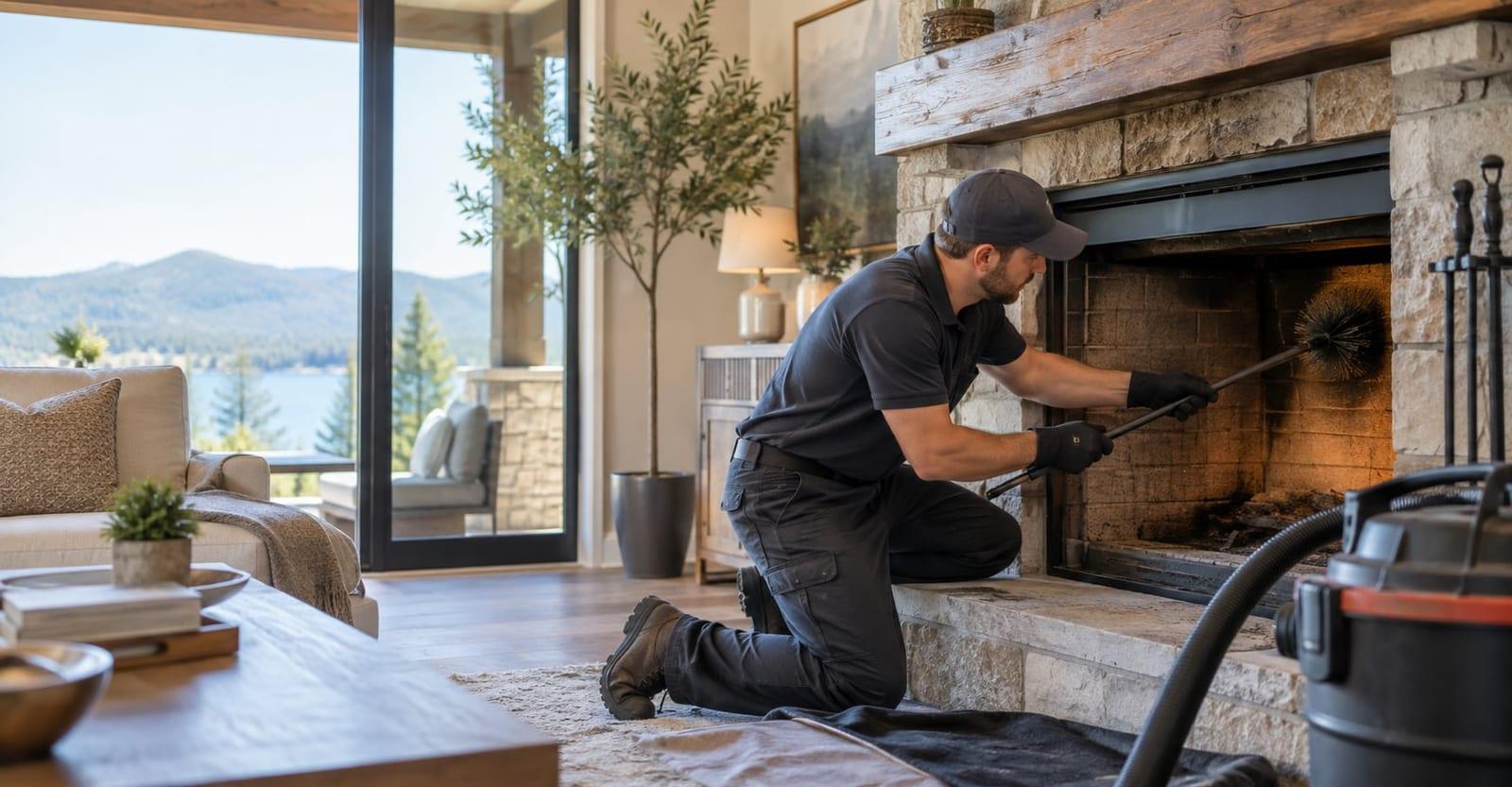
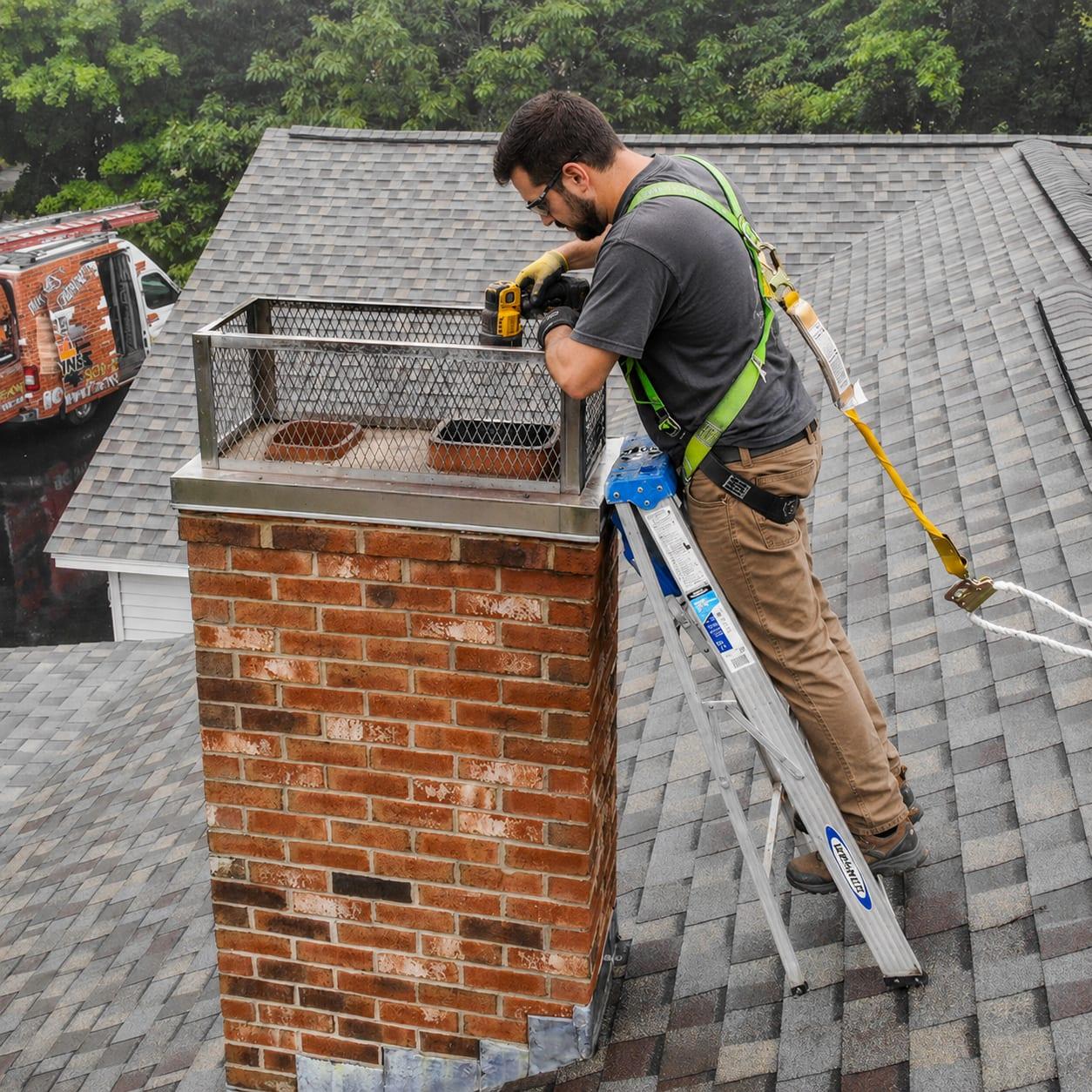
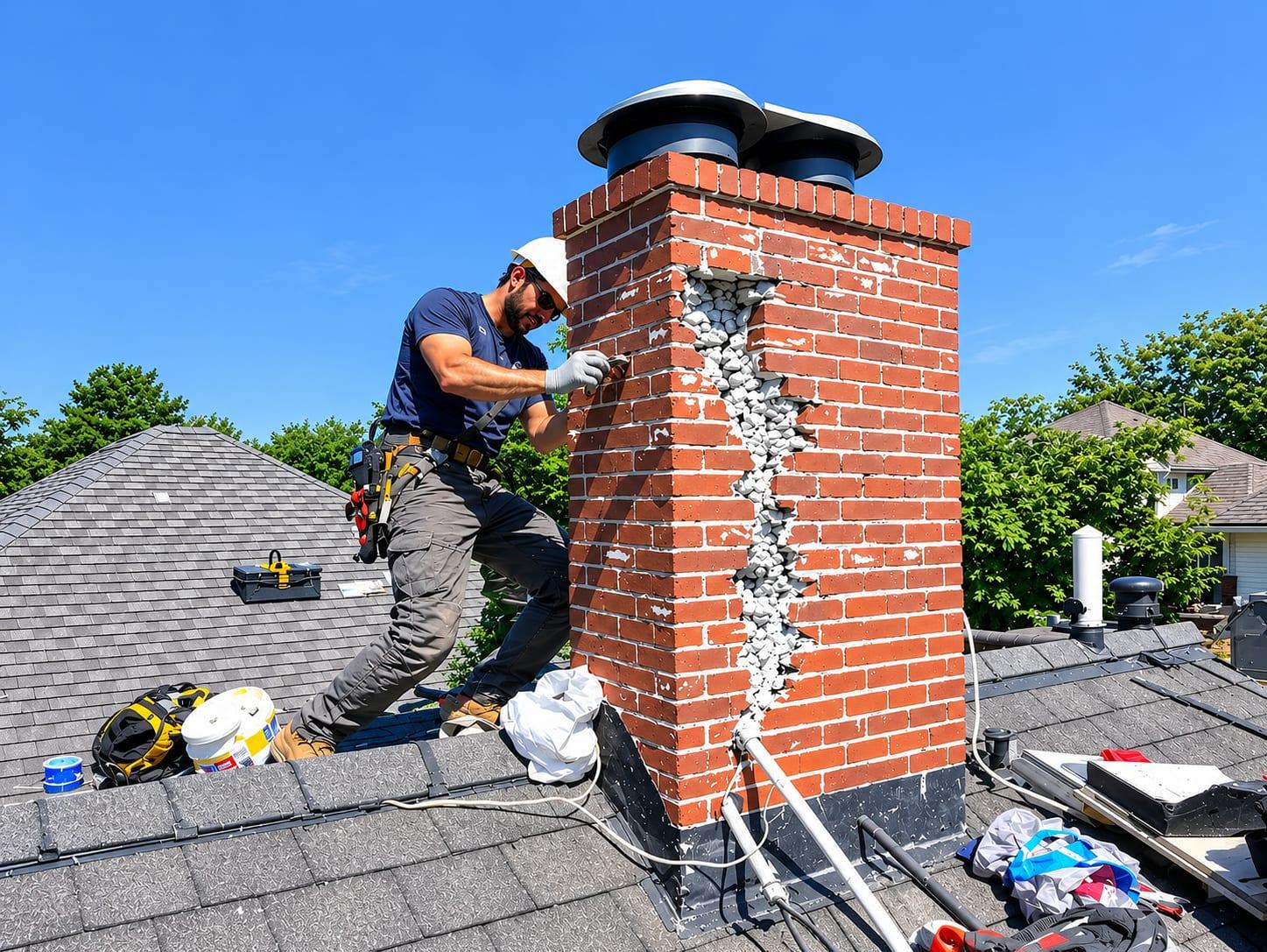
Whether you burn wood every weekend or haven't lit the fireplace since you moved in, the work starts with a clean, clear flue. Our chimney sweep service removes soot, creosote and debris such as nests. A chimney inspection shows the condition of the flue, crown, flashing and firebox. When something is worn or broken, we handle the fix, from cracked crowns and leaking flashing to damaged liners. Read how chimney repair works before you schedule.
The same visit can cover more than the chimney. We also service gas fireplaces and inserts, clean and repair wood stoves, and clear clogged dryer vents, a common source of long drying times and lint buildup.
Older housing and what it means for your chimney
About 37% of the housing units in Jonesboro were built before 1960, and about 6% in 1939 or earlier. (Source: U.S. Census Bureau, American Community Survey 2019–2023 5-year estimates, table B25034, Year Structure Built.)
If your home is one of those older houses, its chimney has been through decades of heating seasons, rain and settling. Masonry chimneys from that era commonly have clay tile flue liners, which can crack or separate at the joints. Some very old chimneys were built with no liner at all. Over time, mortar joints erode and concrete crowns crack and let water in. None of this is always visible from the yard or the hearth, so a look inside the flue matters most on an older chimney.
Signs an older chimney needs attention
- Crumbling mortar, loose bricks or white staining on the outside of the chimney
- A cracked or chipped crown at the top of the stack
- Water stains on the ceiling or wall next to the chimney
- Pieces of tile or masonry falling into the firebox
- Smoke drifting into the room instead of going up the flue
- A damper that sticks, won't close or has rusted through
Newer homes have their own needs. Houses built from the 1960s on often have factory-built fireplaces with metal flues and a chase cover on top. Those systems still collect creosote, and rusted chase covers are a frequent source of leaks.
Sources (1)
Facts and figures on this page come from these references.
- 1U.S. Census Bureau, American Community Survey 2019–2023 5-year estimates, table B25034 (Year Structure Built)