Chimney services Lawrenceville homeowners can book
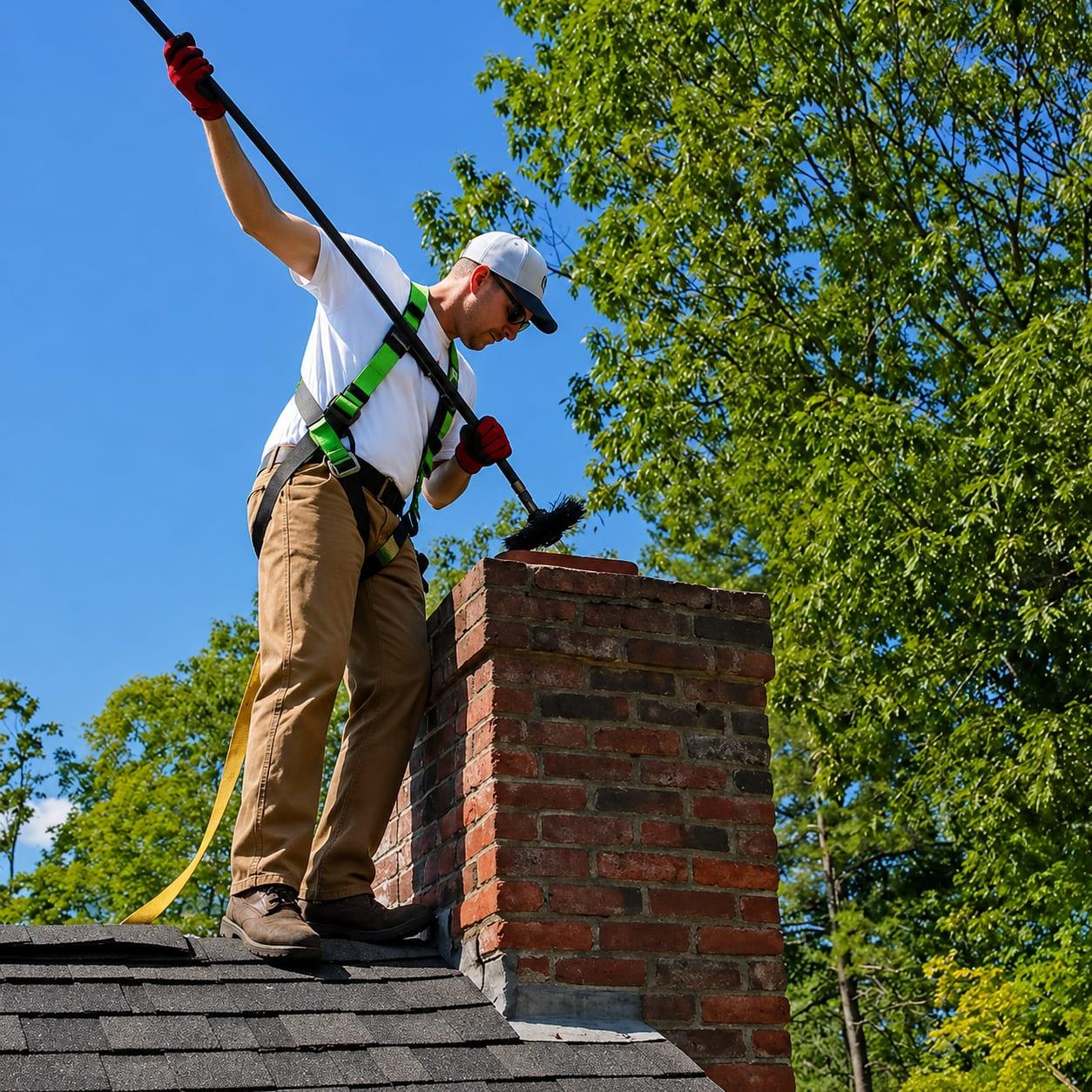
The work falls into a few groups: keeping a chimney clean and drawing well, finding out what condition it's in, fixing what's worn or leaking, and looking after the fireplace and vents connected to it. Routine soot and creosote buildup is handled with a chimney sweep in Lawrenceville. If you're buying a house, noticing a smell, or just haven't had the flue looked at in a while, start with a chimney inspection for homes in Lawrenceville.
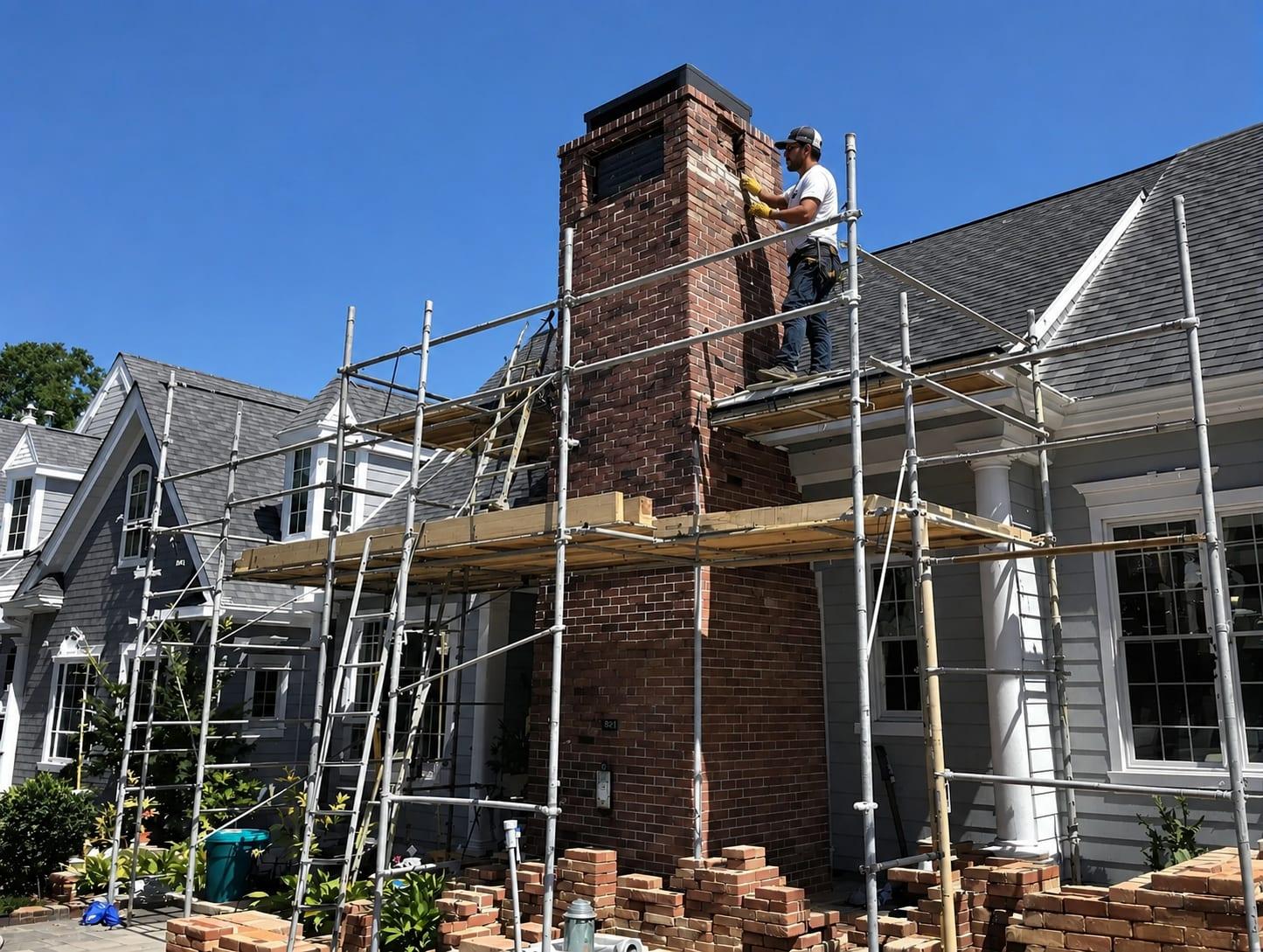
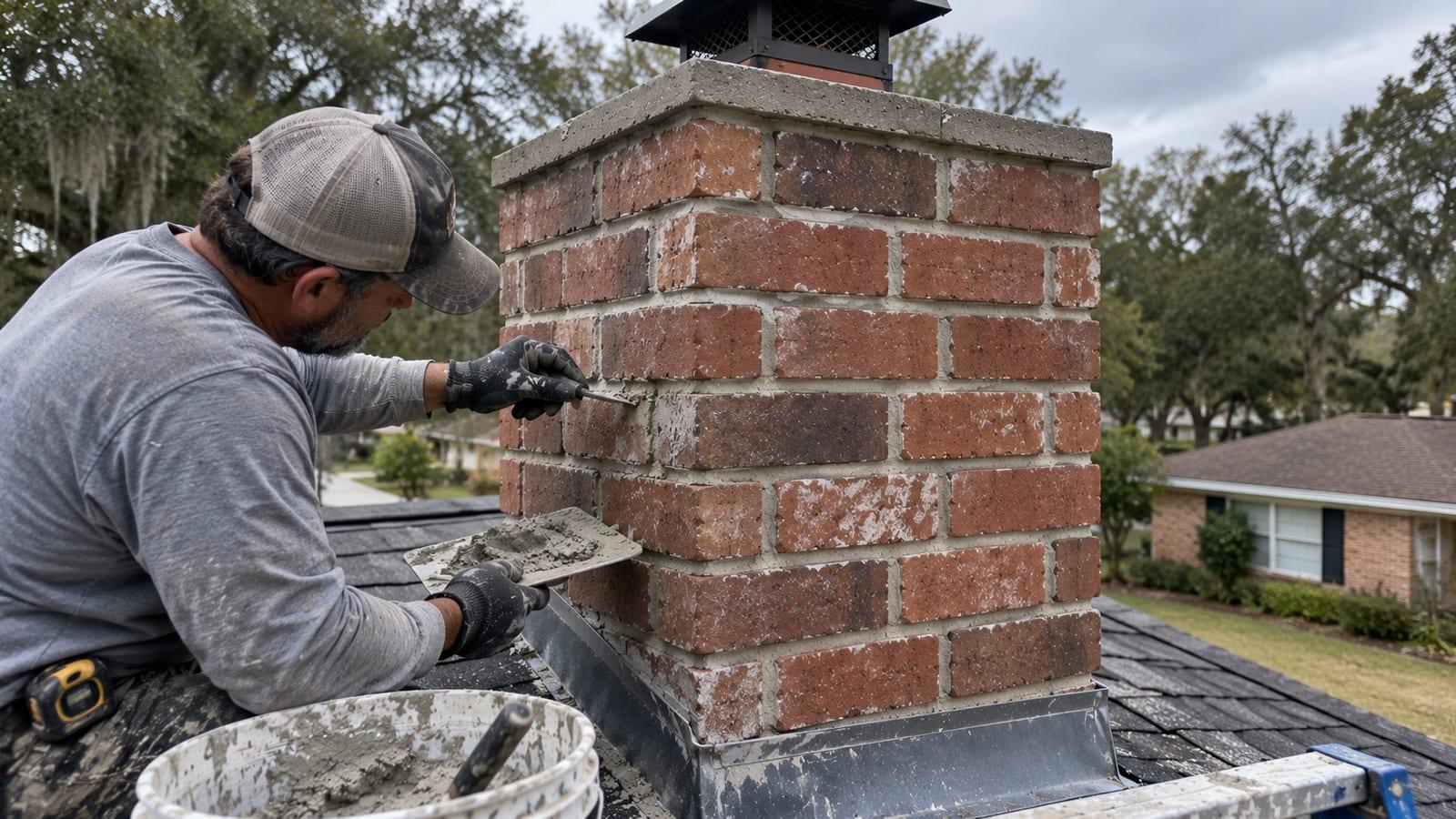
When an inspection turns up cracked mortar, a damaged crown or a leak around the roofline, that work is handled through chimney repair in Lawrenceville. For a flue that's open to rain, leaves or nesting animals, chimney cap installation in Lawrenceville is often a simple fix.
What Lawrenceville's housing figures mean for your chimney
According to the U.S. Census Bureau (American Community Survey 2019–2023 5-year estimates, table B25034, Year Structure Built), about 5% of the housing units in Lawrenceville were built before 1960. In other words, a small share of homes in town fall into that older group, and most were built in 1960 or later.
That figure doesn't tell you anything about a specific house, but it does help you know what to ask. If yours is one of the older homes, the masonry, mortar joints and flue liner have had many decades of heat and weather. Those parts are worth a close look before a heavy burning season, even if the fireplace seems to work fine.
If your home is newer, age is less of a concern, but use still matters. Chimneys in newer homes still collect creosote, lose caps in storms, take on water through flashing and attract birds and animals. A newer home may also have a factory-built fireplace with a metal flue and a chase on the roof instead of a brick chimney. In that case, the chase cover, the panels and the venting parts are where most problems start.
Useful things to know before you call
- Roughly when your home was built, if you know
- Whether the fireplace burns wood or gas, or is an insert or stove
- When the chimney was last cleaned or looked at
- Any smells, water stains, drafts or animal sounds you've noticed
- Whether the dryer vent exits through a wall or the roof
Keeping wood and gas fireplaces in working order
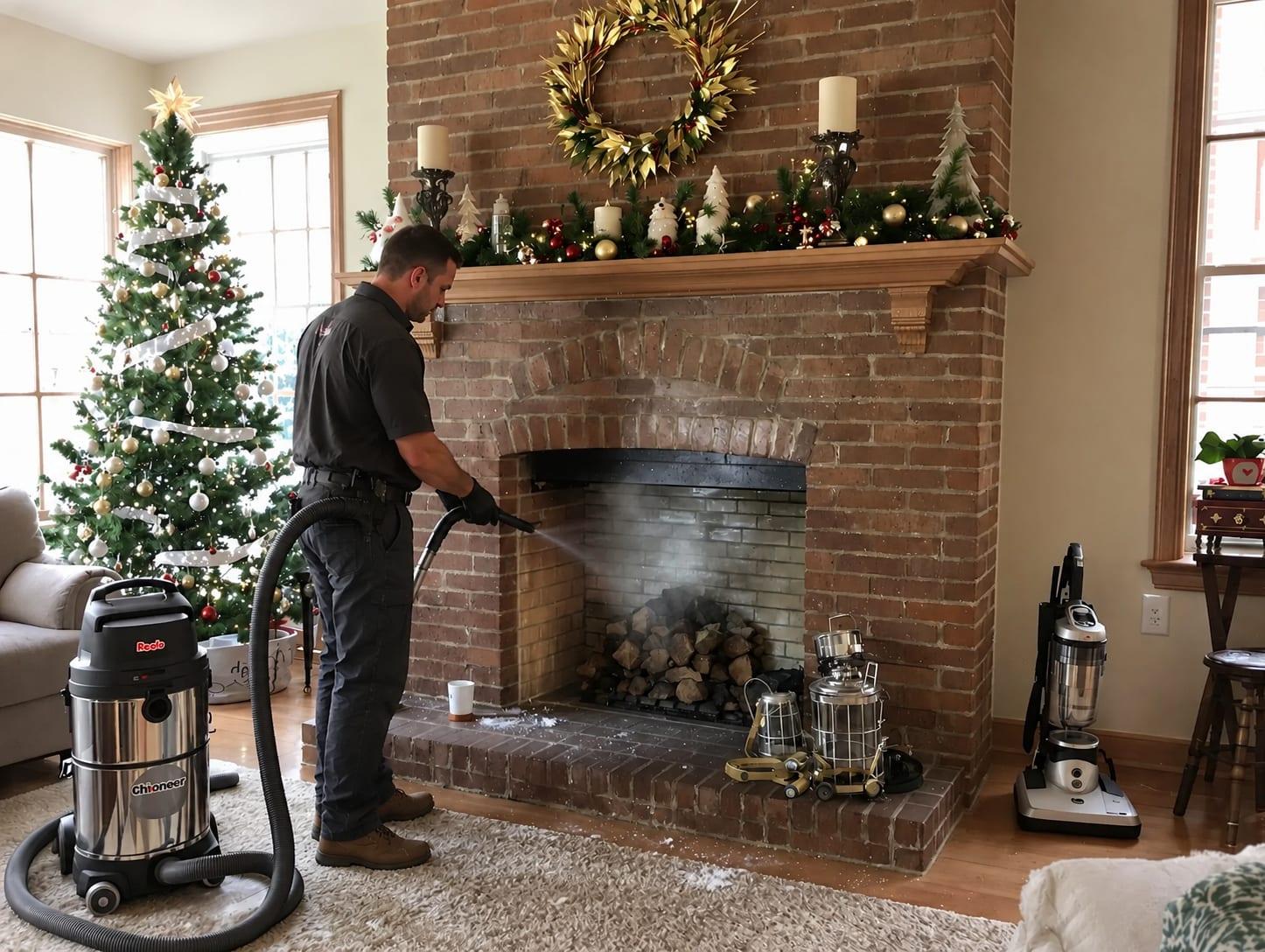
Wood-burning fireplaces leave ash, soot and creosote in the firebox and smoke chamber. Our fireplace cleaning service clears that out so the fire burns cleaner and the room smells better. Inserts and wood stoves are cleaned as well.
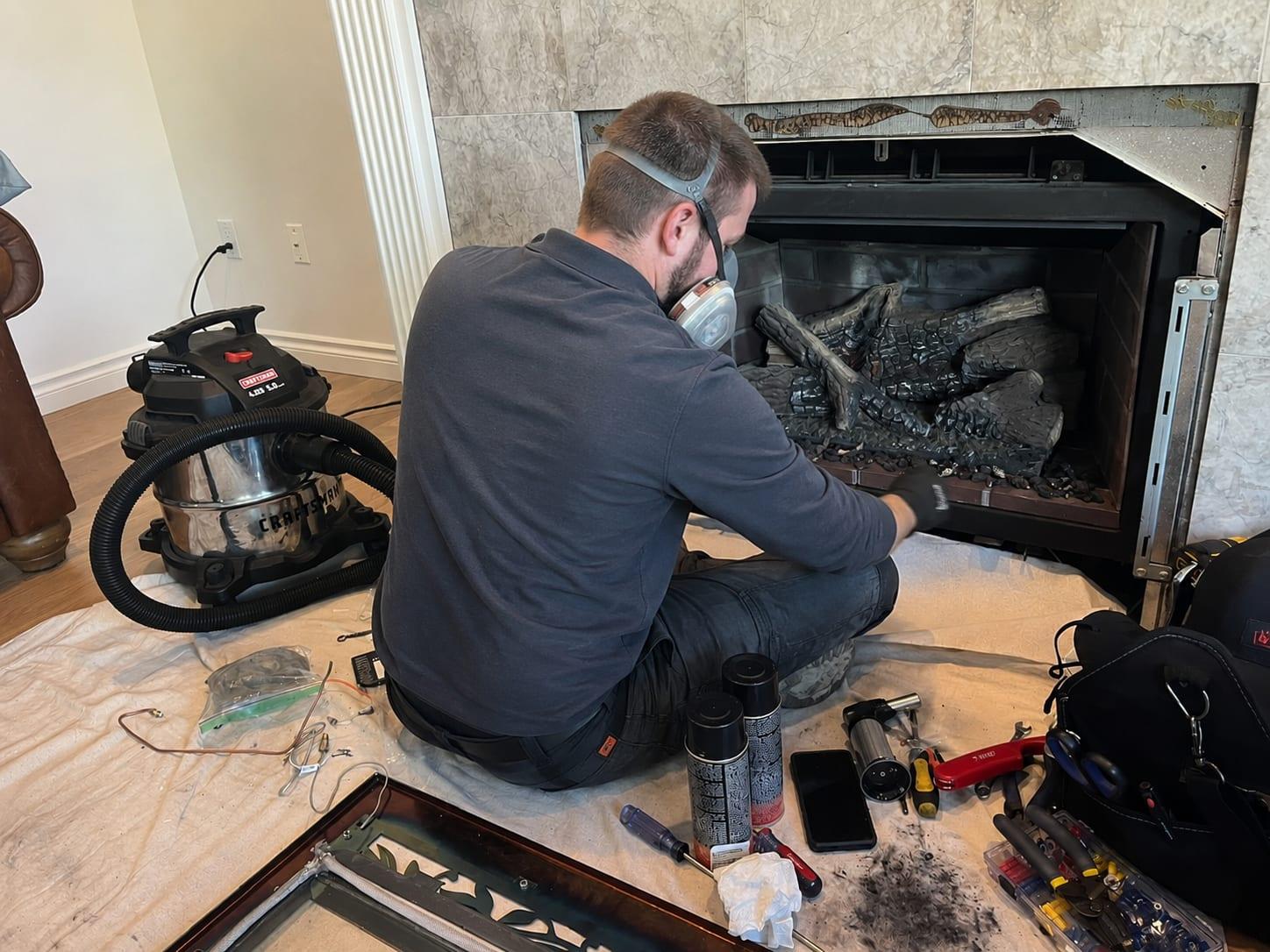
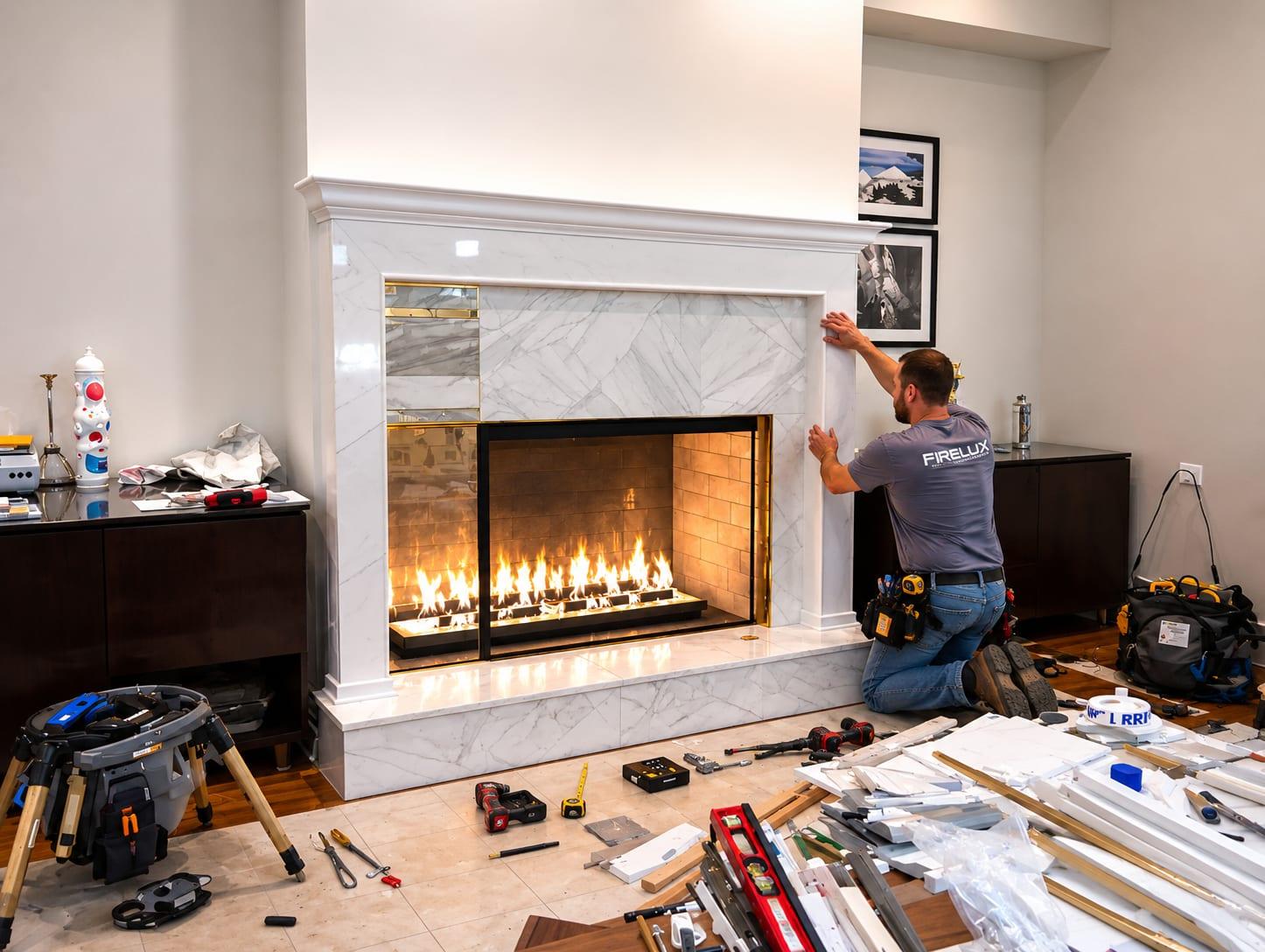
Gas fireplace and gas appliance work is offered too. That includes units that won't light, pilots that keep going out, sooty glass and logs that burn unevenly. Our gas fireplace service covers repairs and routine maintenance, and we work on all major brands. Minor repairs to a worn firebox or cracked panels can usually be handled in the same trip as a cleaning or service call.
Dryer vents and laundry airflow
Lint that builds up in a dryer vent slows drying and makes the dryer run hotter. Common signs are clothes that take two cycles, a laundry room that feels warm and damp, or a burning smell. If you smell burning, turn the dryer off and unplug it until the vent is checked. We clean dryer vents, clear blockages, test airflow and fix or reroute damaged runs, including vents that exit through the roof. If the airflow problem is in the home's ductwork rather than the dryer line, air duct cleaning is available as well.
Stop using the fireplace or dryer if you notice these
Smoke backing into the room, a strong gas smell, or a dryer that's hot to the touch with little air coming out of the outside vent are reasons to stop and call before using it again. If you smell gas, leave the house first and call your gas utility from outside.
Sources (1)
Facts and figures on this page come from these references.
- 1U.S. Census Bureau, American Community Survey 2019–2023 5-year estimates, table B25034 (Year Structure Built)