Chimney services Oxford homeowners can book
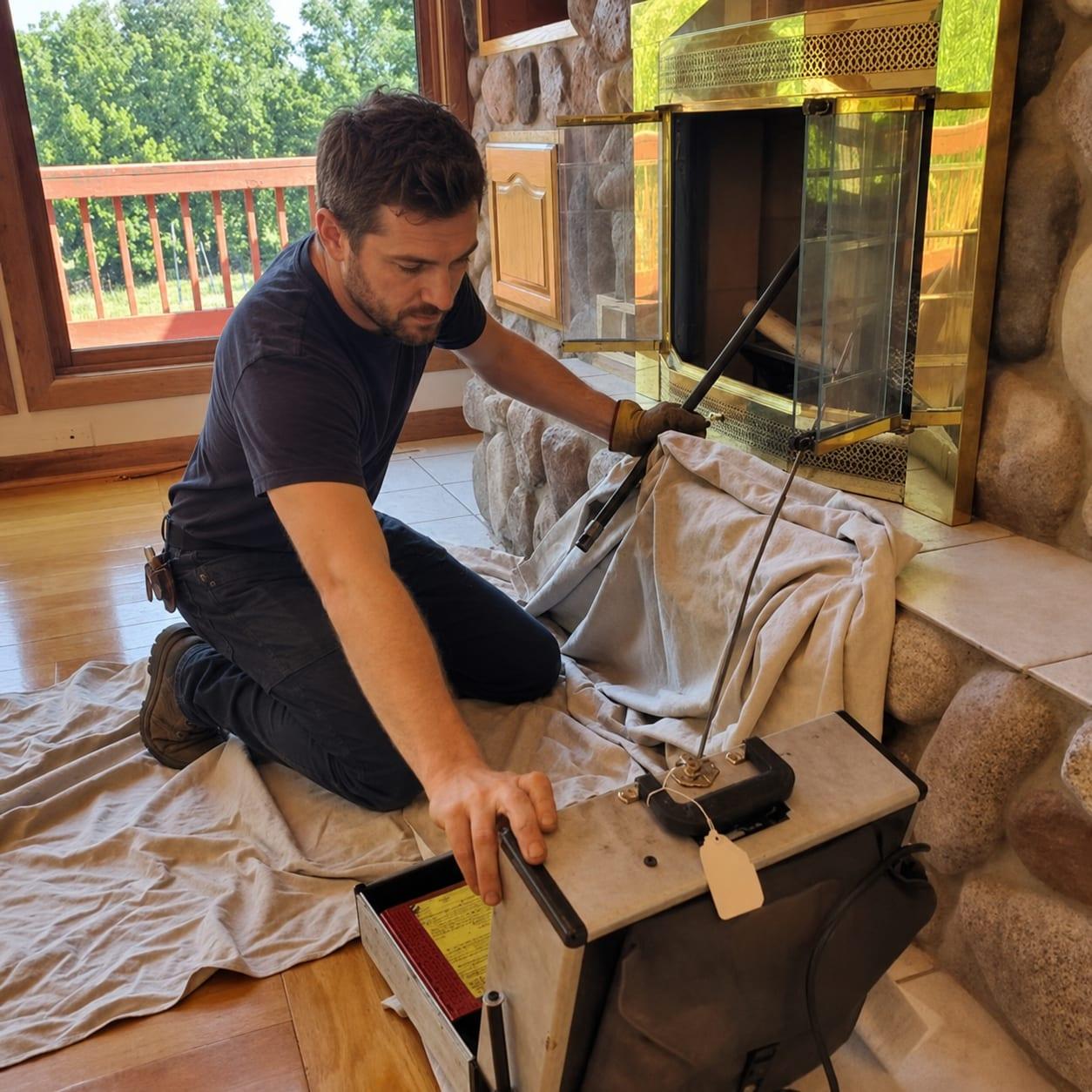
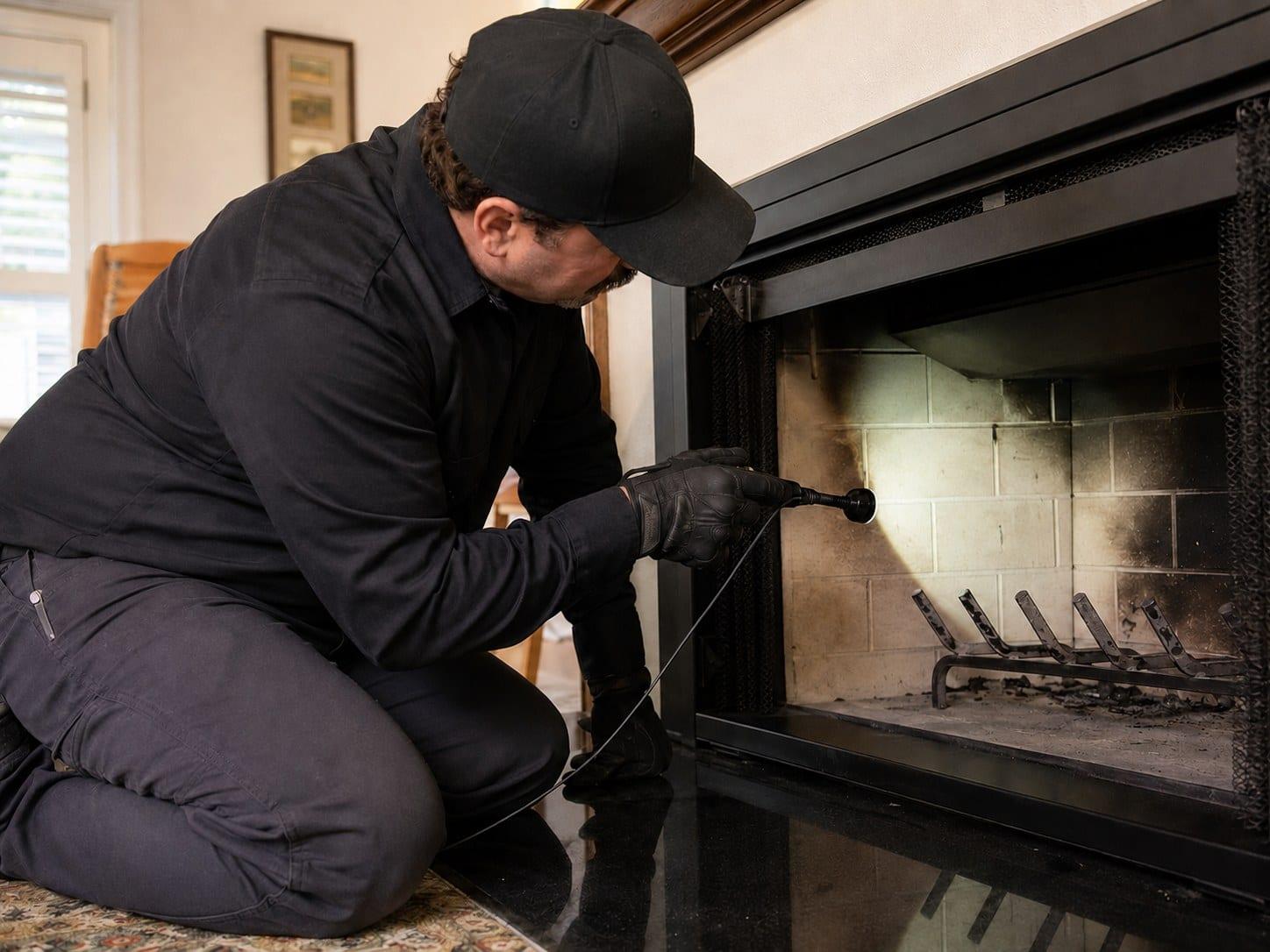
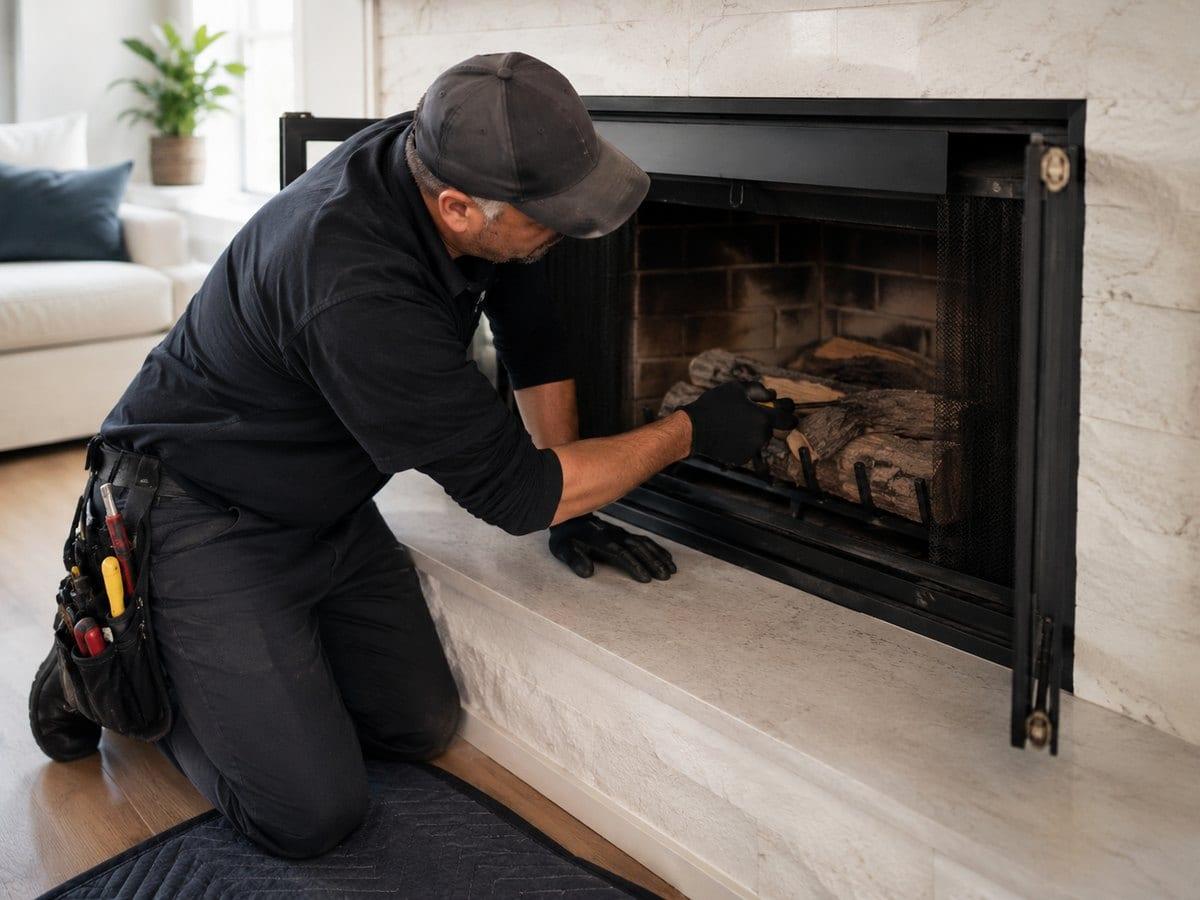
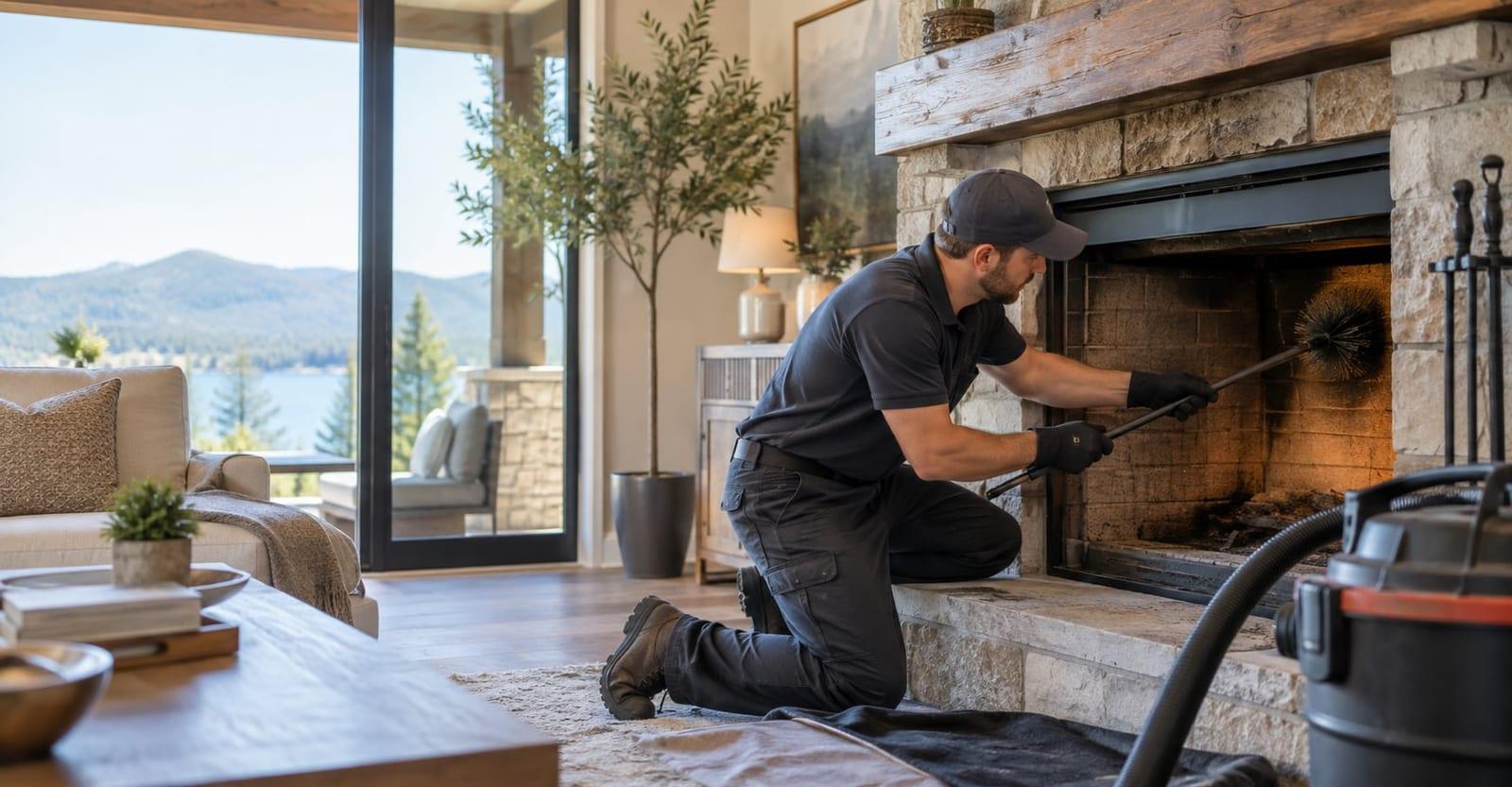
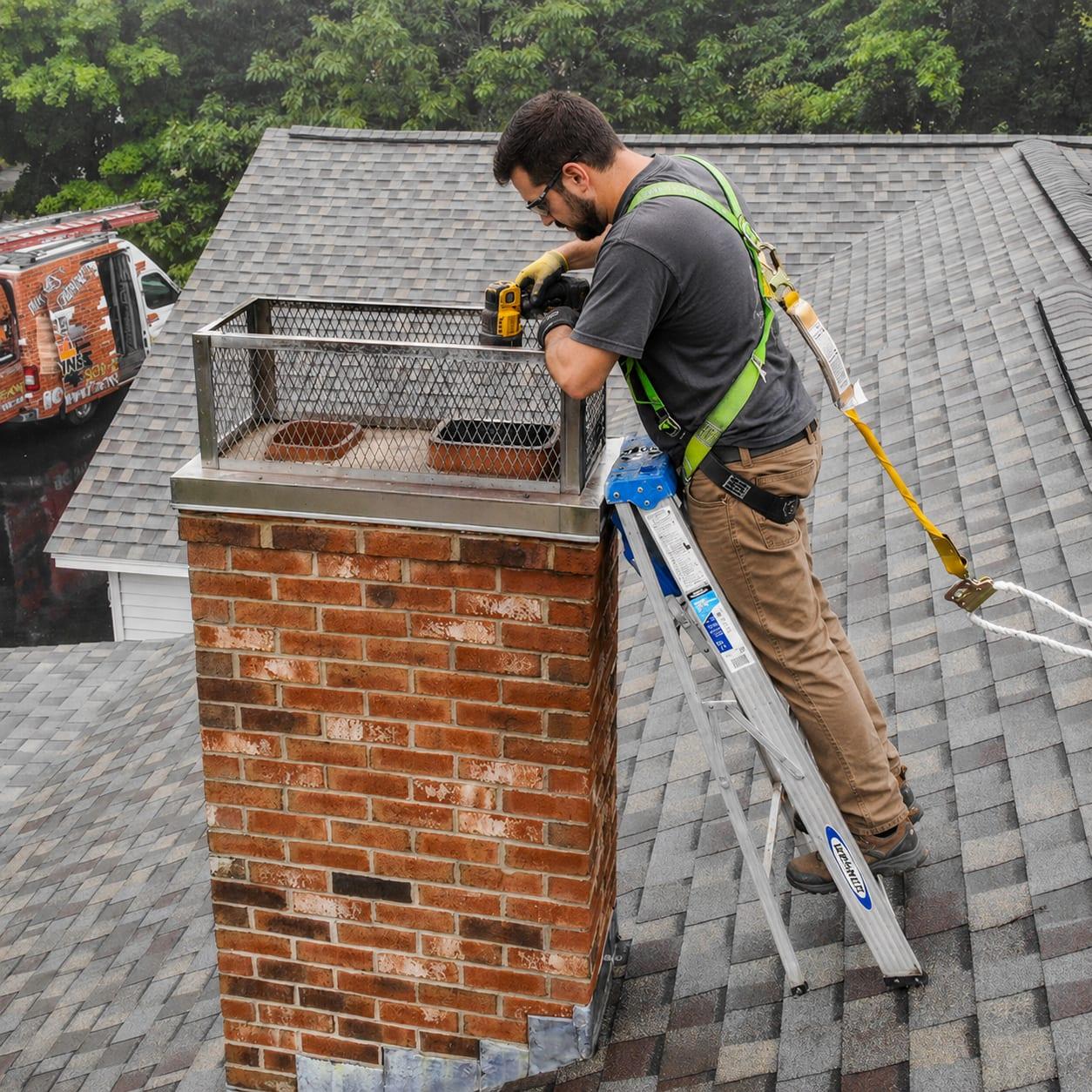
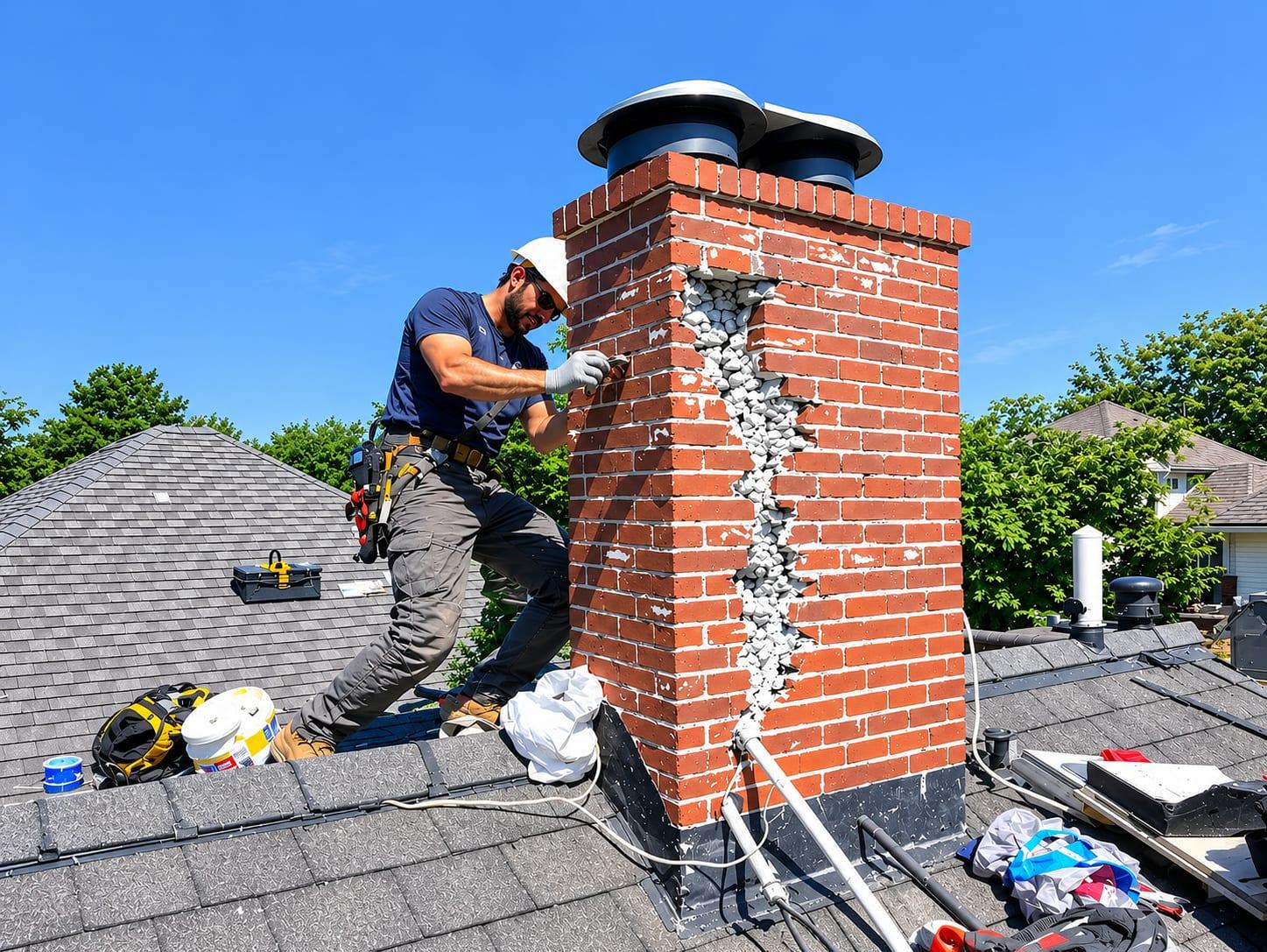
We handle the full range of work around a fireplace and its venting. A routine chimney sweep service clears soot and creosote from the flue. A chimney inspection checks the liner, crown, flashing and firebox, and can include a camera look inside the flue. When something is cracked, leaking or loose, our chimney repair work covers masonry, crowns, flashing, caps and liners. Beyond the chimney itself, we service wood stoves, fireplace inserts and gas fireplaces, and we clean and repair dryer vents.
What Oxford's older housing means for chimney and fireplace work
About 33% of the housing units in Oxford were built before 1960, and about 10% in 1939 or earlier, according to the U.S. Census Bureau's American Community Survey 2019–2023 5-year estimates (table B25034, Year Structure Built). That figure describes when the buildings went up. It doesn't say anything about the condition of any one chimney, but it does point to what's worth checking.
Houses from those decades usually have masonry chimneys. Chimneys of that age often have clay tile liners that can crack or separate, and the oldest ones may have no liner at all. Mortar joints wear down over decades of rain and freeze-thaw cycles, crowns crack, and flashing around the chimney can loosen as roofs are replaced. Many older fireplaces have also gone years without a fire, or have been switched to gas logs or an insert along the way. Those changes affect how the flue should be sized and lined.
The other two-thirds of Oxford's housing was built after 1960. Newer houses are more likely to have factory-built fireplaces with metal flues, framed chases and chase covers. Those systems have their own wear points, such as rusted chase covers and damaged refractory panels.
Worth asking about if your house was built before 1960
- Whether the flue has a liner, and whether that liner is intact along its full length
- The condition of the mortar joints and the crown at the top of the chimney
- Whether the flashing where the chimney meets the roof is sealed
- Whether the damper opens, closes and seals
- Whether a fireplace that has sat unused for years is safe to burn in again
- Whether an earlier gas or insert conversion was vented correctly
Where to start
If you don't know when the chimney was last looked at, start with an inspection rather than a repair. It shows what the flue and masonry actually need before you decide on any work.
Sources (1)
Facts and figures on this page come from these references.
- 1U.S. Census Bureau, American Community Survey 2019–2023 5-year estimates, table B25034 (Year Structure Built)