Chimney services in Senoia: What you can book
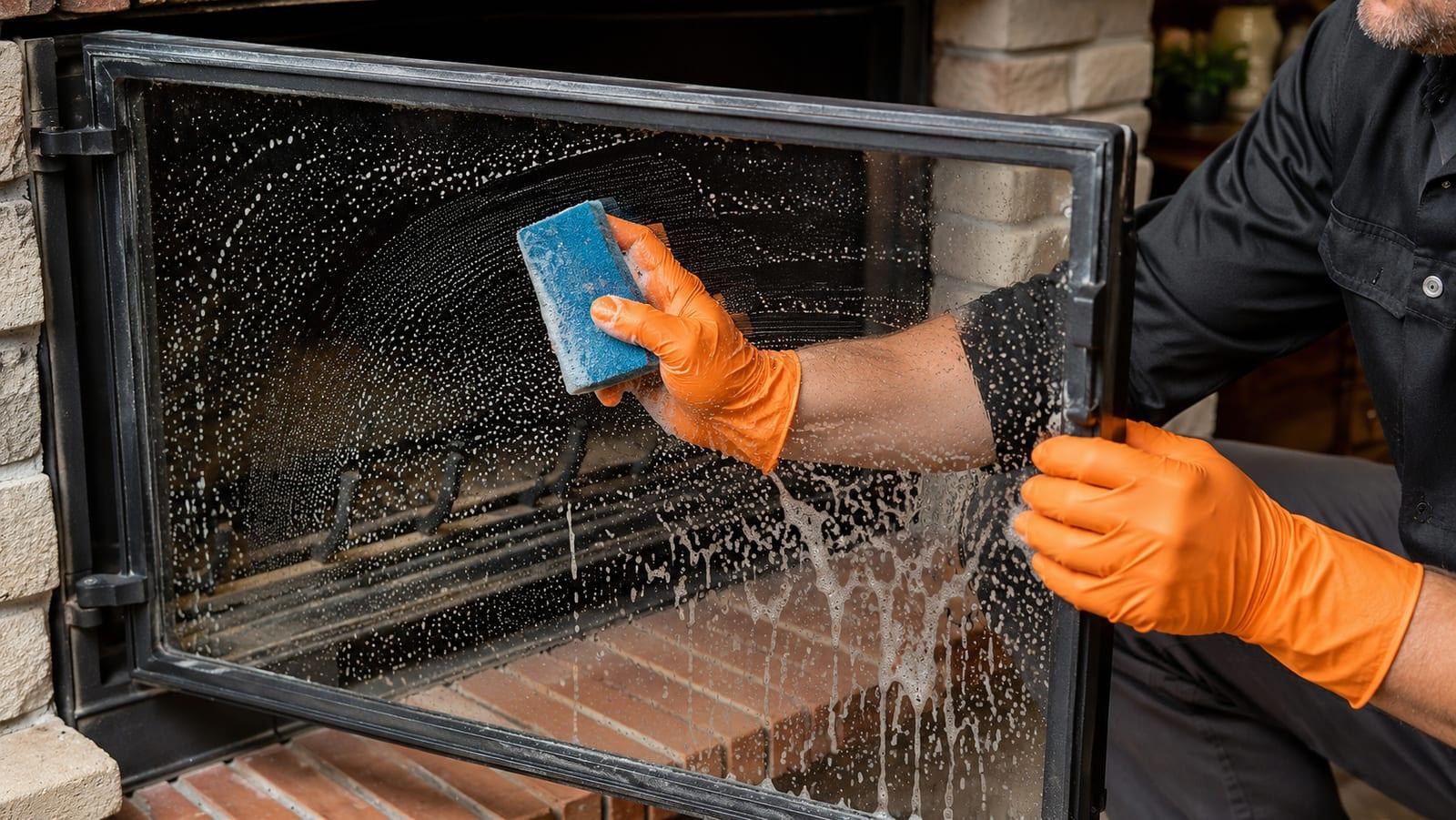
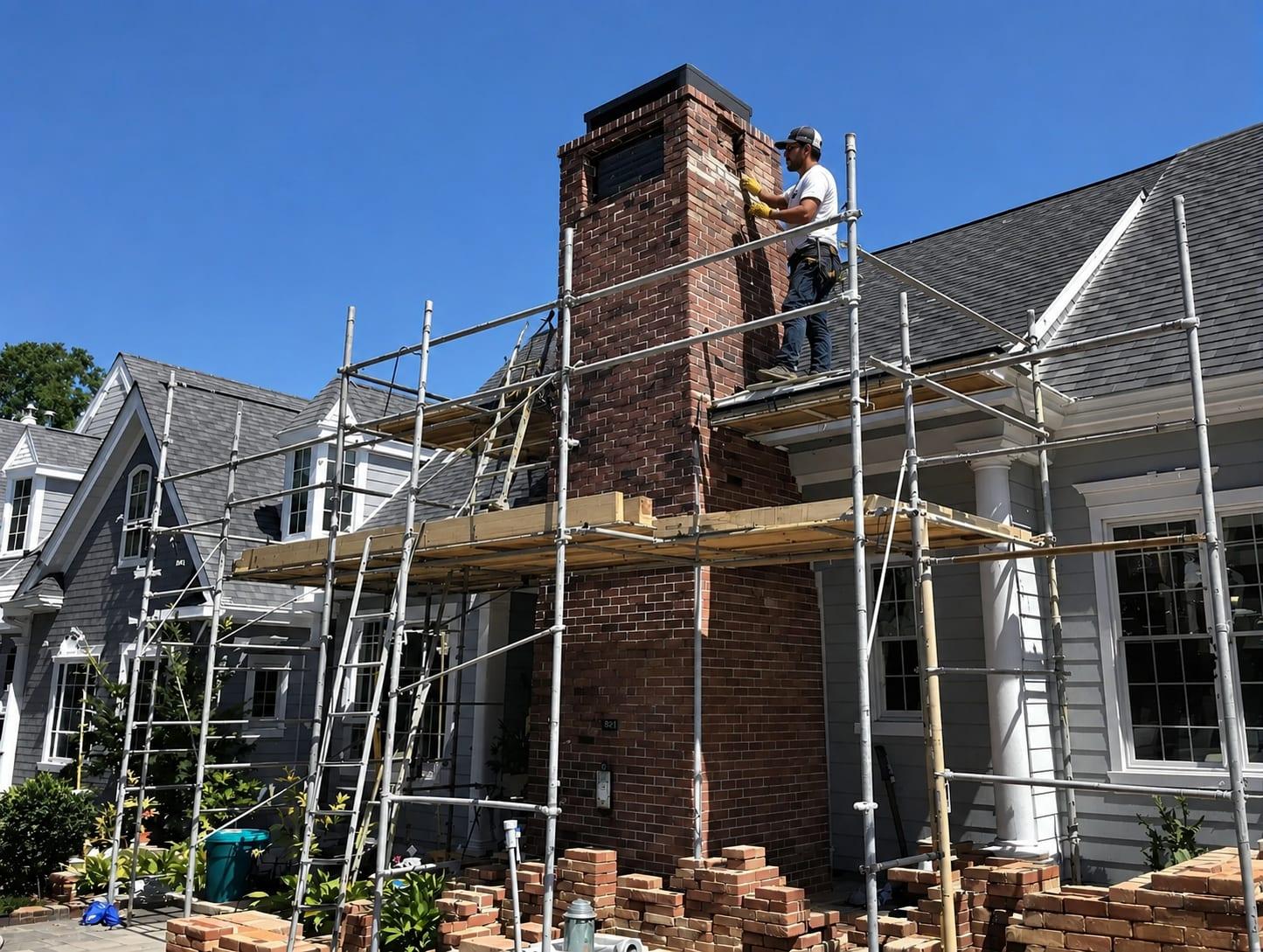
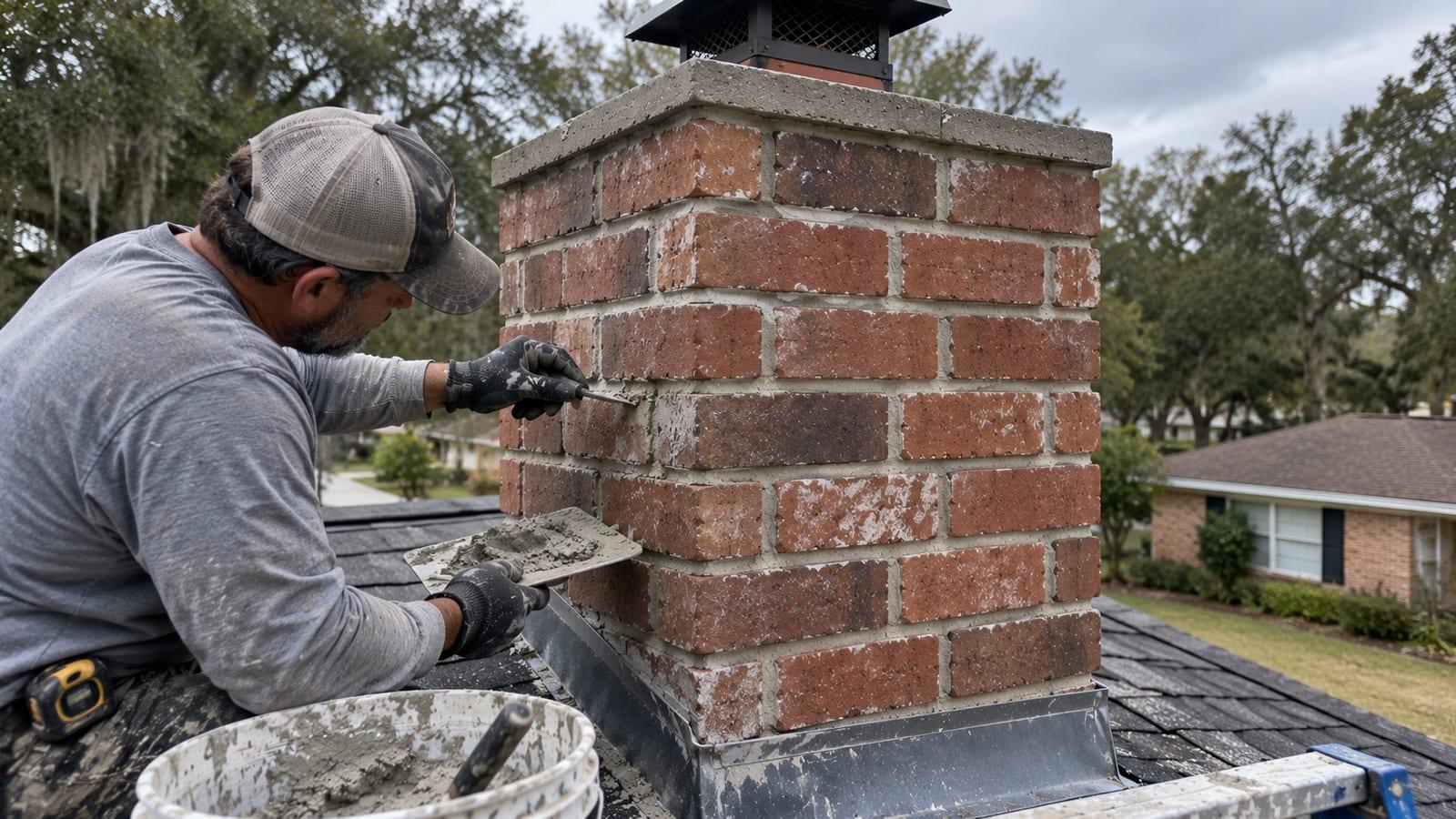
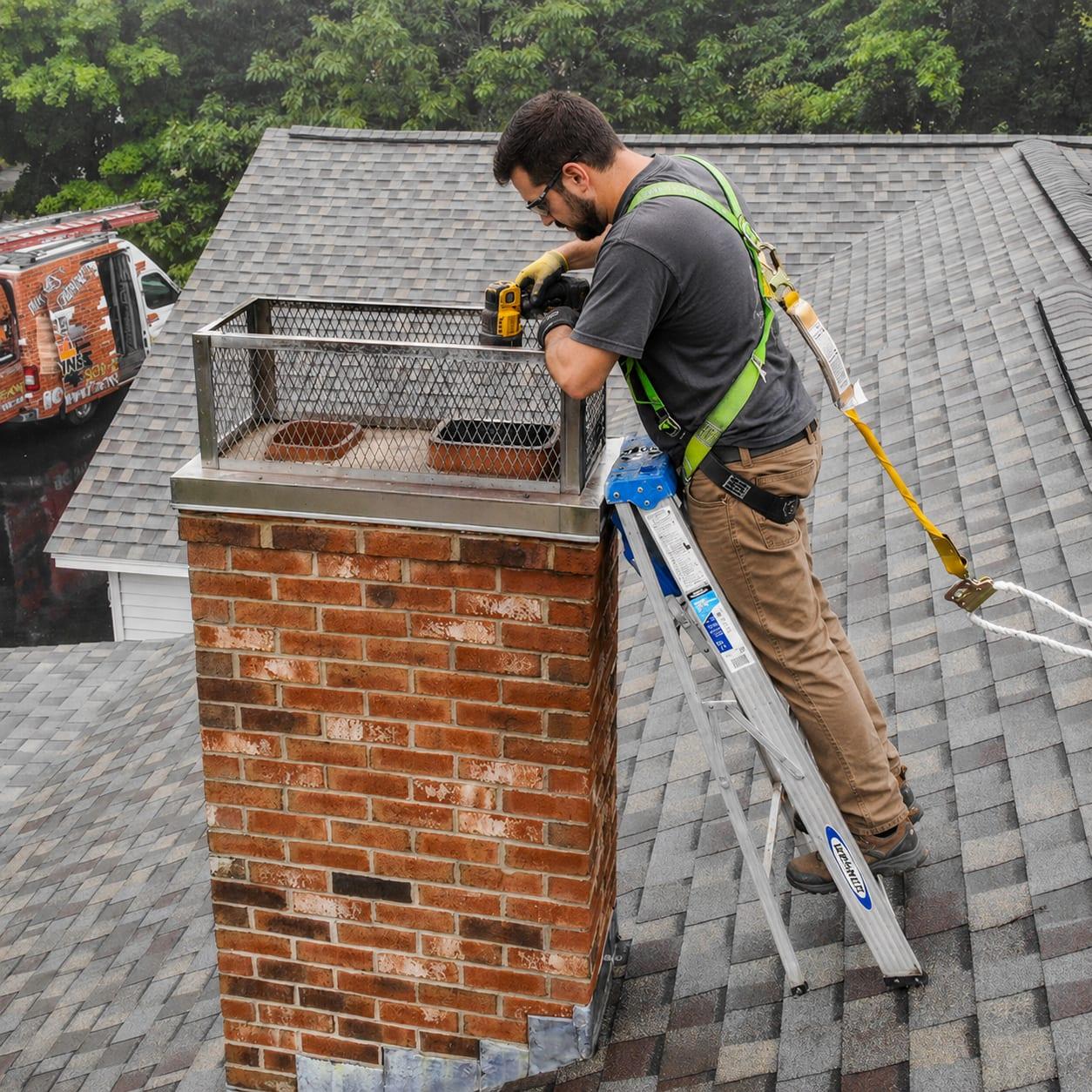
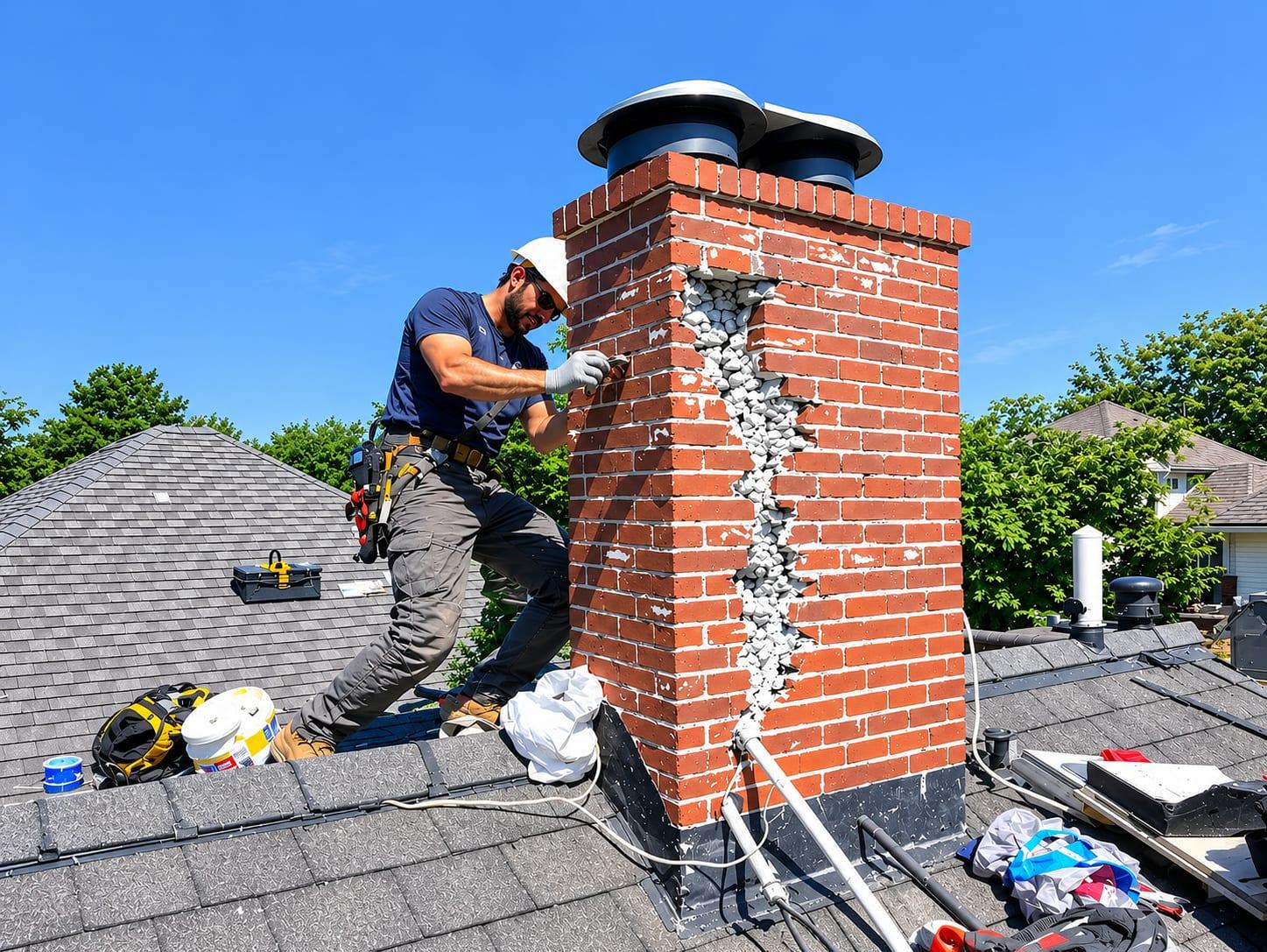
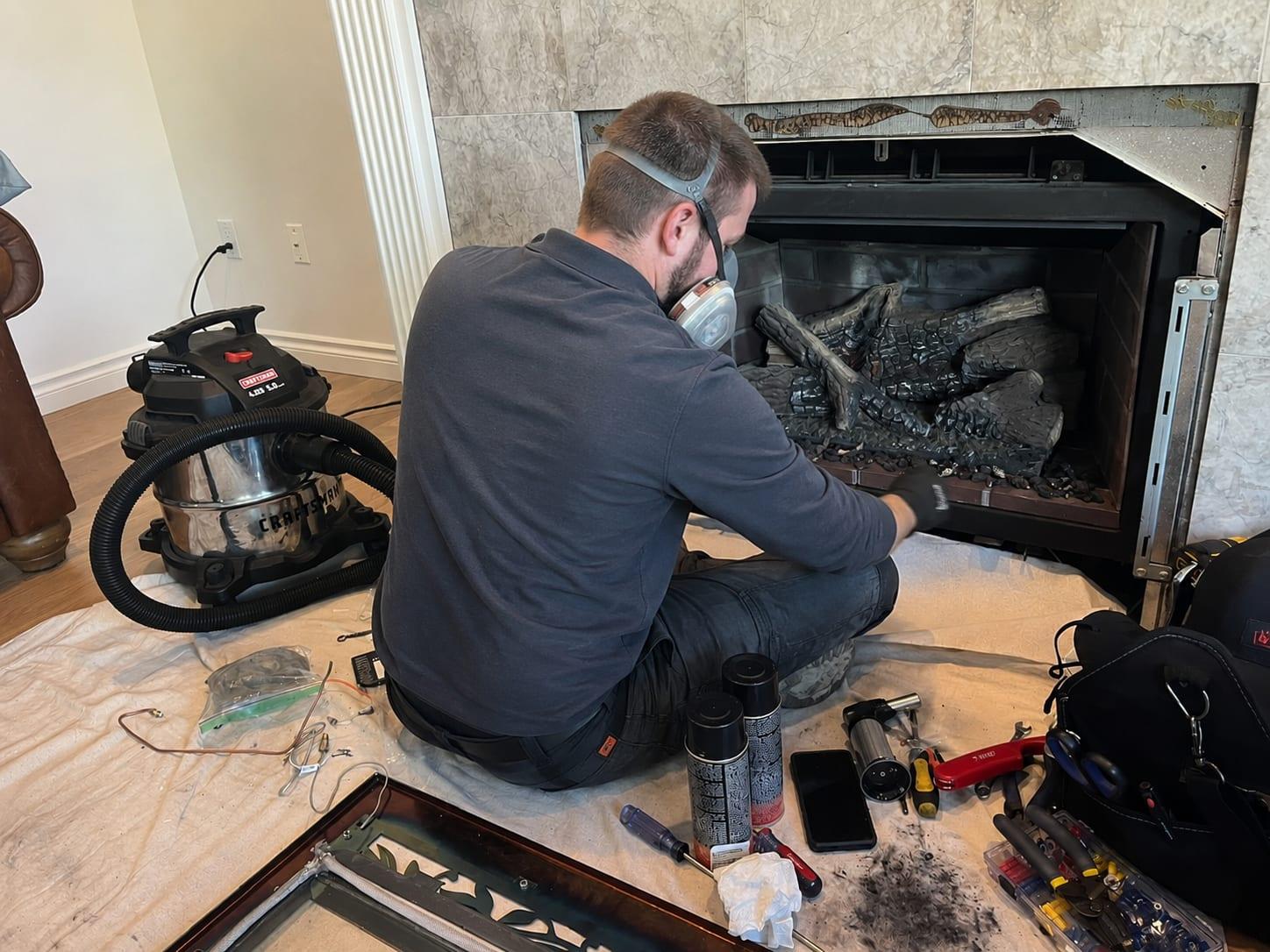
The work falls into four groups. The first is cleaning, from a routine chimney sweep to clearing creosote, nests and blockages. The second is finding out what condition a flue is in, which is where a chimney inspection service comes in. The third is fixing what that inspection turns up, from flashing leaks and crown cracks to damper and liner problems, through our chimney repair work. The fourth is fireplaces and vents: wood-burning and gas fireplace service, inserts and stoves, and dryer vents that need clearing or rerouting.
What census housing data says about Senoia homes
According to the U.S. Census Bureau's American Community Survey 2019–2023 5-year estimates (table B25034, Year Structure Built), about 5% of the housing units in Senoia were built before 1960, and about 5% in 1939 or earlier. Put the other way, roughly 95% of homes in town were built in 1960 or later.
This changes what a visit is likely to involve. Here is what each group of homes usually needs.
- Newer homes: many have factory-built fireplaces, metal flues, chase covers and gas units. These need different attention than an old brick chimney, such as checking the chase top for rust and leaks, confirming gas components work properly, and keeping the dryer vent run clear.
- The small share of older homes: in general, masonry chimneys from that era may have no liner, worn mortar joints or a crown that has cracked over the decades. A look inside the flue before regular use tells you what you have.
- Every home: a fireplace that sits unused for long stretches can collect nests, debris or leftover creosote, whatever the year it was built.
Not sure what kind of chimney you have?
Year built is only a starting point. Additions, replaced fireplaces and converted units are common.
Sources (1)
Facts and figures on this page come from these references.
- 1U.S. Census Bureau, American Community Survey 2019–2023 5-year estimates, table B25034 (Year Structure Built)