Chimney services Stone Mountain homeowners can book
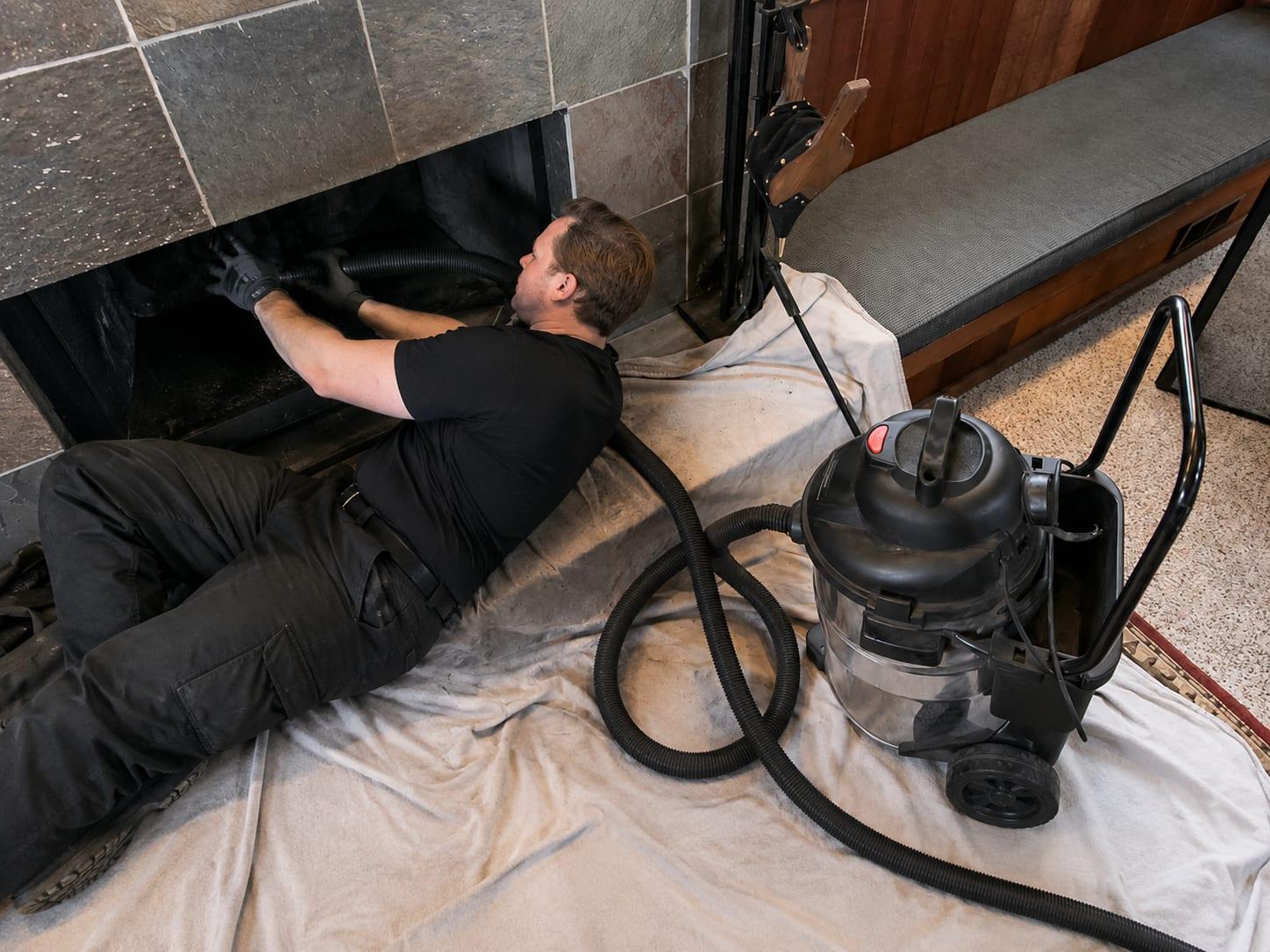
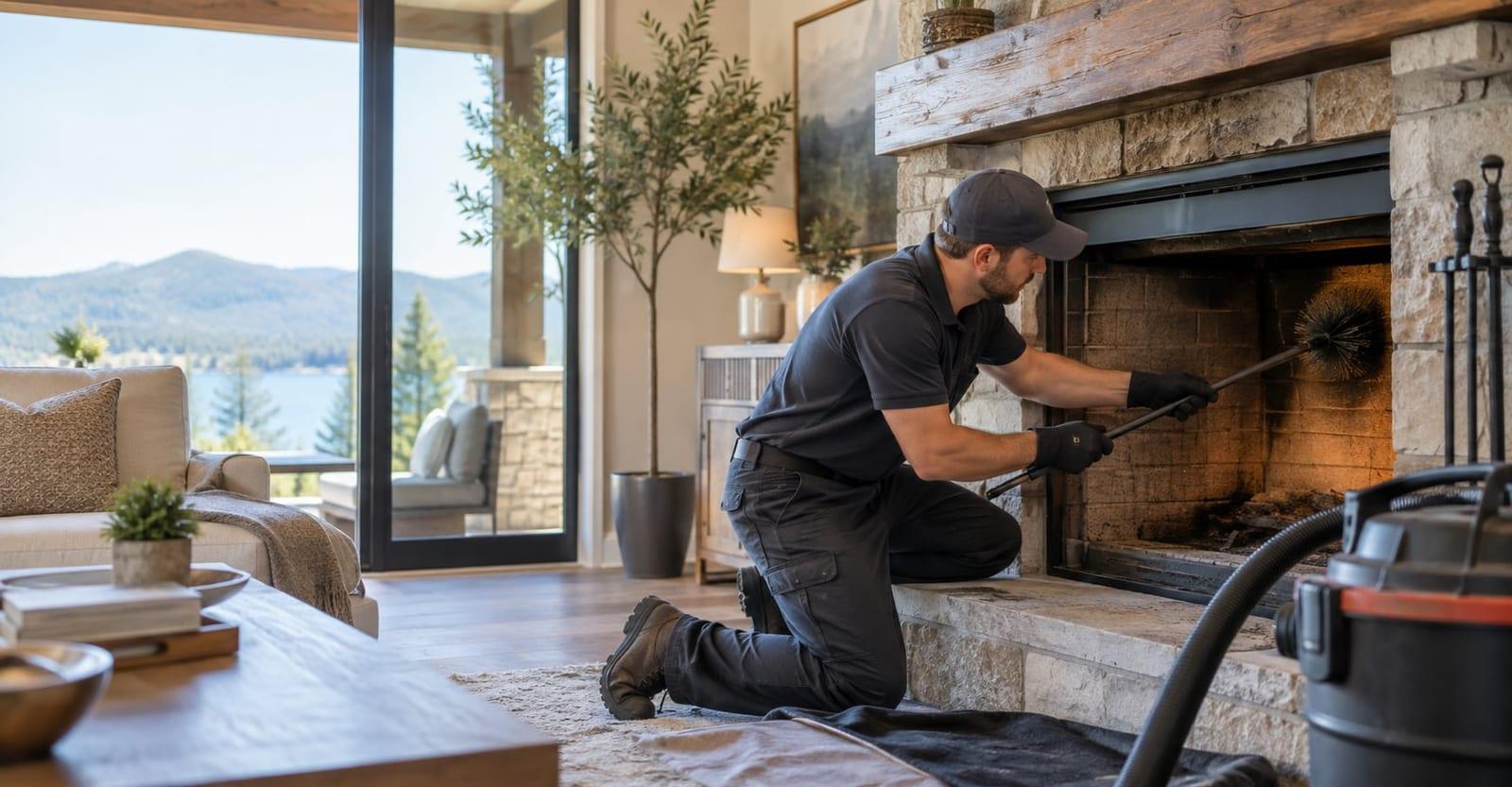
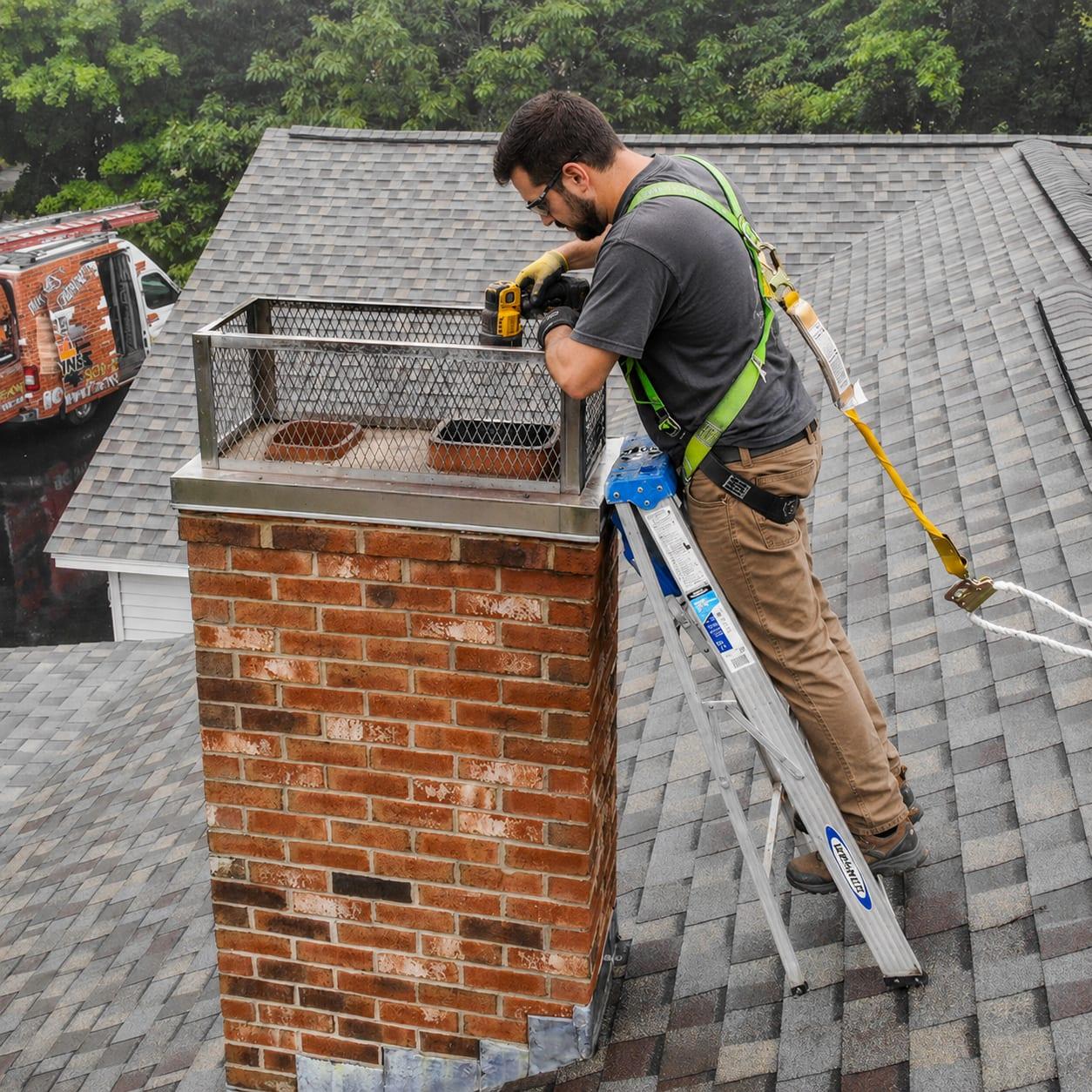
Most calls from Stone Mountain fall into three groups. The first is keeping a chimney safe to use: sweeping, creosote removal and clearing blockages or nests. The second is finding out what condition it is in, through a visual or camera inspection. The third is fixing what turns up, from flashing leaks and crown cracks to liners, dampers and caps. Fireplaces get the same attention, including gas fireplaces and inserts. Dryer vents are handled too.
What the housing-age figures mean for your chimney
According to the U.S. Census Bureau's American Community Survey 2019–2023 5-year estimates (table B25034, Year Structure Built), about 14% of the housing units in Stone Mountain were built before 1960, and about 6% in 1939 or earlier. Most homes in town are newer than that. A meaningful share are old enough that their chimneys have been through decades of use, weather and possibly several changes in heating equipment.
In general, a chimney of that age is worth checking before it is relied on. Mortar joints wear and let water in. A clay liner can crack, or the flue may never have had a liner at all. A flue first built for one kind of appliance may not suit what is connected to it now. None of this shows from the living room, which is why an older house deserves a closer look before the first fire of the season.
Newer homes have their own issues. Many have factory-built fireplaces with metal flues inside a framed chase. On those, the chase cover, cap and seals are the usual weak points.
Inspections for older and newer chimneys
An inspection is the sensible first step if you are not sure when the chimney was last looked at, have just bought the house, or notice odors, staining or poor draft. Our chimney inspection service checks the firebox, damper, smoke chamber, flue, crown, cap and flashing, and tells you plainly what is fine and what is not.
Looking inside the flue with a camera
Cracks, gaps between liner sections and deteriorated mortar often sit well up the flue, out of sight from the firebox or the roof. A camera run through the flue shows those areas without opening walls. It is especially useful on older masonry chimneys, after a chimney fire, and before relining or buying a home. If the flue is heavily coated, a chimney sweep usually comes first so the camera can see the surface underneath.
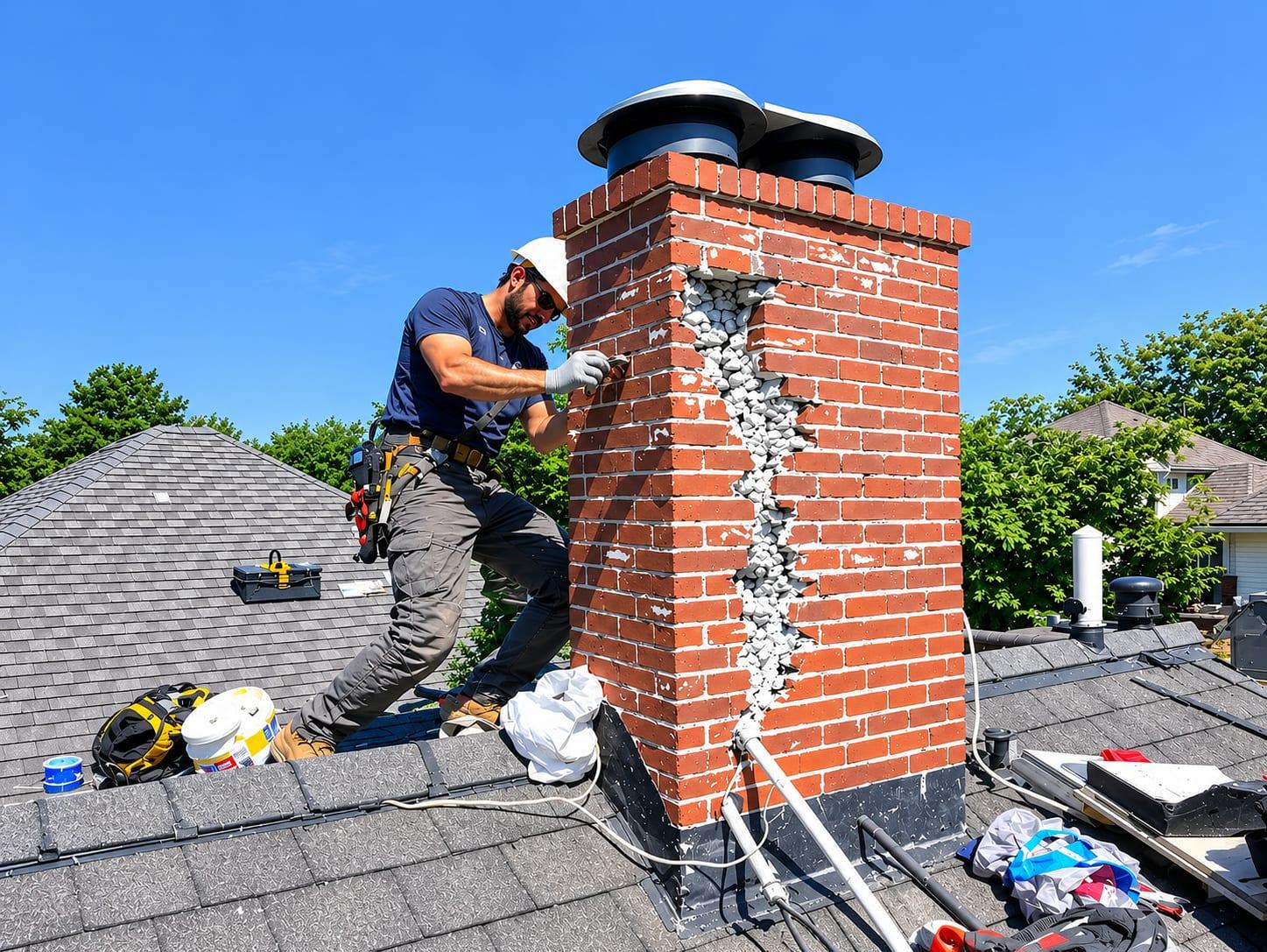
When the inspection finds damage
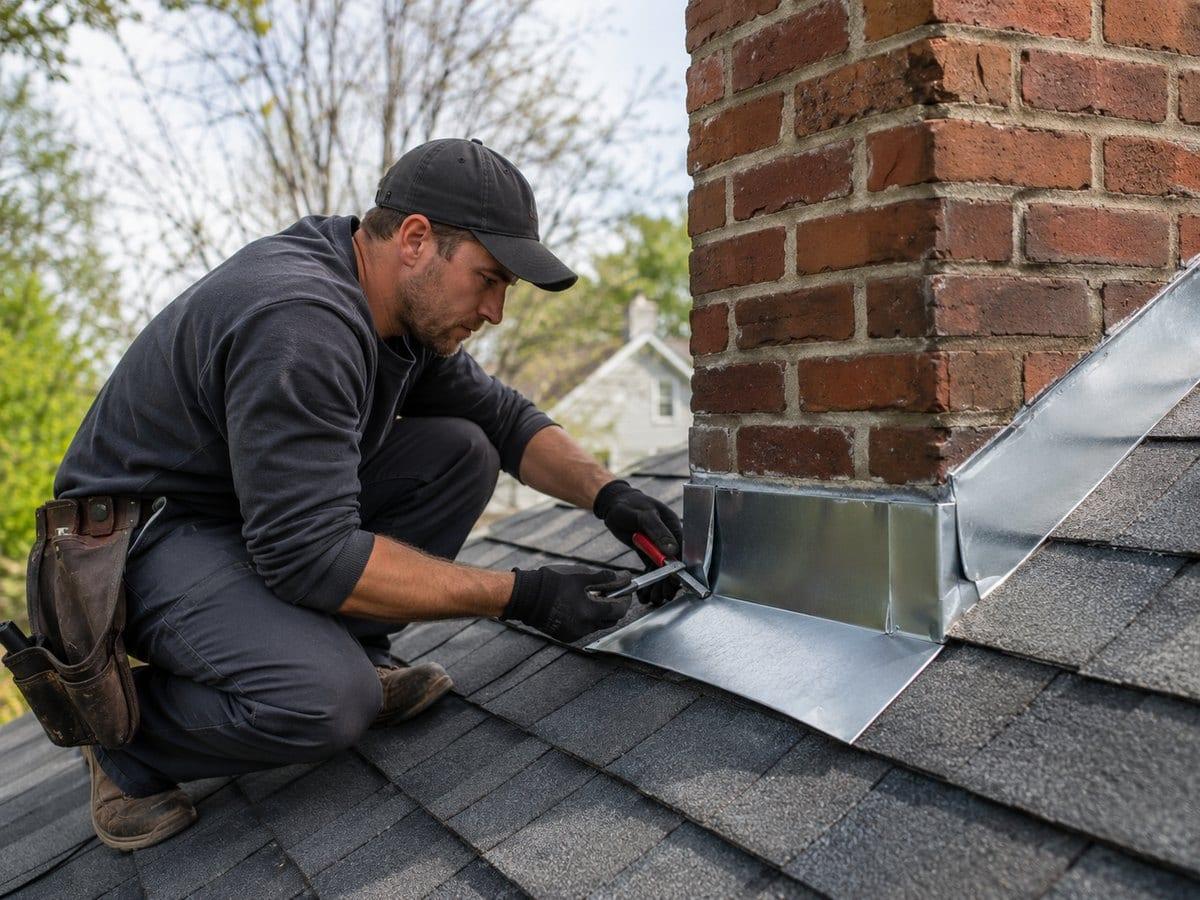
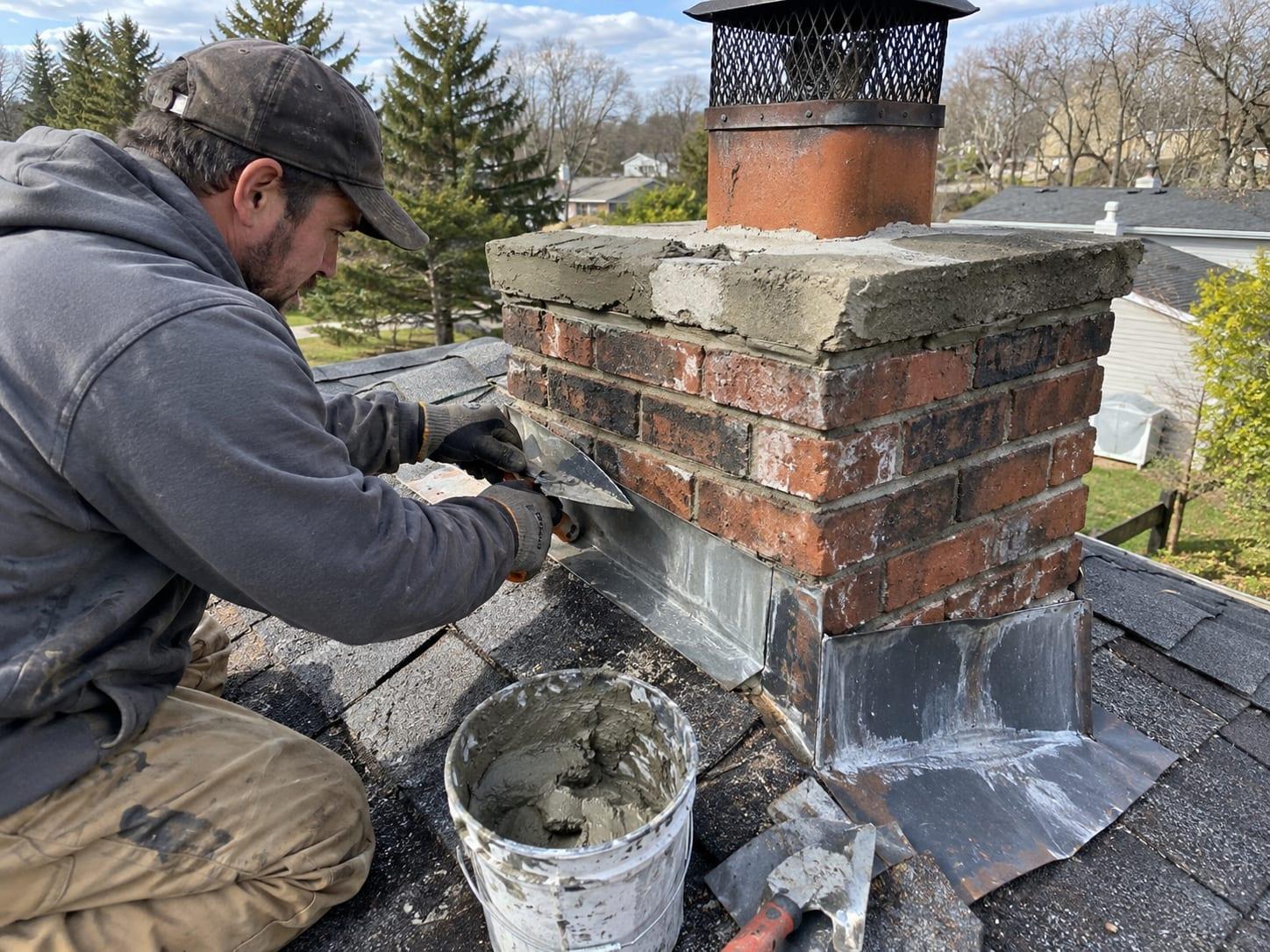
You get an explanation of what was found and what it would take to fix, with a free estimate. Repairs range from flashing, crown and cap work to tuckpointing, liner installation and rebuilding. You can read more about how chimney repair works before deciding.
Dryer vent inspection and airflow testing
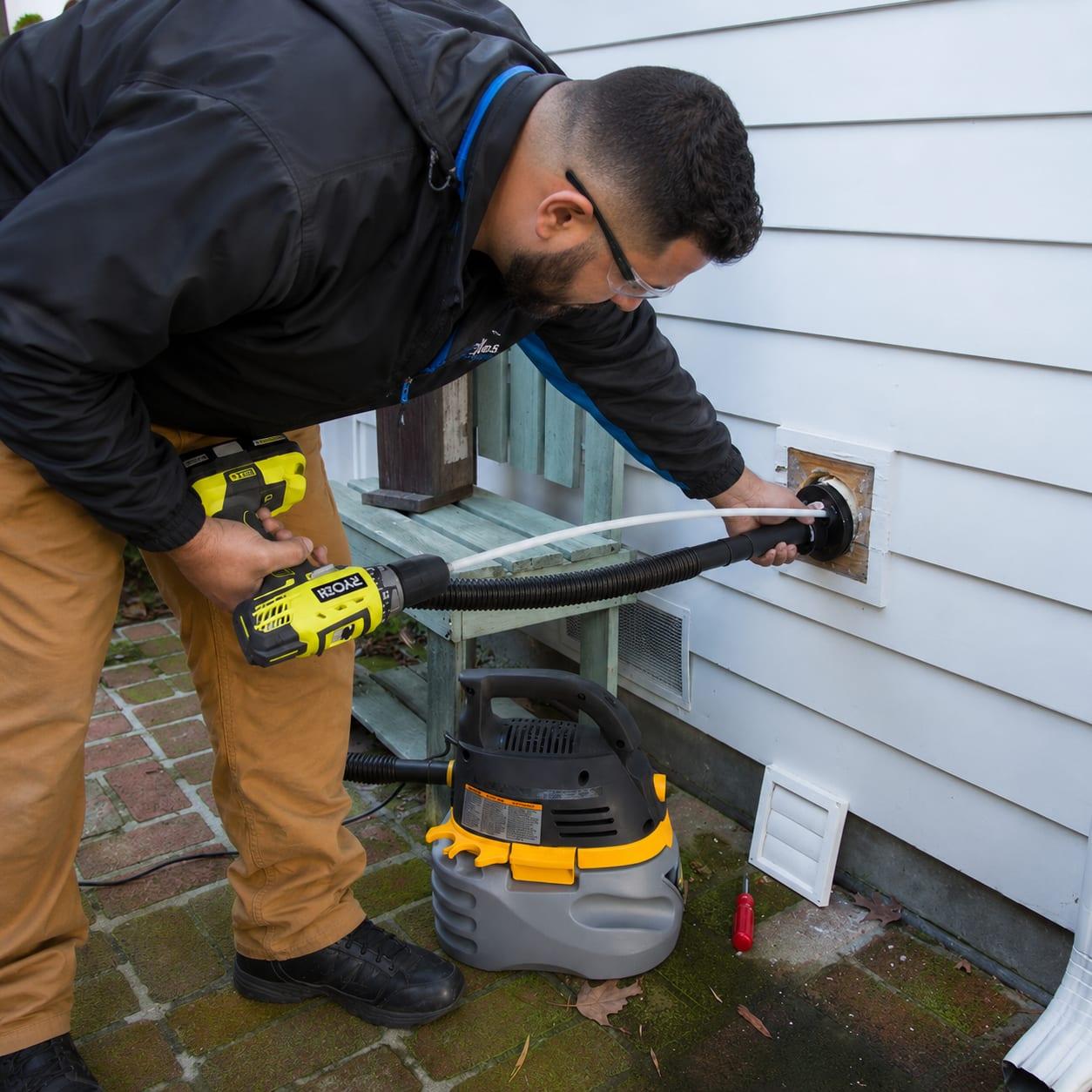
A dryer that takes two cycles to dry a load, a laundry room that runs hot, or lint collecting around the outside hood are common signs of a restricted vent. An inspection with airflow testing shows whether the run is clogged, crushed, disconnected or simply too long. That points to the right fix, whether it is cleaning, repairing a damaged section, replacing the cover or rerouting the vent. Rental owners and property managers can arrange this work too.
Free estimates
Get in touch to request an estimate for chimney, fireplace or dryer vent work at your Stone Mountain home or business.
Sources (1)
Facts and figures on this page come from these references.
- 1U.S. Census Bureau, American Community Survey 2019–2023 5-year estimates, table B25034 (Year Structure Built)