Chimney services Sugar Hill homeowners can book
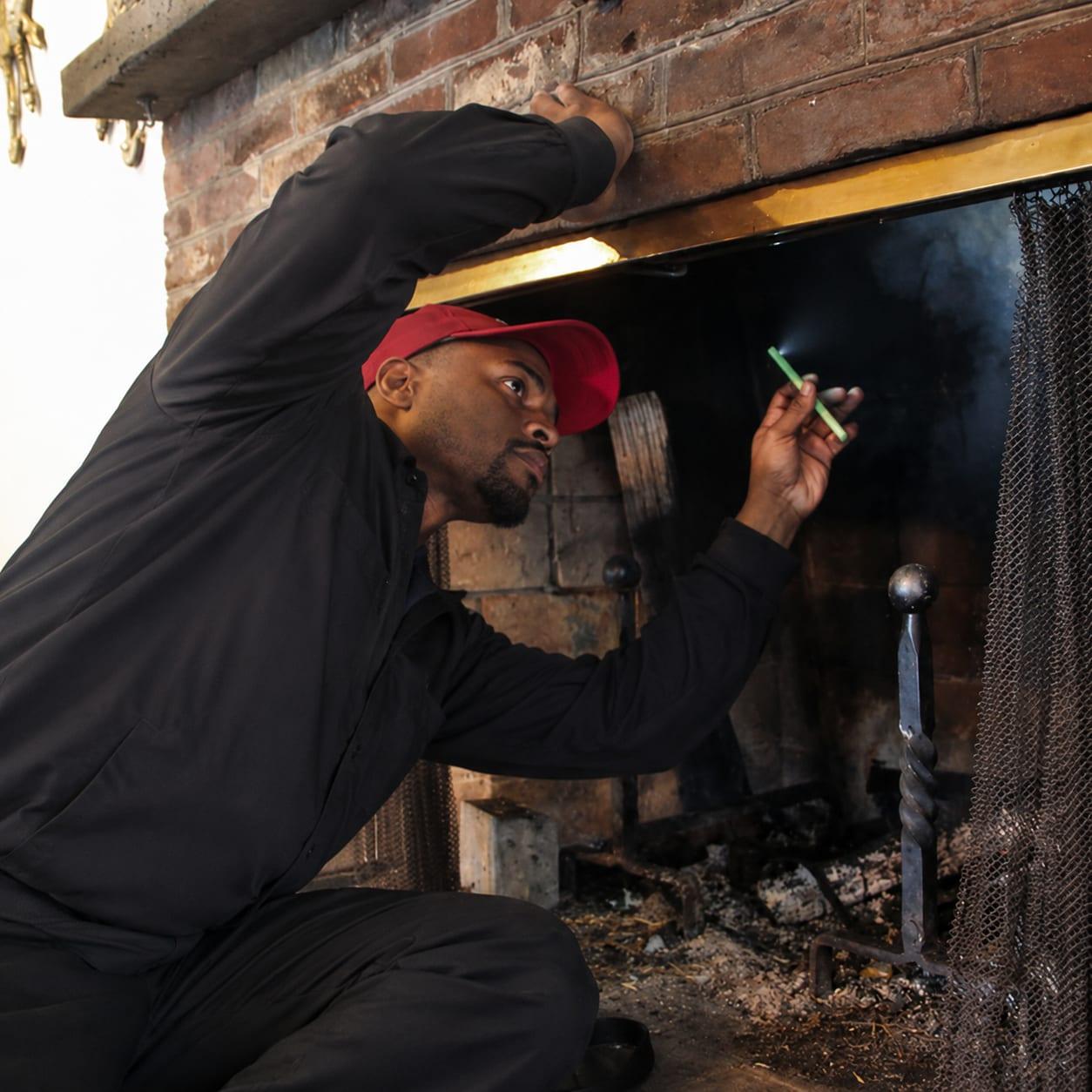
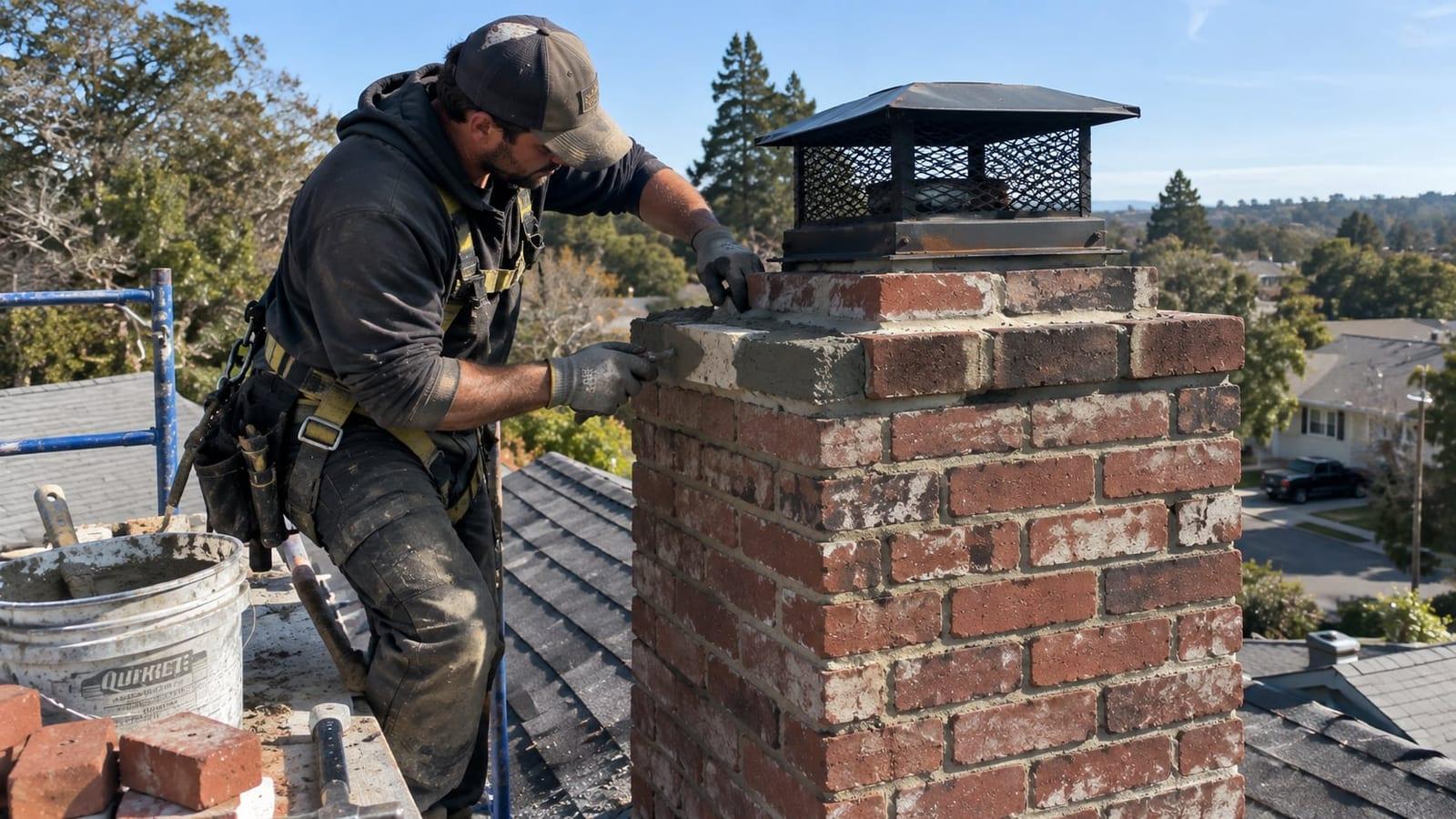
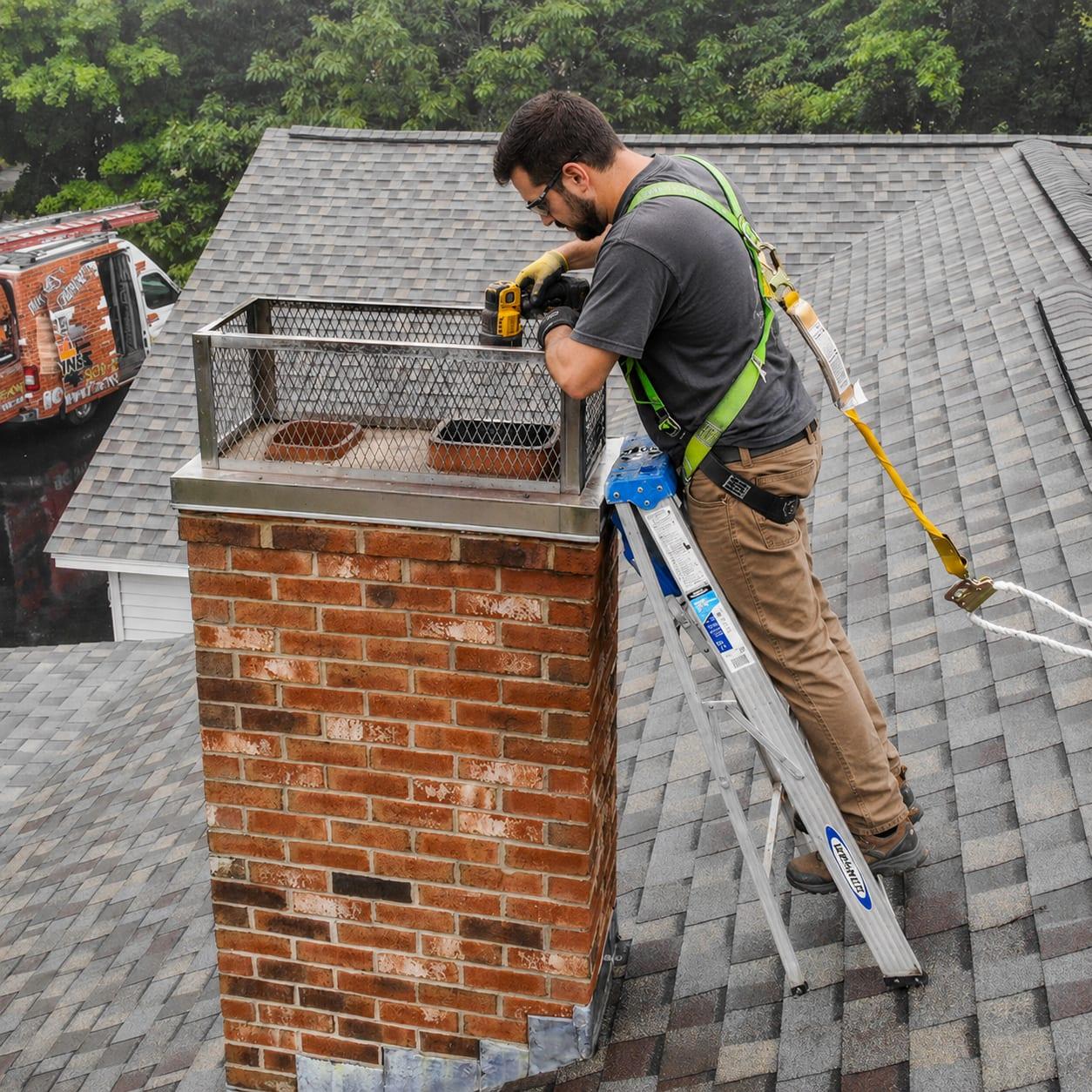
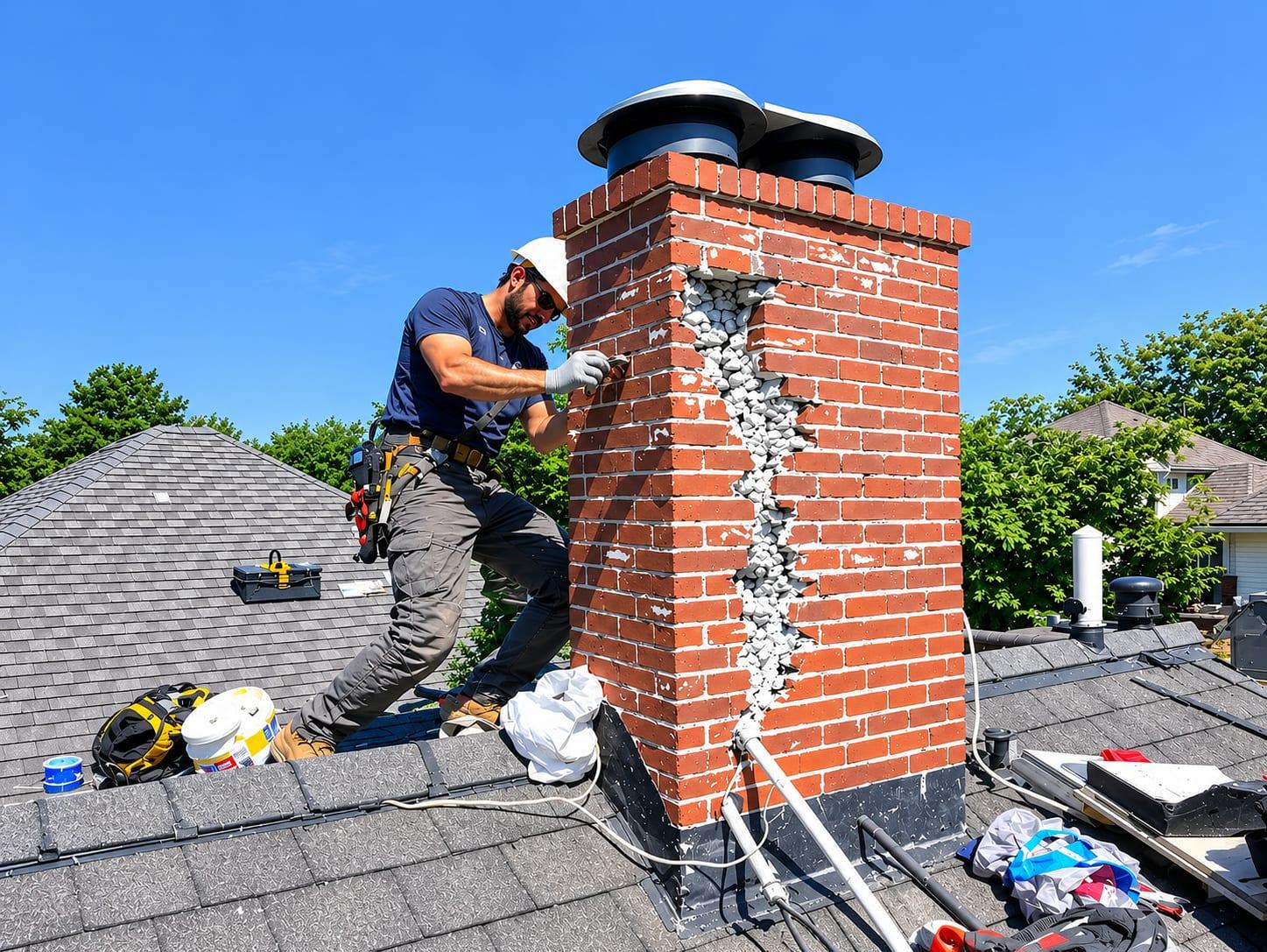
We handle the whole system above and around the hearth. A chimney sweep that clears soot and creosote from the flue is the usual starting point. A chimney inspection of the flue, liner, crown and cap tells you what condition everything is in. When something is cracked, leaking or worn out, we do the chimney repair work on masonry, flashing, crowns and liners.
Inside the house, we clean and repair wood-burning fireplaces, inserts and stoves, and we service, repair and install gas fireplaces and gas logs. Dryer vents are part of the same work: cleaning, airflow testing, clearing blockages and rerouting runs that are too long or badly kinked.
What the age of Sugar Hill's housing means for your chimney
About 4% of the housing units in Sugar Hill were built before 1960, according to the U.S. Census Bureau's American Community Survey 2019–2023 5-year estimates (table B25034, Year Structure Built). Put the other way, roughly 96% of homes in town were built in 1960 or later.
For most Sugar Hill homeowners, then, the useful question is what kind of fireplace and chimney the house has, not whether the house is old. Nationwide, homes from recent decades often have factory-built (prefab) fireplaces with a metal flue inside a framed chase. Older homes are more likely to have a solid masonry chimney. Each type wears out in its own way.
| Feature | Factory-built (prefab) | Masonry |
|---|---|---|
| Where it usually fails first | Rusted chase cover or cap that lets water into the chase | Cracked crown and eroded mortar joints |
| Common leak point | Seams in the chase cover and siding around the chase | Flashing where the chimney meets the roof |
| Inside the fireplace | Cracked refractory panels, a warped damper, damaged glass doors | Gaps in the firebox brick, a deteriorated smoke chamber |
| Flue | Metal sections that can separate or corrode | Clay tile liner that can crack, or no liner at all |
Where it usually fails first
- Factory-built (prefab)
- Rusted chase cover or cap that lets water into the chase
- Masonry
- Cracked crown and eroded mortar joints
Common leak point
- Factory-built (prefab)
- Seams in the chase cover and siding around the chase
- Masonry
- Flashing where the chimney meets the roof
Inside the fireplace
- Factory-built (prefab)
- Cracked refractory panels, a warped damper, damaged glass doors
- Masonry
- Gaps in the firebox brick, a deteriorated smoke chamber
Flue
- Factory-built (prefab)
- Metal sections that can separate or corrode
- Masonry
- Clay tile liner that can crack, or no liner at all
If your home is one of the older ones
In a house built before 1960, the chimney may have outlasted several roof replacements and decades of mortar wear. A camera look down the flue is the most reliable way to see whether the liner is intact before you light a fire or connect a new insert or gas appliance.
Not sure which kind you have?
A metal box-shaped chimney clad in siding usually means a factory-built system. A brick or stone stack that runs through the house usually means masonry. If it's hard to tell from the yard, we can identify it during an inspection.
Sources (1)
Facts and figures on this page come from these references.
- 1U.S. Census Bureau, American Community Survey 2019–2023 5-year estimates, table B25034 (Year Structure Built)