The short answer: keep lint moving out, not building up
A dryer pushes hot, damp, lint-filled air through a duct to the outside. When lint collects in the filter housing, the duct or the exterior hood, airflow drops, the dryer runs hotter and longer, and the lint itself becomes fuel sitting next to a heat source. The most important dryer vent safety tips are simple: clean the lint filter every load, have the full vent run cleaned about once a year, use rigid or semi-rigid metal duct, and pay attention when drying times start to creep up.
Everyday habits that make the biggest difference
- Empty the lint filter before or after every load, not just when it looks full.
- Wash the lint screen with warm, soapy water every few months. Dryer sheet residue can clog the mesh even when it looks clean.
- Keep the area around and behind the dryer clear of boxes, laundry piles and cleaning supplies. Unplug the dryer first, and on a gas dryer turn off its gas valve.
- Avoid running the dryer when nobody is home or awake to notice a problem.
- Don't overload the drum. Packed loads take longer and restrict airflow.
- If you have a gas dryer, keep a working carbon monoxide alarm on the same floor.
Why these tips matter
Lint is light, dry and burns easily. The filter catches most of it, but some always slips past and settles in the duct, especially at bends, low spots and joints. Over months that layer narrows the passage. The dryer's high-limit safety switches are designed as a backstop, not as a reason to skip cleaning.
Restricted airflow also wastes time and energy. One of the first symptoms people notice is that clothes take two or three cycles to dry, which usually points to a vent problem before it points to the dryer itself.
A maintenance schedule you can actually follow
| Task | How often | Who usually does it |
|---|---|---|
| Empty the lint filter | Every load | You |
| Wash the lint screen | Every few months, or when water beads on it instead of passing through | You |
| Check that the outside vent flap opens while the dryer runs | Every few months | You |
| Vacuum lint from behind, under and around the dryer | A few times a year | You |
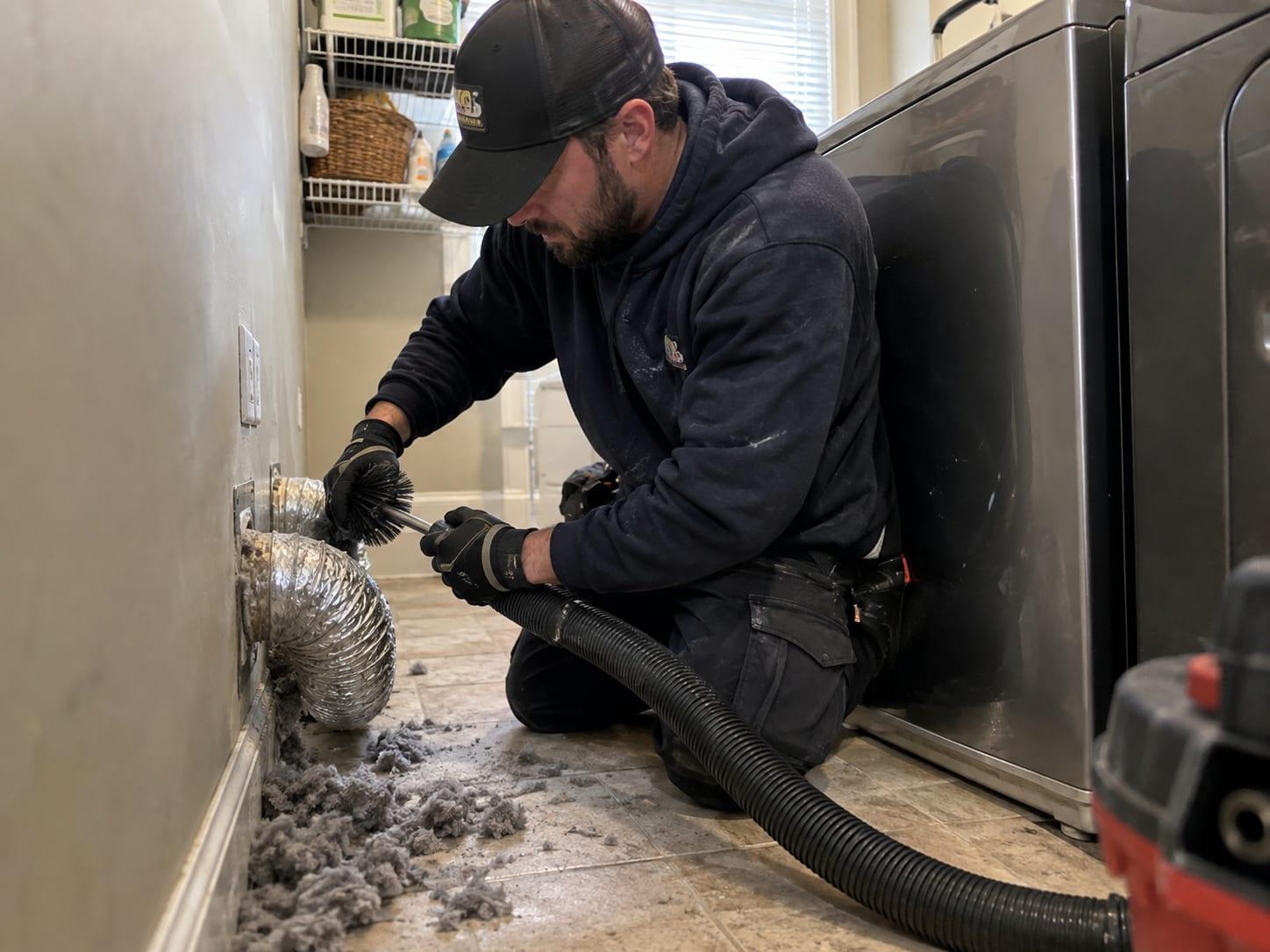
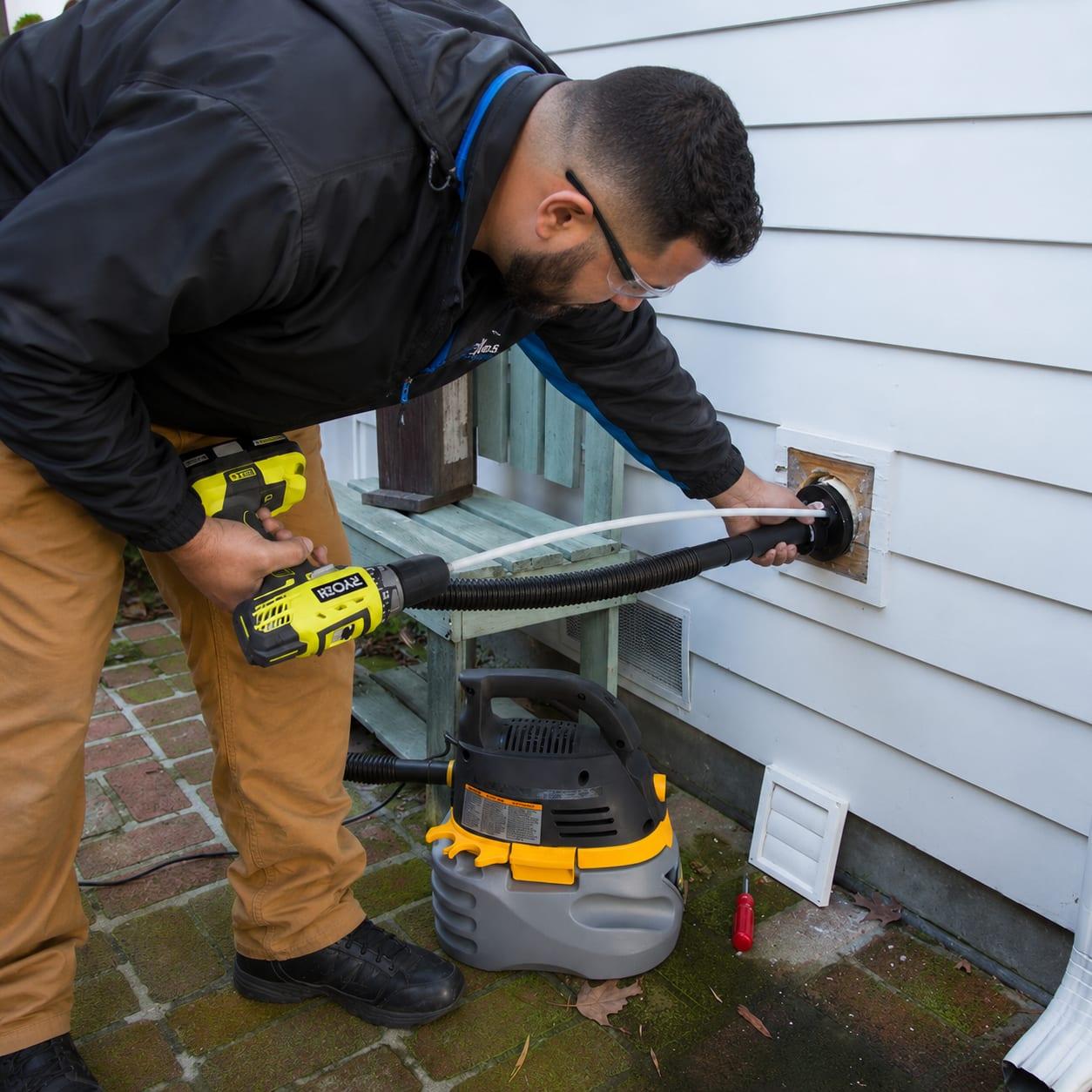
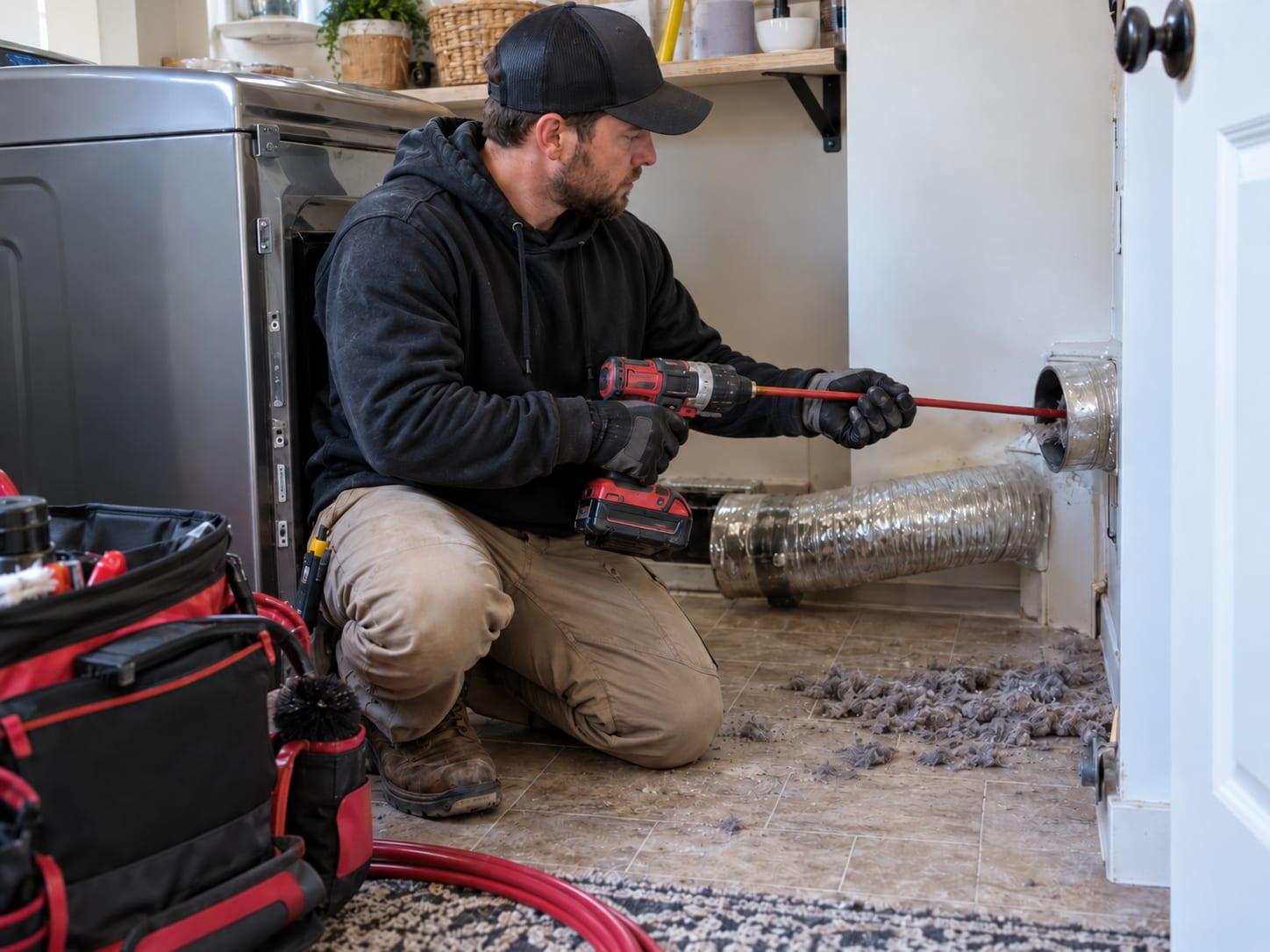
| Clean the full duct run from dryer to exterior | About once a year; more often with heavy use or a long run | A professional, or a careful homeowner with the right tools |
| Check the duct for crushing, disconnection or damage | Whenever the dryer is moved, and at each cleaning | A professional, or you if the duct is accessible |
Duct material: what belongs behind your dryer
| Feature | Foil or plastic accordion duct | Rigid or semi-rigid metal duct |
|---|---|---|
| Lint buildup | Ridges trap lint along the whole length | Smooth or lightly ribbed walls let lint pass through |
| Crushing and kinking | Easily flattened behind the dryer | Holds its shape much better |
| Heat and fire resistance | Plastic can melt; thin foil can tear | Metal contains heat and flame better |
| Typical guidance | Generally discouraged by dryer manufacturers | The usual recommendation for the connector and the run inside walls |
Lint buildup
- Foil or plastic accordion duct
- Ridges trap lint along the whole length
- Rigid or semi-rigid metal duct
- Smooth or lightly ribbed walls let lint pass through
Crushing and kinking
- Foil or plastic accordion duct
- Easily flattened behind the dryer
- Rigid or semi-rigid metal duct
- Holds its shape much better
Heat and fire resistance
- Foil or plastic accordion duct
- Plastic can melt; thin foil can tear
- Rigid or semi-rigid metal duct
- Metal contains heat and flame better
Typical guidance
- Foil or plastic accordion duct
- Generally discouraged by dryer manufacturers
- Rigid or semi-rigid metal duct
- The usual recommendation for the connector and the run inside walls
Two installation details matter as well. Duct joints should be sealed with foil tape or clamps rather than screws that poke into the airflow and snag lint. And every manufacturer sets a maximum vent length, with each elbow reducing it, so a long or winding route may need more frequent cleaning or a better layout.
Warning signs worth acting on
What you might notice and what it usually means
01Long drying times
- What you may notice
- Normal loads need more than one cycle, or towels stay damp.
- How it’s confirmed
- Airflow is measured at the exterior hood with the dryer running, then the duct is checked for lint or a blockage.
02Dryer or laundry room feels unusually hot
- What you may notice
- The top of the dryer or the clothes are very hot; the room gets humid.
- How it’s confirmed
- The full duct run is cleaned and the connection behind the dryer is checked for a disconnect or crush. Unplug the dryer first, and on a gas dryer turn off its gas valve.
03Outside flap barely opens
- What you may notice
- The hood flap stays shut or flutters weakly while the dryer runs; lint collects around it.
- How it’s confirmed
- The hood is cleared of lint or nesting material, and a stuck or broken cover is replaced.
04Burning smell
- What you may notice
- A hot or scorched odor during or after a cycle.
- How it’s confirmed
- Stop using the dryer until the vent and dryer connection have been checked and cleaned.
If you smell burning
Turn the dryer off and don't restart it until the vent has been checked. If you see smoke or flames, leave the house and call 911.
Deciding between doing it yourself and calling for help
Homeowners can handle the filter, the lint screen, the area around the dryer and a short, easy-to-reach connector duct. A full cleaning gets harder when the vent runs through walls or ceilings, exits on the roof, or has several turns. In those cases a brush kit can push lint deeper or leave a section disconnected inside a wall.
- If the run is short and straight and you can see both ends, a careful DIY cleaning is reasonable.
- If drying times stay long after cleaning, a vent inspection with airflow testing can show whether something is still restricting the duct.
- If the duct is crushed, disconnected, made of foil or plastic, or routed poorly, replacing or rerouting the vent duct solves the cause instead of the symptom.
- If it's simply been more than a year, or you can't reach the full run, a professional dryer vent cleaning covers the whole path from the dryer to the outside.
When you want a hand with any of this, our team cleans, inspects, repairs and reroutes dryer vents, and estimates are free.