The short answer
The electric vs gas fireplace decision comes down to what you want the fireplace to do. An electric unit is mostly about the look of a fire, with some supplemental warmth. It needs no gas line, no venting and almost no maintenance. A gas fireplace burns real fuel. It produces a genuine flame and more meaningful heat, but it brings combustion, venting and safety checks with it.
If ambiance and easy placement matter most, electric usually wins. If you want a fire you can feel across the room, and possibly one that works when the power is out, gas is usually the better fit.
How the two compare
| Feature | Electric | Gas |
|---|---|---|
| Flame | Simulated flame from LEDs, light and mist or reflective effects | Real flame from burning natural gas or propane |
| Heat | Supplemental warmth from a built-in heater; the flame effect can often run without heat | Ranges from decorative to strong heat, depending on the unit's rating |
| Venting | None, because nothing burns | Required for direct-vent and B-vent units; vent-free units have strict room and use limits |
| What the install needs | An outlet, or a dedicated circuit for larger built-in units | A gas supply line, a vent path and proper clearances |
| During a power outage | Does not work | Some models can still light; blowers and some electronic ignitions will not run |
| Routine upkeep | Dusting, occasional bulb or part replacement | An annual inspection, plus cleaning of glass, burner and logs |
| Placement | Walls, inserts, media consoles, bedrooms and more | Limited to locations where gas and venting can reach |
| Main safety concern | Electrical load and keeping clearances from the heater outlet | Carbon monoxide, gas leaks and hot glass |
Flame
- Electric
- Simulated flame from LEDs, light and mist or reflective effects
- Gas
- Real flame from burning natural gas or propane
Heat
- Electric
- Supplemental warmth from a built-in heater; the flame effect can often run without heat
- Gas
- Ranges from decorative to strong heat, depending on the unit's rating
Venting
- Electric
- None, because nothing burns
- Gas
- Required for direct-vent and B-vent units; vent-free units have strict room and use limits
What the install needs
- Electric
- An outlet, or a dedicated circuit for larger built-in units
- Gas
- A gas supply line, a vent path and proper clearances
During a power outage
- Electric
- Does not work
- Gas
- Some models can still light; blowers and some electronic ignitions will not run
Routine upkeep
- Electric
- Dusting, occasional bulb or part replacement
- Gas
- An annual inspection, plus cleaning of glass, burner and logs
Placement
- Electric
- Walls, inserts, media consoles, bedrooms and more
- Gas
- Limited to locations where gas and venting can reach
Main safety concern
- Electric
- Electrical load and keeping clearances from the heater outlet
- Gas
- Carbon monoxide, gas leaks and hot glass
Electric fireplaces: what you're actually getting
An electric fireplace is a heater and a lighting effect in one housing. Because nothing burns, it adds no combustion gases to the room and needs no chimney or vent. That's why electric units turn up in places a gas fireplace can't go, such as an interior wall, a bedroom or a condo without a gas line.
- Plug-in units are the simplest option, but their heat is limited by what a standard household outlet can safely supply.
- Built-in and wall-mounted units look more like a real fireplace and may need a dedicated circuit. Planning that ahead is part of how electric fireplace installation works.
- Electric inserts slide into an existing firebox and give an unused masonry fireplace a working flame effect without any burning.
The tradeoff is the heat and the realism. Modern flame effects are convincing, but they are still an effect, and the warmth is best thought of as taking the chill off a room.
Gas fireplaces: what comes with real flame
If you smell gas
Leave the building right away. Don't use light switches, phones or any flame inside. Once you're outside, call the gas utility or 911.
A gas fireplace gives you real fire at the push of a button, with no wood to haul and no ash to clean. Heat output varies widely between models. Some are mainly decorative, while others are built to heat a living space. The type of venting shapes where a unit can go and how it behaves.
- Direct-vent units are sealed behind glass. They draw outside air in and send exhaust out through a dedicated vent.
- B-vent (natural vent) units send exhaust up through a vertical flue and use room air for combustion.
- Vent-free units release their combustion products into the room. Manufacturers set strict limits on room size and run time for them.
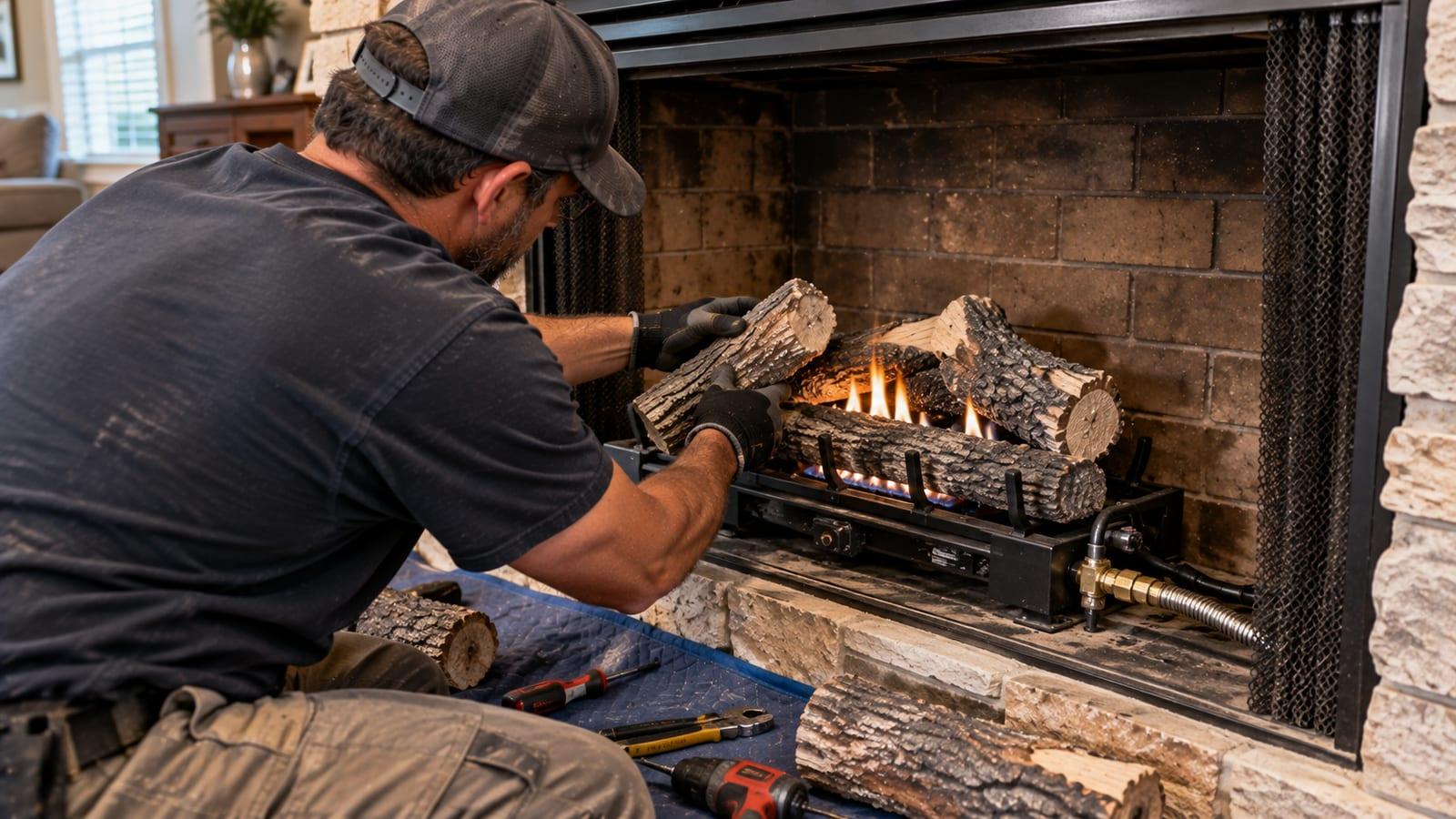
- Gas logs go into an existing fireplace and are typically used for looks more than heat.
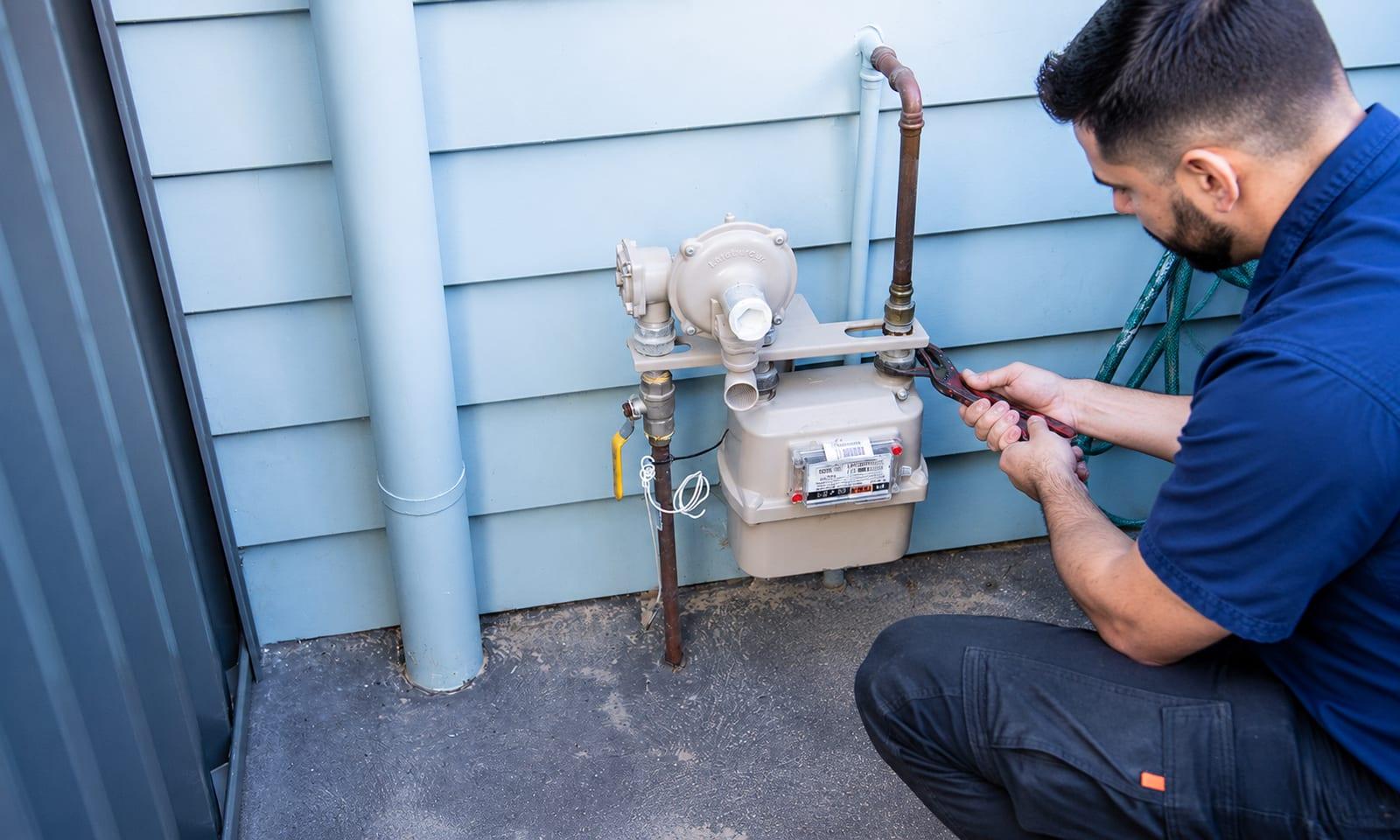
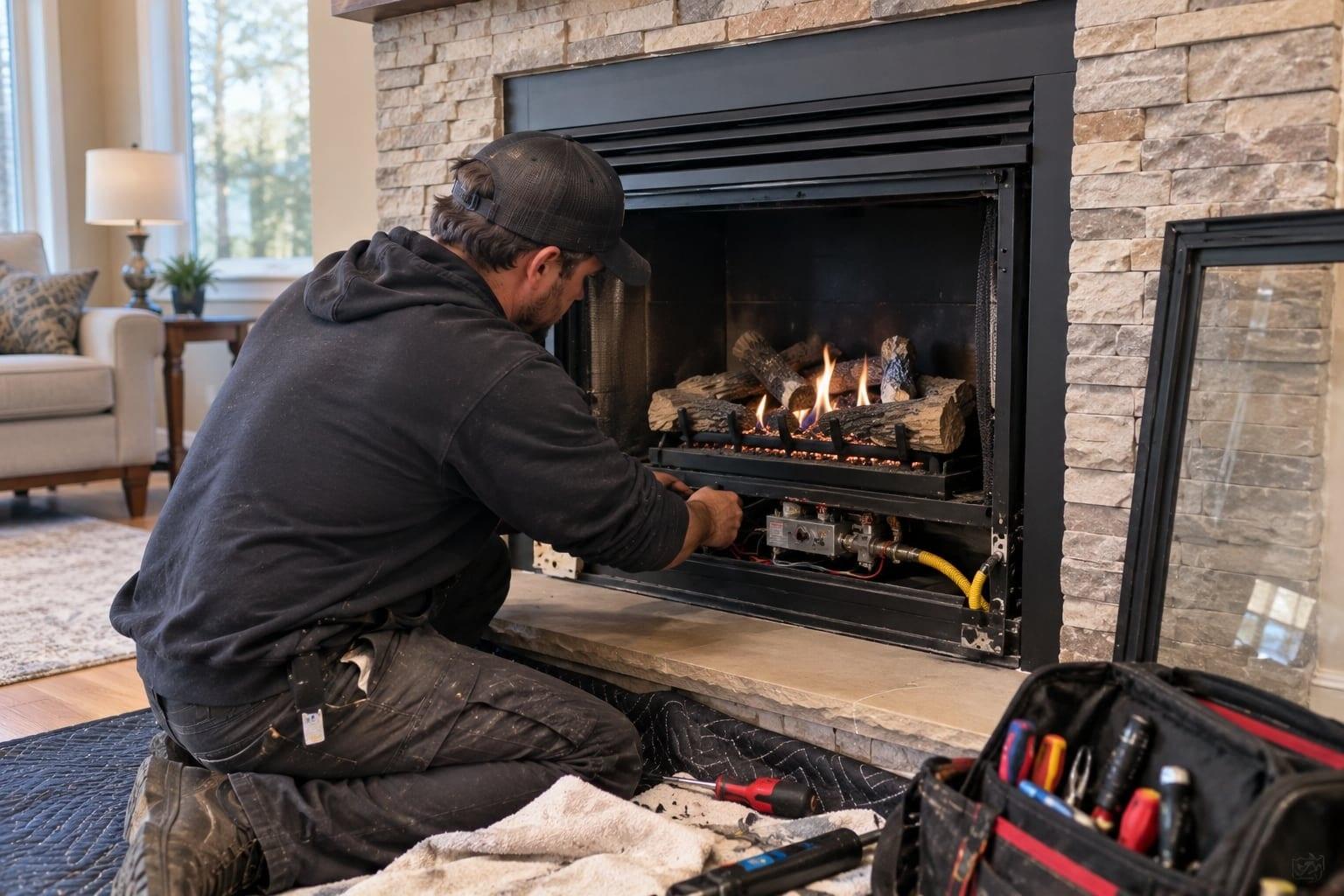
Running a gas line and routing a vent are the parts of having a gas fireplace installed that decide whether your chosen spot will work. After installation, plan on a yearly check of the burner, valve, venting and safety controls. A yearly gas fireplace inspection covers that, and what a gas fireplace safety inspection covers explains each part.
Gas units also have their own common problems. Owners usually run into one of two things: a gas fireplace that won't light, or glass that turns cloudy on a gas unit. Knowing the signs a gas fireplace needs cleaning helps you stay ahead of both.
What helps you decide
Questions to answer before you choose
- Do you want real flame, or is a convincing effect enough?
- Is the fireplace for ambiance, or do you want it to heat the room?
- Is there a gas line nearby, and can a vent reach the outside from the spot you have in mind?
- Would you like heat or flame during a power outage?
- How much routine upkeep are you willing to schedule each year?
- Is the room small or closed off enough that vent-free gas would be ruled out?
- Are there children or pets who will be near hot glass or a heater outlet?
- Do you already have a fireplace or chimney that could take an insert or gas logs?
When there's already a fireplace in the room
An existing wood-burning fireplace opens up both paths. It can take an electric insert, gas logs or a gas insert vented through the existing chimney. The chimney's condition matters for the gas options, so have it checked before you commit to one.
We install both electric and gas fireplaces and handle gas fireplace inspection and service, and estimates are free.