Chimney services Austell homeowners can book
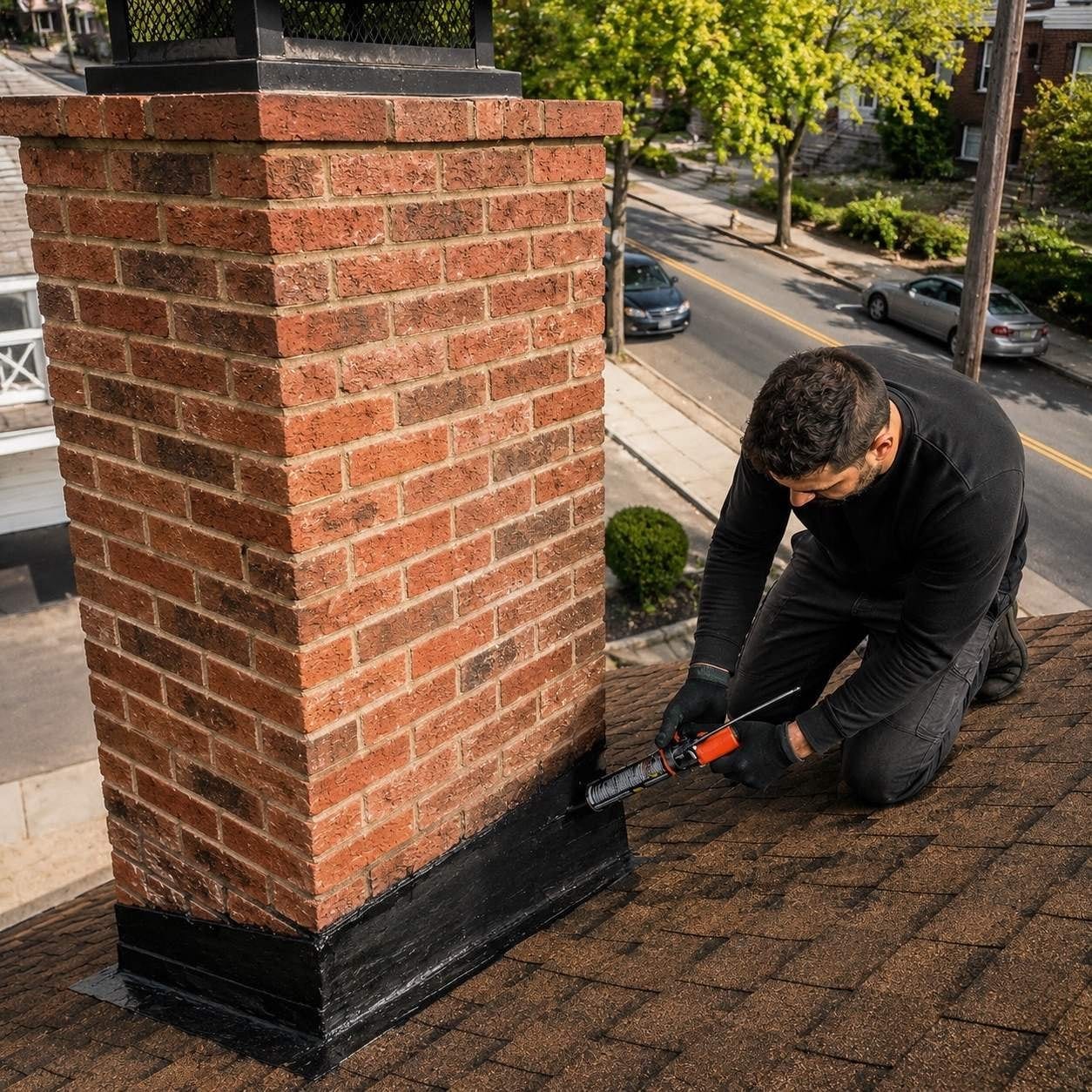
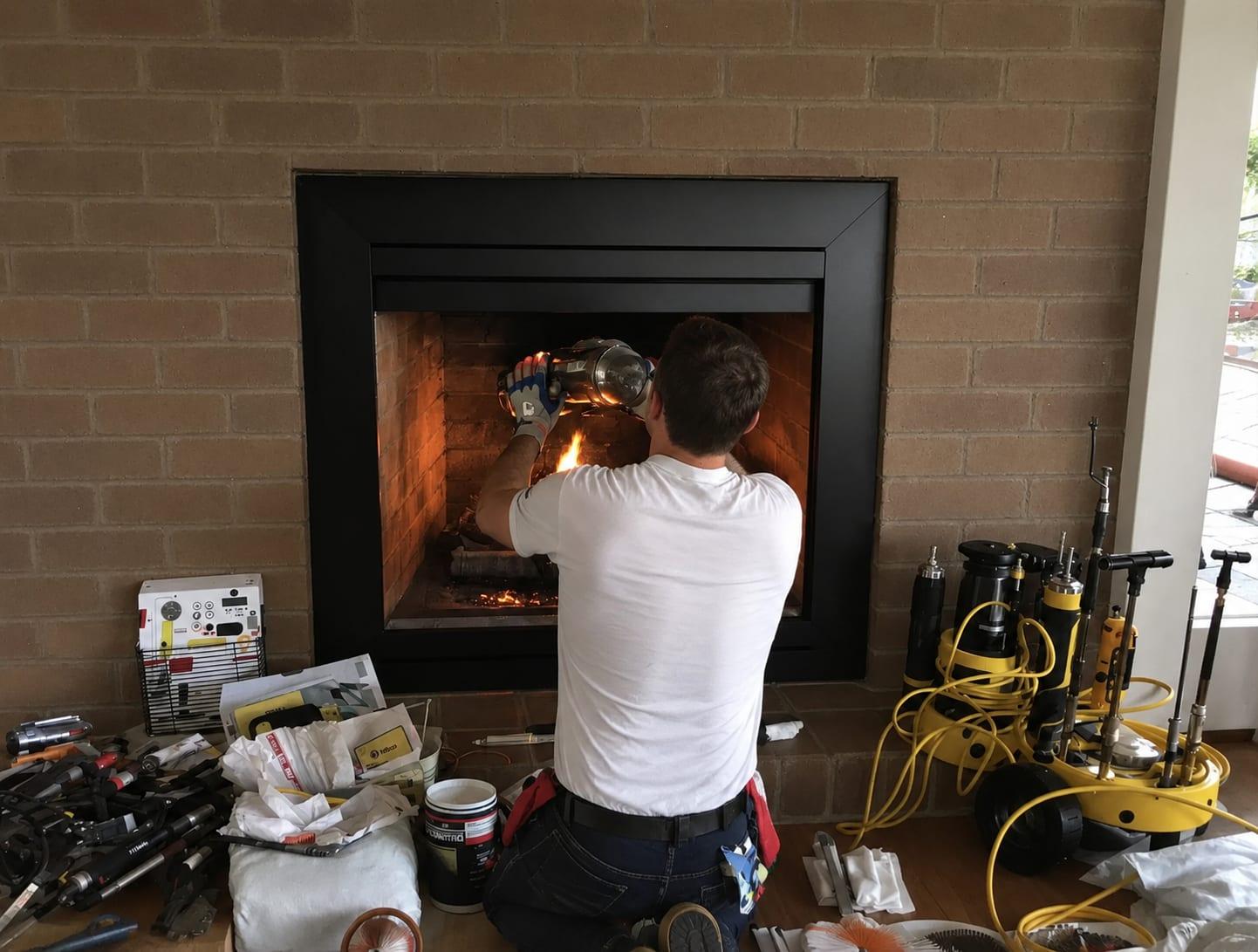
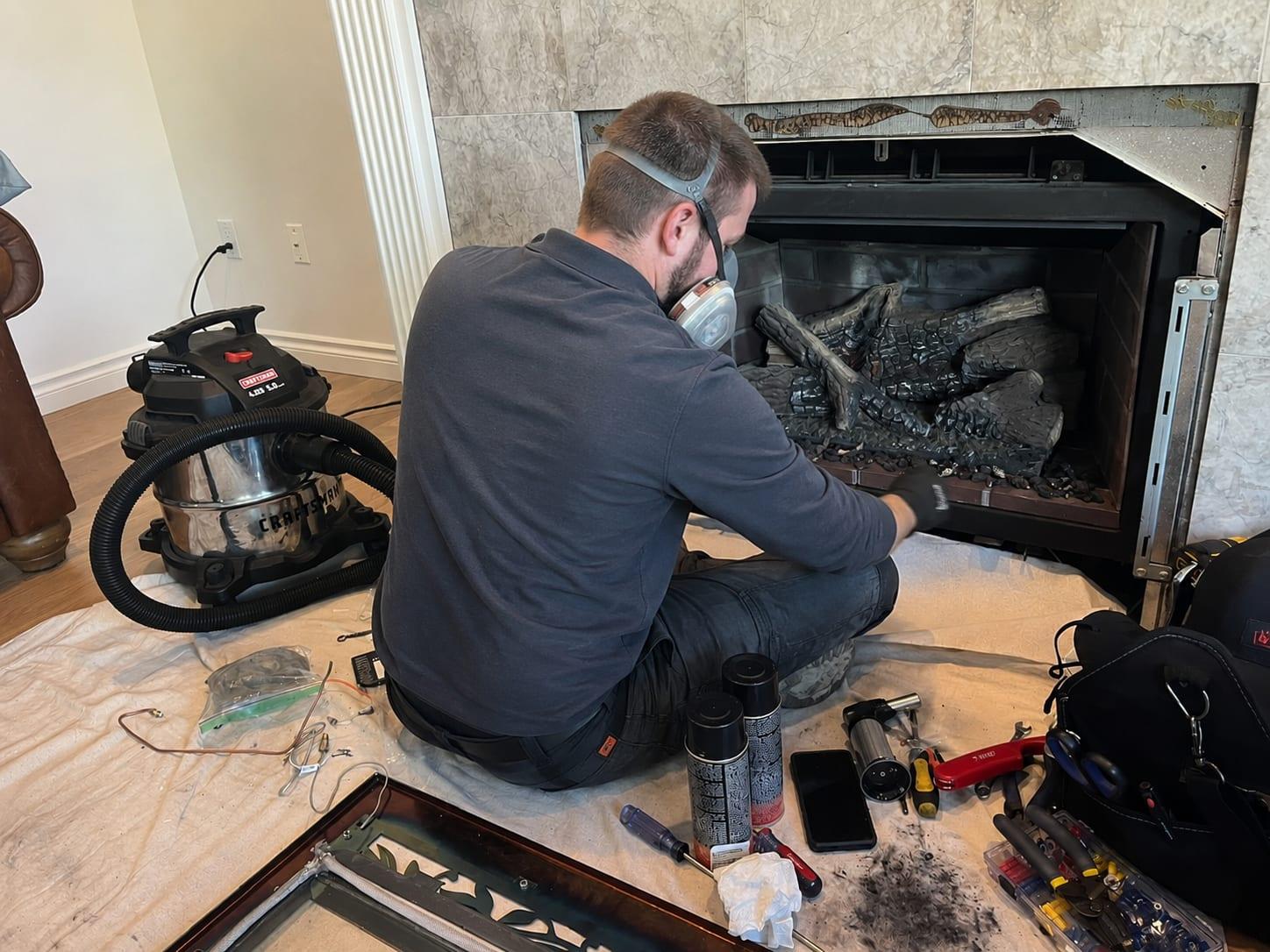
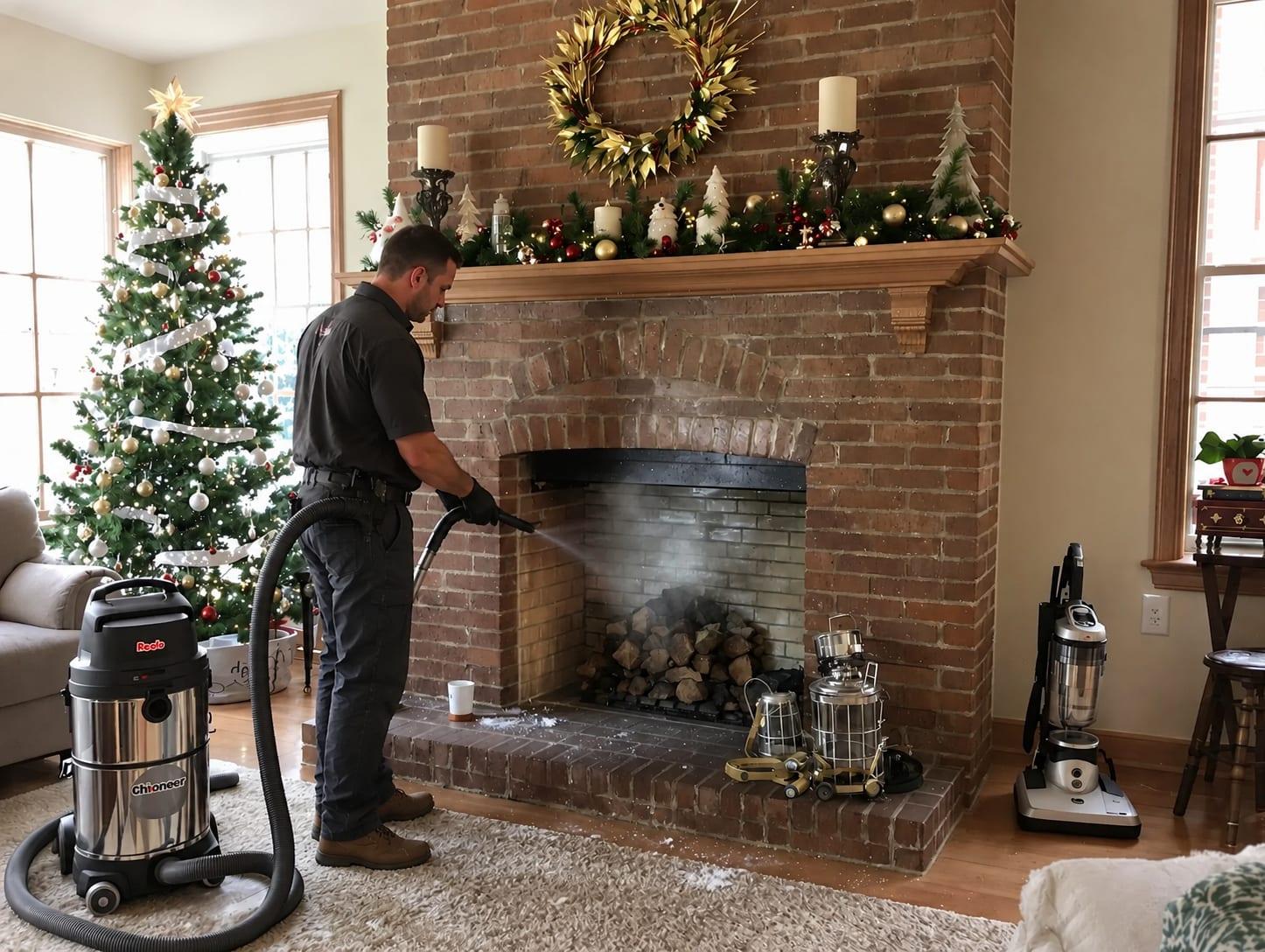
Most visits start with one of three jobs. The first is cleaning: a chimney sweep for homes in Austell clears soot and creosote from the flue, and fireplace cleaning takes care of the firebox, glass and surrounding parts. The second is a chimney inspection in Austell when you're buying a home, haven't used the fireplace in a while, or noticed smoke, odors or water. The third is chimney repair in Austell for cracked crowns, worn mortar, leaks, damaged liners and dampers that won't seal.
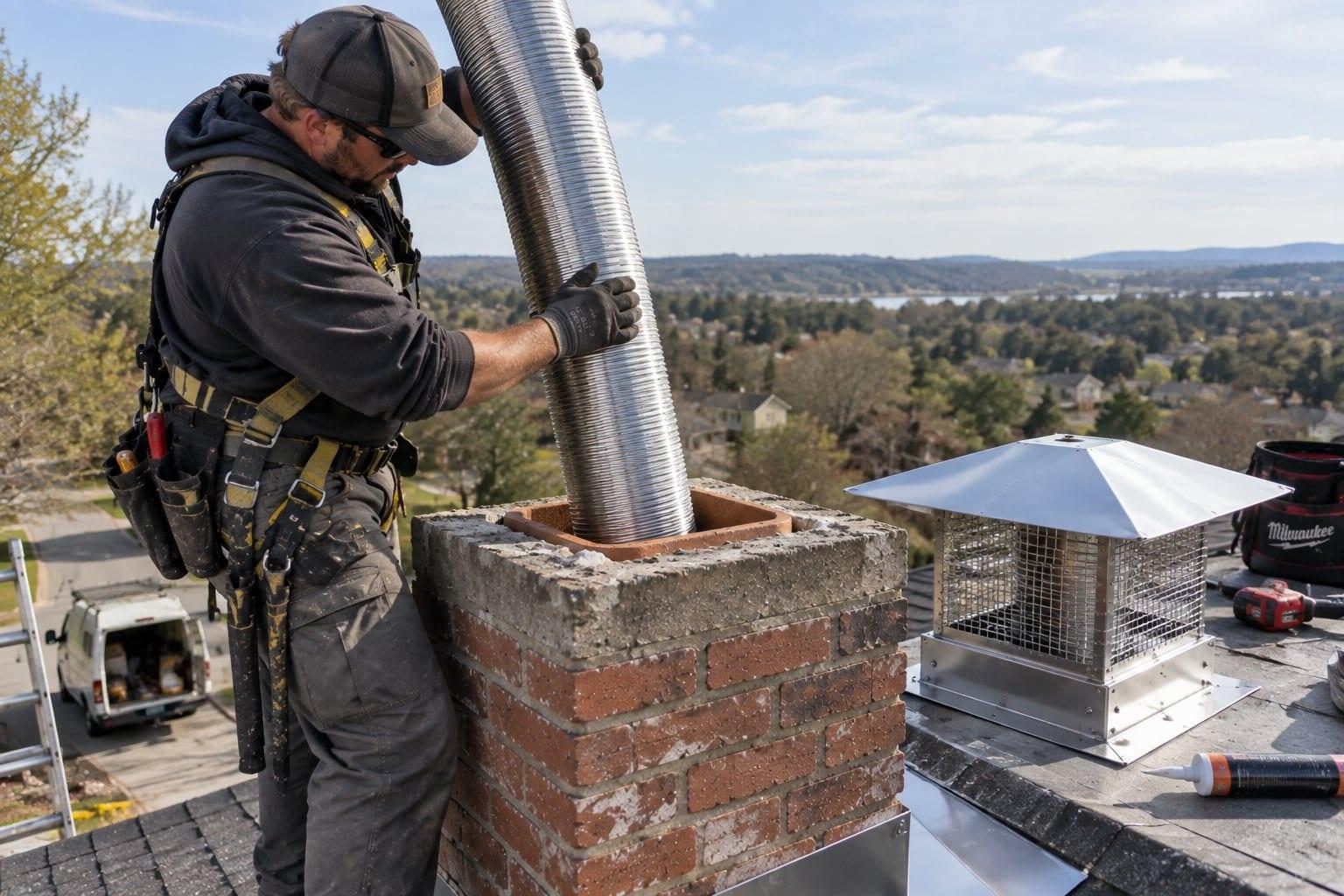
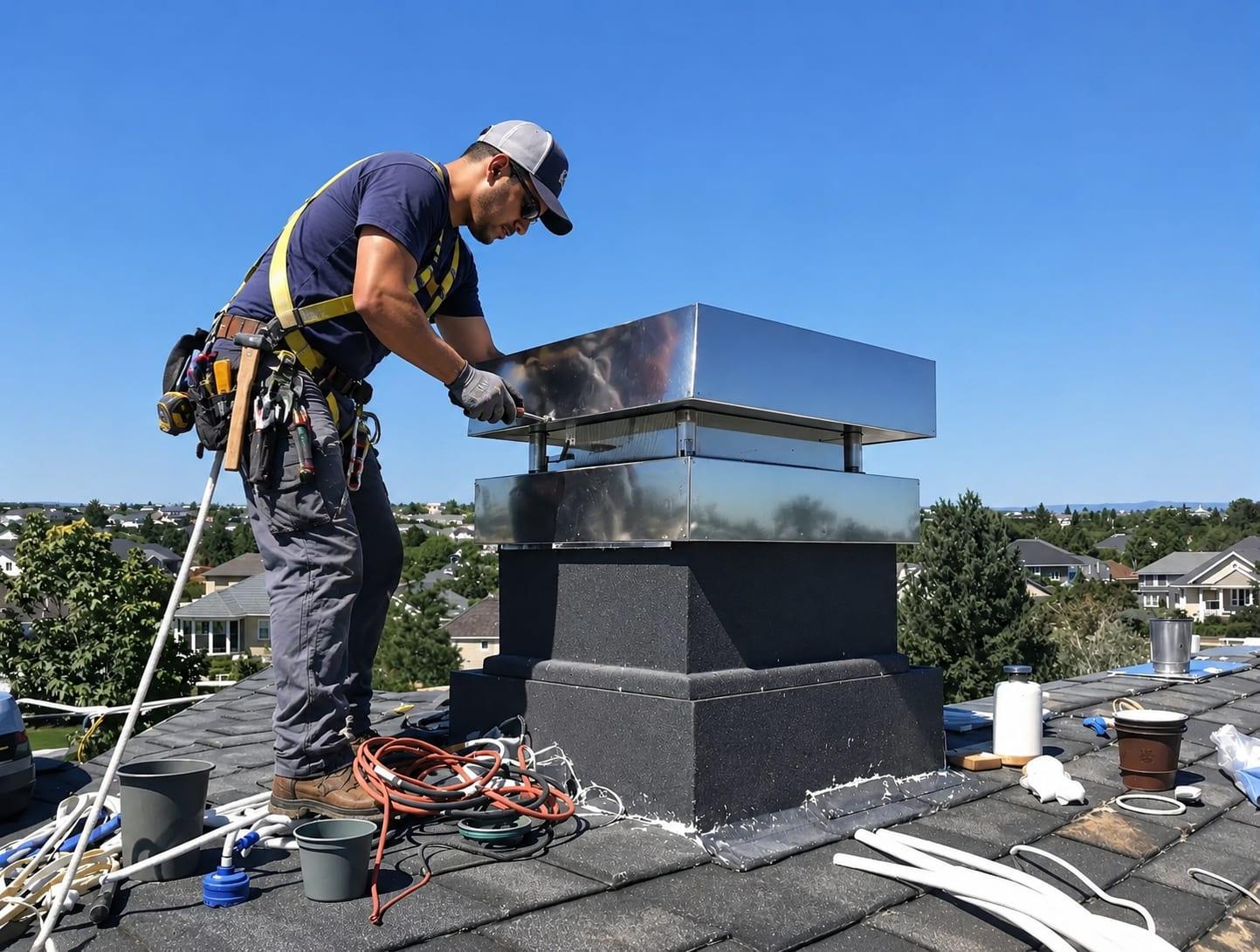
If birds, squirrels or rain keep getting into the flue, a properly fitted cap is often the simplest fix. Here is how chimney cap installation works.
What Austell's housing ages mean for a chimney
About 15% of the housing units in Austell were built before 1960, and about 5% in 1939 or earlier (U.S. Census Bureau, American Community Survey 2019–2023 5-year estimates, table B25034, Year Structure Built). That leaves most homes built in 1960 or later, but a real share are old enough that their chimneys have been through many decades of heating seasons.
Homes built before 1960
Chimneys this old are almost always brick or block masonry. In general, they can have clay tile liners with cracked or missing sections, or in the oldest homes no liner at all. Mortar joints erode over time, and crowns crack and start letting water in. None of this is visible from the living room. A camera inspection of the flue shows whether the chimney is sound before you light a fire, or what needs to happen first if it isn't.
Homes built in 1960 or later
Newer homes may have masonry chimneys or factory-built fireplaces with metal flues inside a framed chase. Factory-built systems wear differently. Chase covers rust and leak, metal flue sections can separate, and refractory panels crack. A newer chimney still needs regular sweeping and a look at the parts on the roof.
Signs any chimney is due for a closer look
- Smoke drifting into the room instead of drawing up the flue
- A smoky or musty smell, especially on humid or rainy days
- Water stains on the ceiling or wall next to the chimney
- Bits of tile, brick or mortar falling into the firebox
- Rust on the damper, firebox or chase cover
- Sounds of animals or nesting material inside the flue
Adding or replacing a fireplace in an Austell home
If your home has no fireplace, or has one that no longer works for you, there are several options. A wood-burning insert can make an old masonry fireplace far more efficient. A gas insert or gas logs remove the work of hauling and burning wood. A worn-out factory-built unit can be replaced, and homes without a chimney can often take a direct-vent gas or electric fireplace. With an older masonry chimney, the flue and liner are checked first, because a new appliance usually depends on a properly sized, intact liner.
Before choosing a new fireplace
Decide how you want to use it: occasional ambiance, regular supplemental heat, or a centerpiece for the room. That one answer narrows the choice between wood, gas, electric and pellet more than anything else.
Sources (1)
Facts and figures on this page come from these references.
- 1U.S. Census Bureau, American Community Survey 2019–2023 5-year estimates, table B25034 (Year Structure Built)