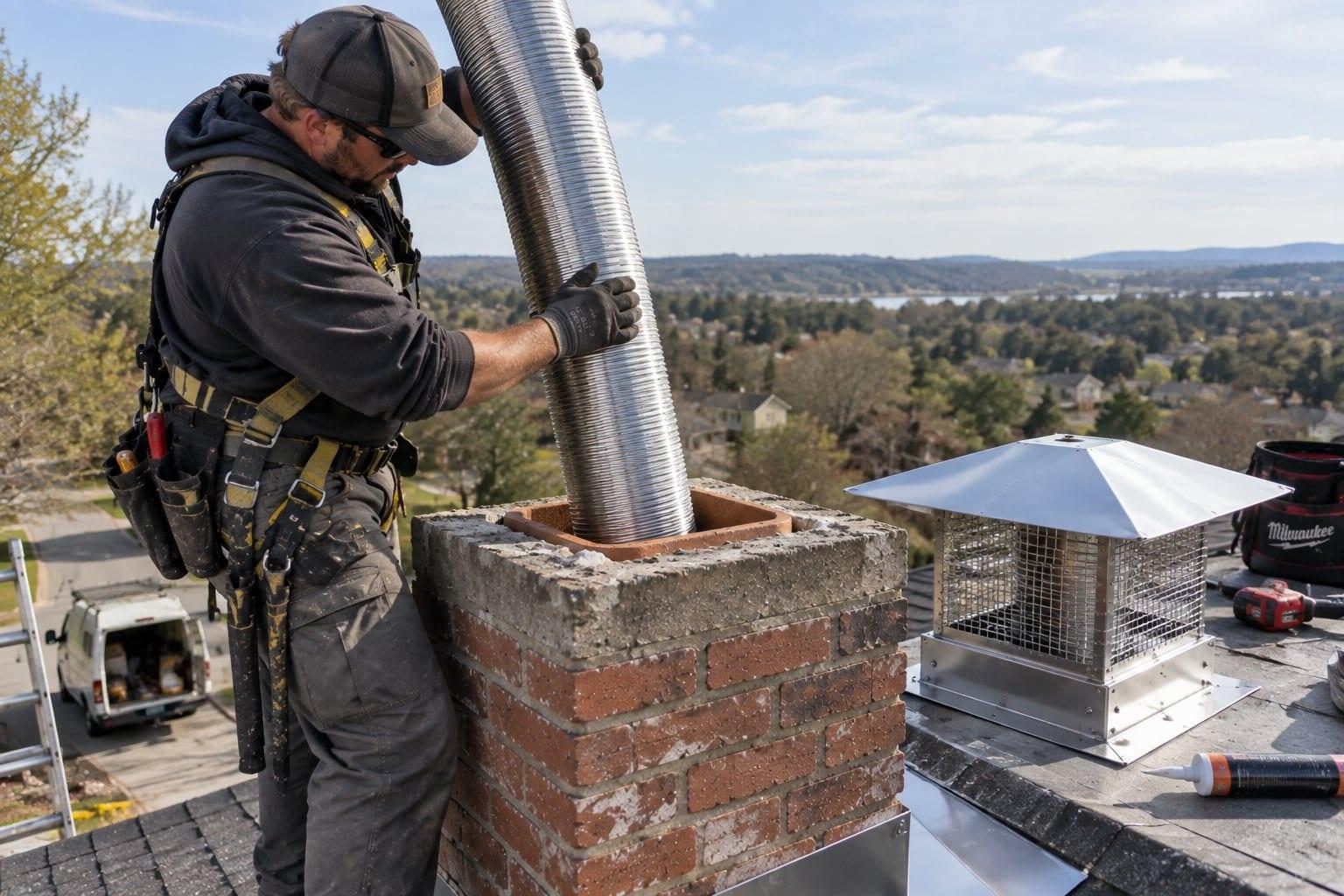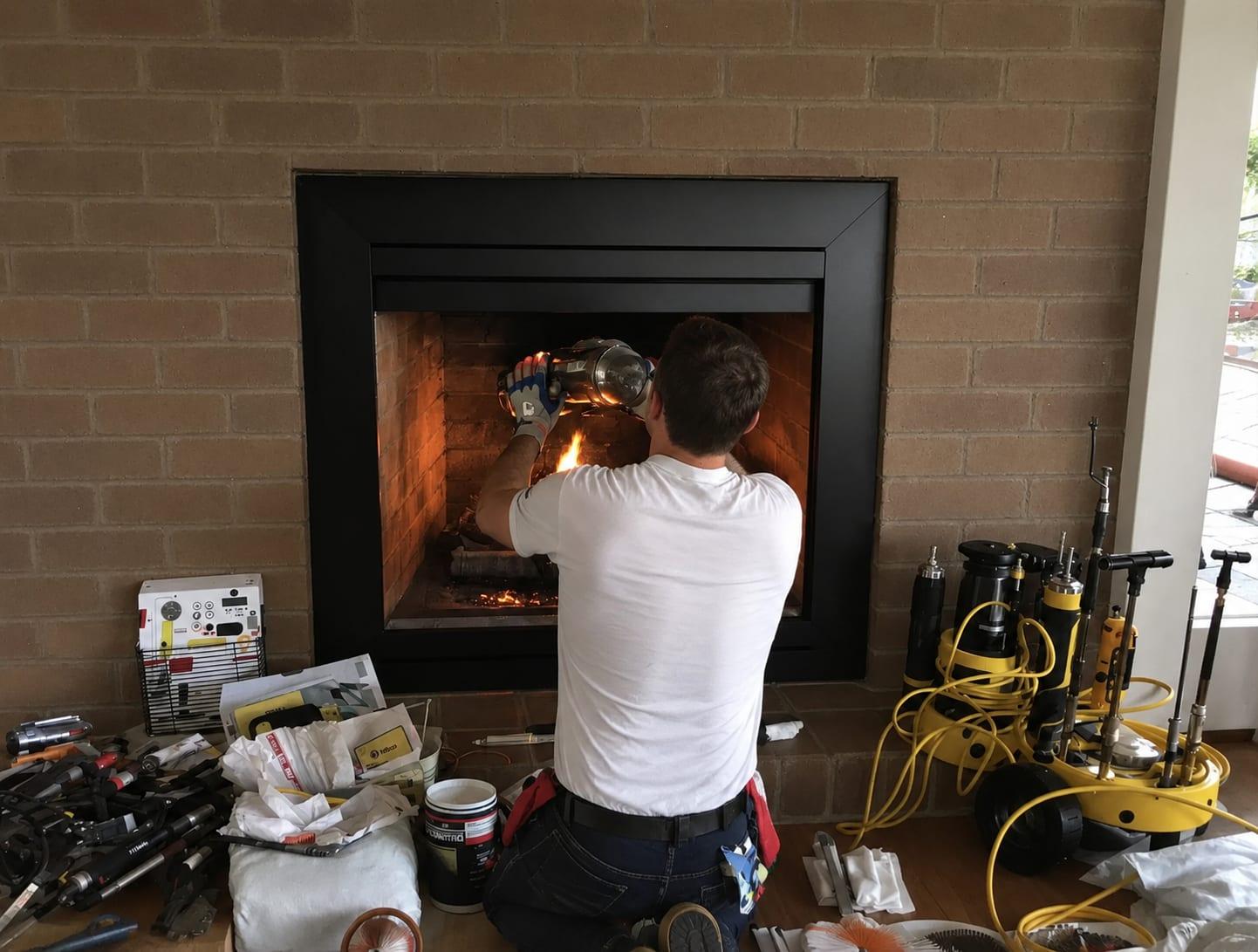
The short answer: yes, if the chimney vents a fire or an appliance
If a chimney serves a wood-burning fireplace, a fireplace insert, a wood stove or a gas appliance, it needs a liner in good condition. The liner is the channel inside the chimney that actually carries heat, smoke and combustion gases up and out. The brick or block around it is the structure. It was never meant to handle those gases directly.
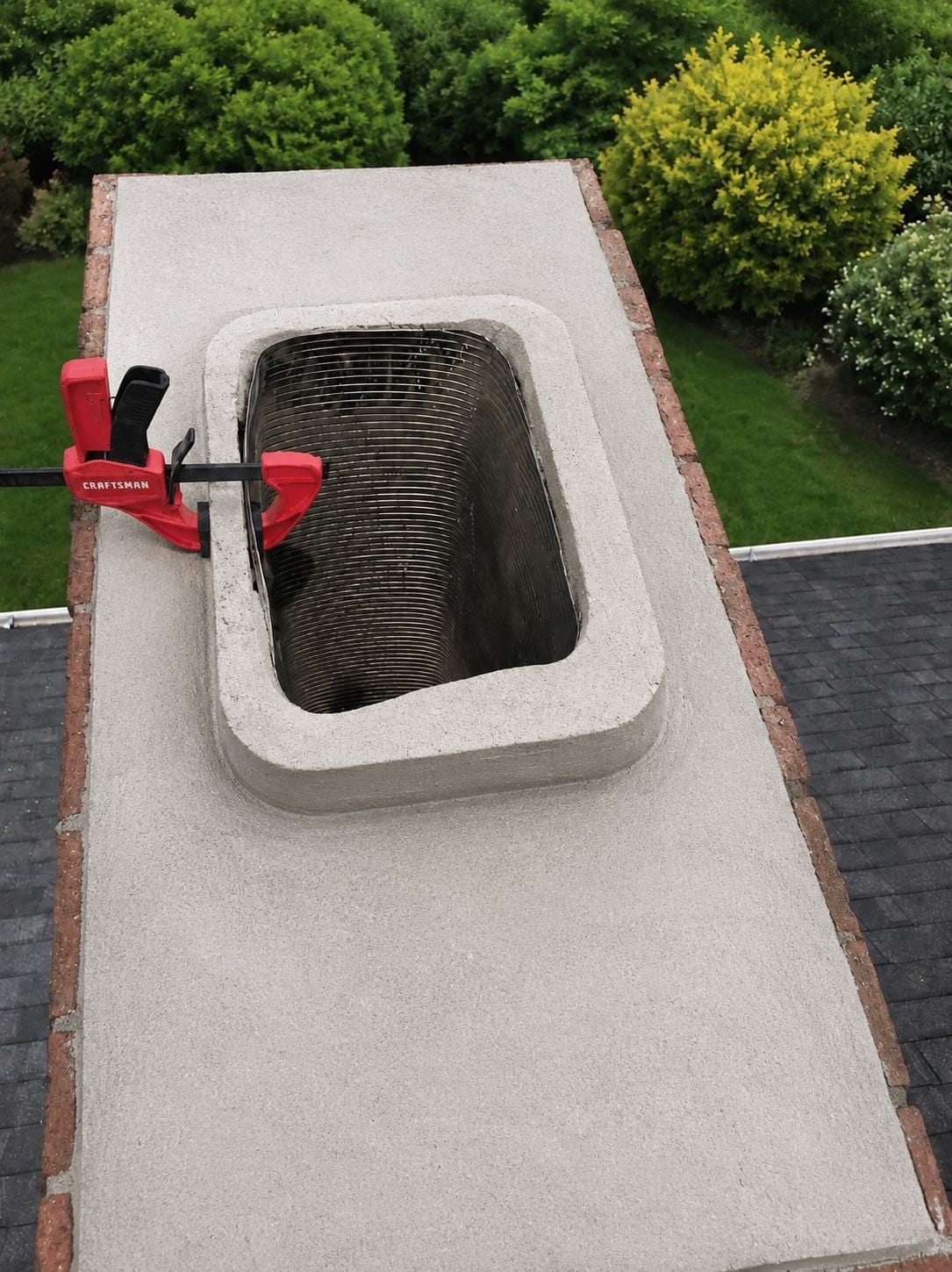
Not every chimney has the same kind of liner. Most masonry chimneys are lined with clay tile. Factory-built (prefab) fireplaces use a metal chimney pipe that serves as the liner. Some older masonry chimneys were built with no liner at all, and many others have liners that have cracked or broken apart over the years. The real question is usually not whether you need a liner. It is whether the one you have is intact and the right size for what you burn.
When a chimney doesn't carry exhaust
A chimney that no longer serves any fireplace or appliance does not carry flue gases, so it has nothing for a liner to contain. It still needs a cap or cover and a watertight top to keep out rain and animals. If you ever plan to use it again, have it inspected before the first fire.
Why a chimney needs a liner
A liner does four separate jobs. A chimney without a sound liner can look fine from the outside and still fail at any of them.
- It protects the house from heat. Masonry conducts heat. In an unlined or cracked flue, heat can reach nearby wood framing over time, even when the fire itself seems small.
- It keeps gases inside the flue. Smoke and carbon monoxide can seep through mortar joints and cracked brick into attics, walls or living space. A continuous liner keeps them in the flue.
- It protects the masonry. Combustion byproducts are acidic and moist. When they soak into brick and mortar, they wear the joints down from the inside, often long before damage shows outside.
- It helps the chimney draft properly. A liner sized to the appliance moves exhaust up efficiently. An oversized or rough flue lets gases cool and linger. That means more creosote with wood, and more corrosive condensation with gas.
Your liner options compared
Three main types of liner are used in residential chimneys. Which one fits depends on how the chimney is built, what appliance it serves, and what shape the existing flue is in.
| Liner type | What it is | Often chosen when | Things to know |
|---|---|---|---|
| Clay tile | Fired clay sections stacked and mortared inside a masonry chimney | Building a new masonry chimney | Durable when intact, but tiles can crack from a chimney fire or sudden heat. Replacing them in an existing chimney is difficult. |
| Stainless steel | A rigid or flexible metal pipe run down the existing flue | Relining an older chimney, or matching a liner to an insert, stove or gas appliance | Can be sized to the appliance. Usually installed with insulation and a top plate. |
| Cast-in-place | A cement-like mix poured or formed inside the flue around a form | The flue is irregular or the inner masonry needs reinforcing | Creates a smooth, continuous lining and can add some strength to an aging flue. |
For more detail on what that job involves, read about having a new chimney liner installed. Some damage is limited to a section of the flue. In that case, repairing a cracked or damaged liner may be enough.
What helps you decide
You can't judge a liner by looking up the flue with a flashlight. Small cracks and gaps between tiles are hard to see without a camera or a full inspection. These questions help narrow down what to ask for:
Questions worth answering first
- Do you know whether the chimney has a liner at all, and what type it is?
- Has the chimney ever had a fire inside it, or have you heard a loud roaring or popping during a fire?
- Are you adding or switching an appliance, such as a wood stove, an insert or a gas fireplace?
- Have you noticed smoke smells indoors, poor draft, or flakes of tile in the firebox?
- Is water getting into the chimney or showing up on nearby ceilings or walls?
- When was the flue last inspected?
If several of those raise doubts, it helps to know the warning signs that a liner needs replacement before you talk to anyone about repairs.
Protecting the liner once it's sound
Water and debris are the two most common threats to a liner. Rain falling straight into an open flue soaks the masonry and the liner. Leaves and nests block draft. A properly fitted chimney cap handles both, and it also keeps out animals that make their way into an uncapped flue. For a fuller picture of how caps and dampers work together, that guide covers the two parts side by side. If you already see stains or dampness, deal with water leaking around or into the chimney before relining. Otherwise the new liner sits in wet masonry.
Oakwell Chimney & Fireplace handles liner installation and repair, camera inspections, caps and masonry work, including gas fireplace and gas appliance venting.