On this page
What chimney damper repair involves
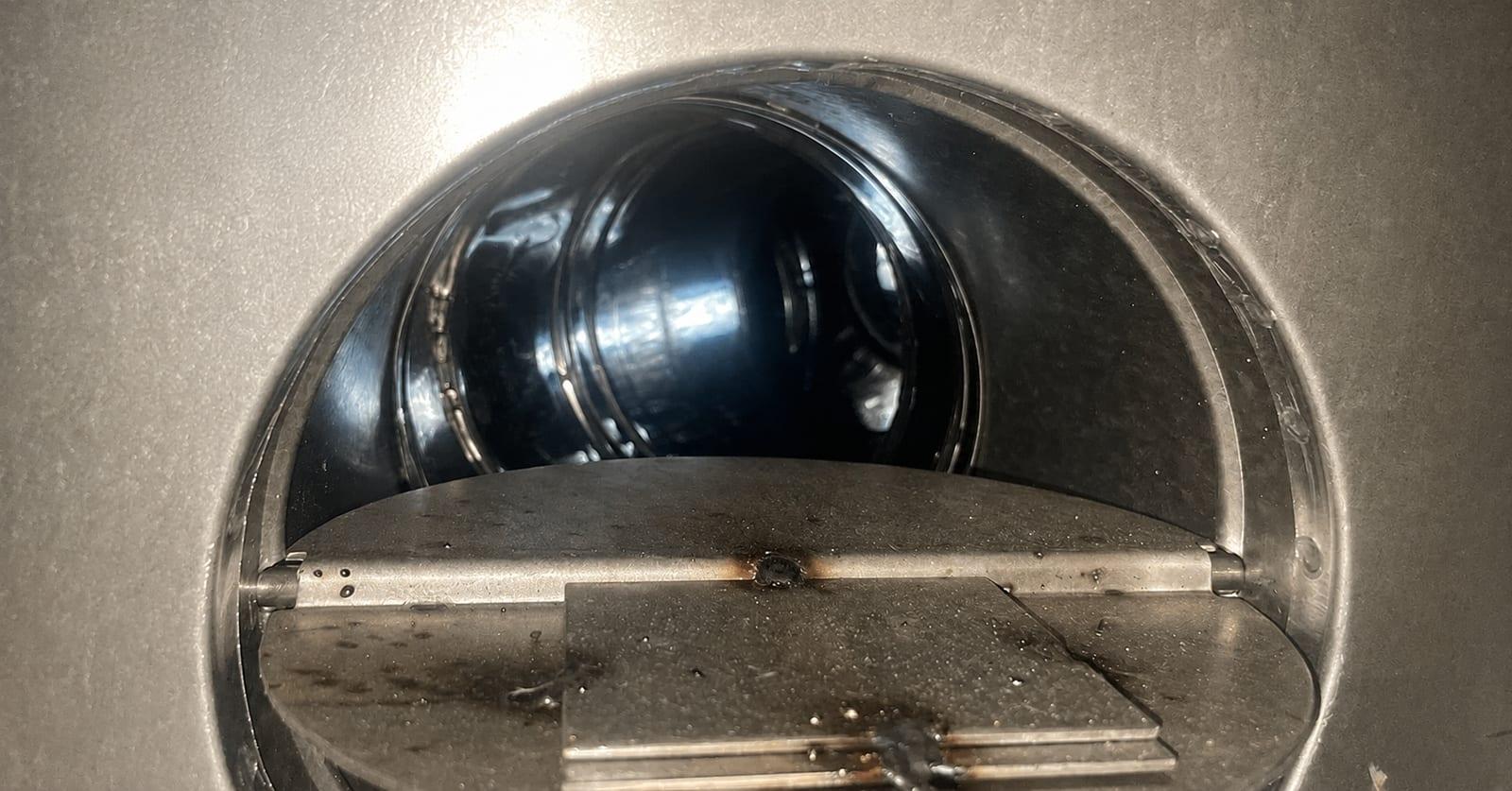
The damper is the movable plate that opens the flue when you burn a fire and closes it when you don't. Most masonry fireplaces have a throat damper just above the firebox, a metal plate in a frame worked by a handle, poker or rotary knob. Some chimneys instead have a top-sealing damper at the top of the flue, opened and closed by a cable that runs down into the firebox.
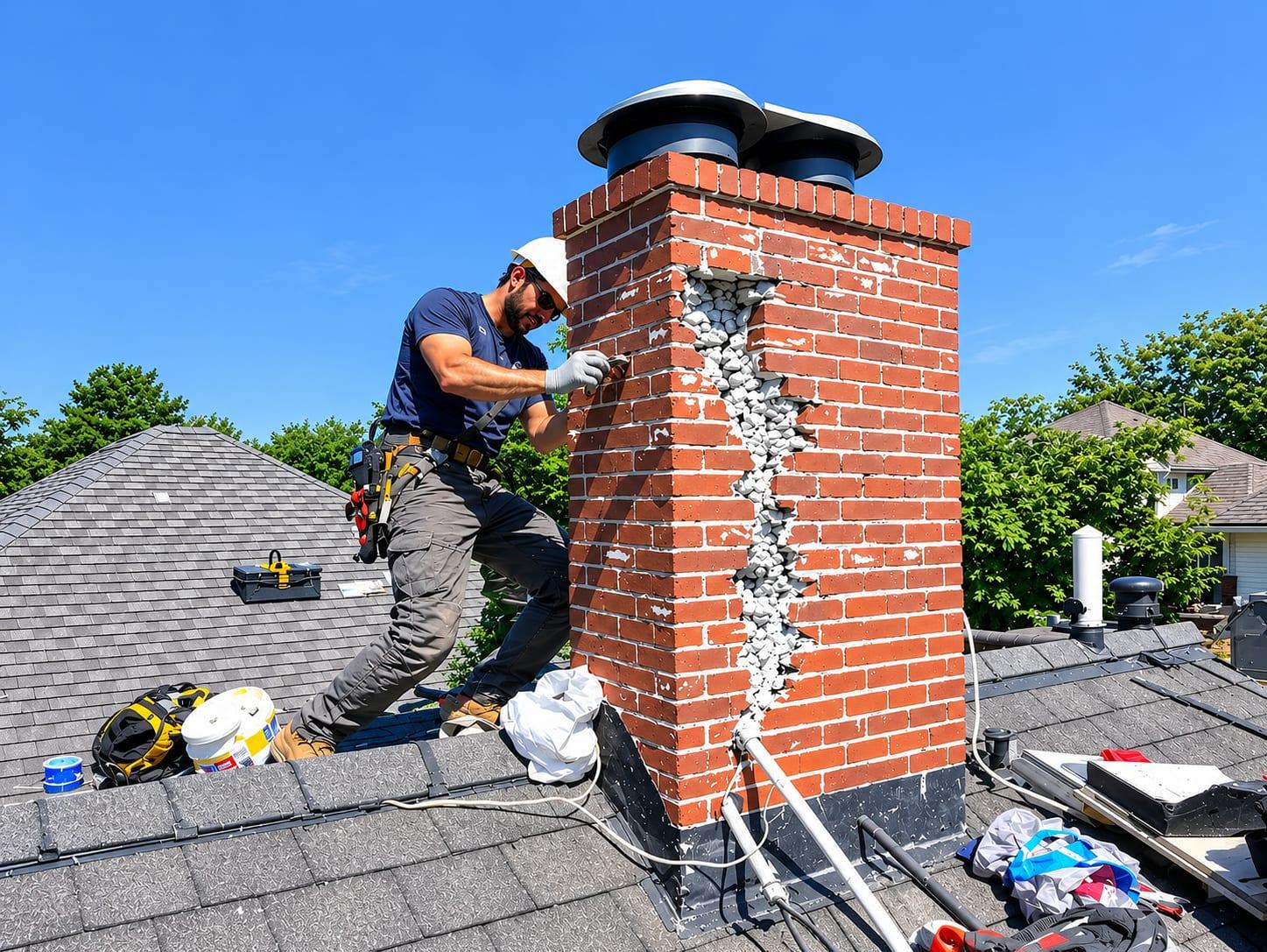
Repair means getting that assembly to open fully, close fully and stay where you set it. Depending on what's wrong, that can involve clearing debris from the frame, freeing a seized pivot, straightening or re-seating the plate, fixing the handle or linkage, or restoring a worn seal on a top-sealing damper.
Signs your damper needs repair
Common reasons homeowners call
- The handle won't move, or moves but the plate doesn't
- The damper opens only partway, and smoke rolls into the room
- You feel cold drafts or hear wind at the fireplace with the damper closed
- Odors come down the chimney between fires
- The damper won't stay open or drops shut on its own
- Rattling, scraping or a loose plate when you work the control
- Rust flakes or debris falling into the firebox when it moves
A damper that won't budge is the most common complaint. Our write-up on what usually causes a stuck chimney damper covers rust, debris and warping in more detail. If a smoky odor lingers in the room even after a sweep, a damper that no longer seals is one possible cause, and the reasons for a chimney that still smells like smoke after cleaning are worth a look.
Fixing smoky fireplaces at home
When a fireplace puts smoke into the room, the damper is the first thing to check, because a plate that is only partly open chokes the draft. A few checks are safe to do yourself before you call:
- With the fire out and the firebox cool, shine a flashlight up past the damper and confirm the plate actually swings fully open when you move the handle.
- Before lighting, hold a rolled sheet of lit newspaper near the open damper for a moment to warm the flue and get air moving upward. Only try this once the flue has been checked clear of blockages and creosote; if smoke comes into the room, stop adding fuel and don't relight.
- Burn dry, seasoned wood. Wet wood smokes heavily no matter how well the chimney drafts.
- If the house is tightly closed up with exhaust fans running, crack a window near the fireplace to see whether the smoking stops.
If the damper is open and the fireplace still smokes, the trouble may sit just above it.
Never close the damper on a fire that isn't out
Closing the damper while embers are still burning can push smoke and carbon monoxide into the house. Wait until the fire is completely out and the ashes are cold.
What the visit involves, step by step
How a damper repair visit goes
Tell us the symptom
When you get in touch, describe what the damper is doing: stuck, loose, drafty or smoky. Mention whether the fireplace burns wood or gas.
Look and operate
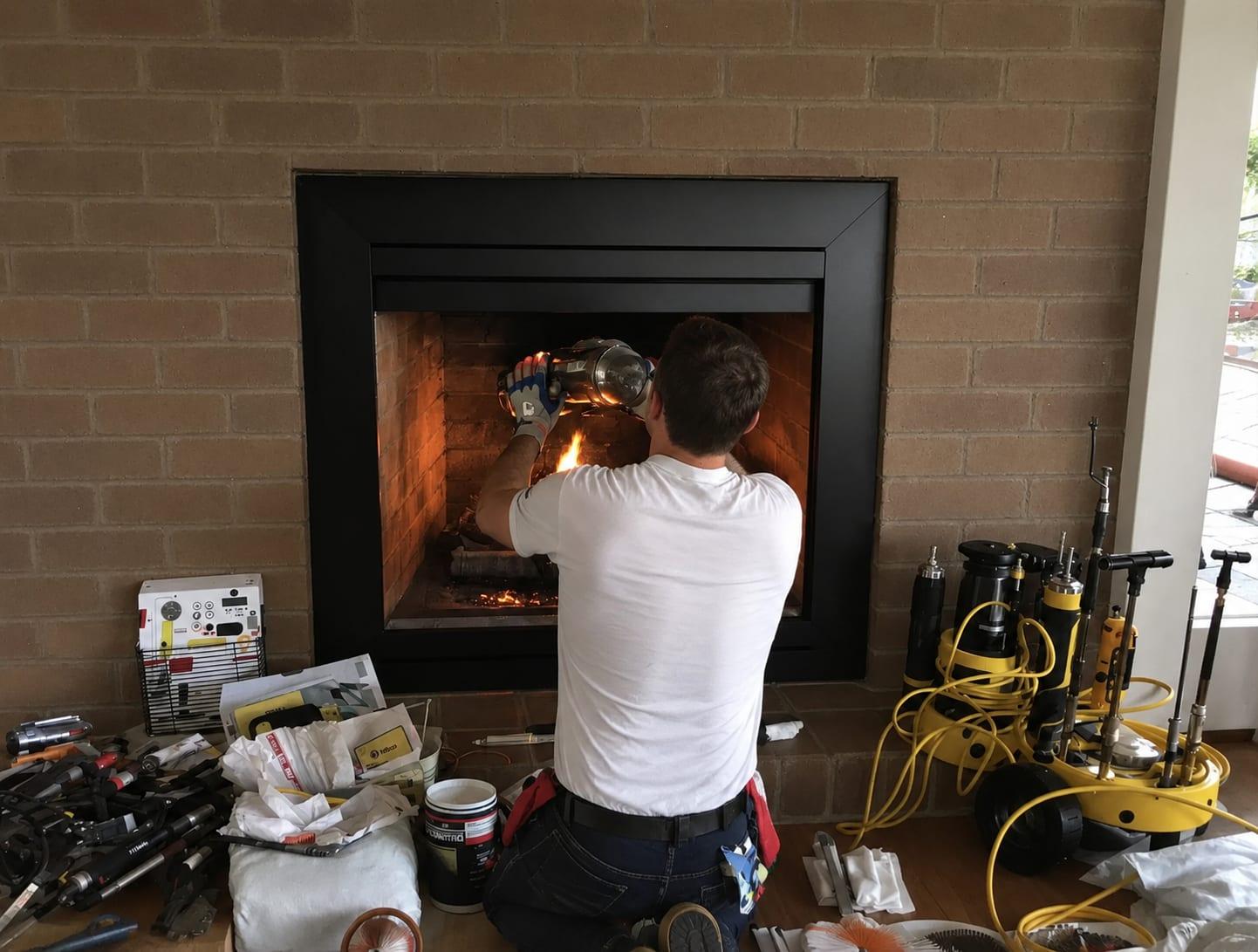
We work the control and look at the damper from the firebox with a light, watching how far the plate travels and whether it seats in the frame.
Check the parts and surroundings
We look at the plate, frame, pivot points, handle or cable, and seal, along with the masonry or metal just above the damper.
Explain what we found
You get a plain explanation of the problem and a free estimate before any repair work starts.
Make the repair
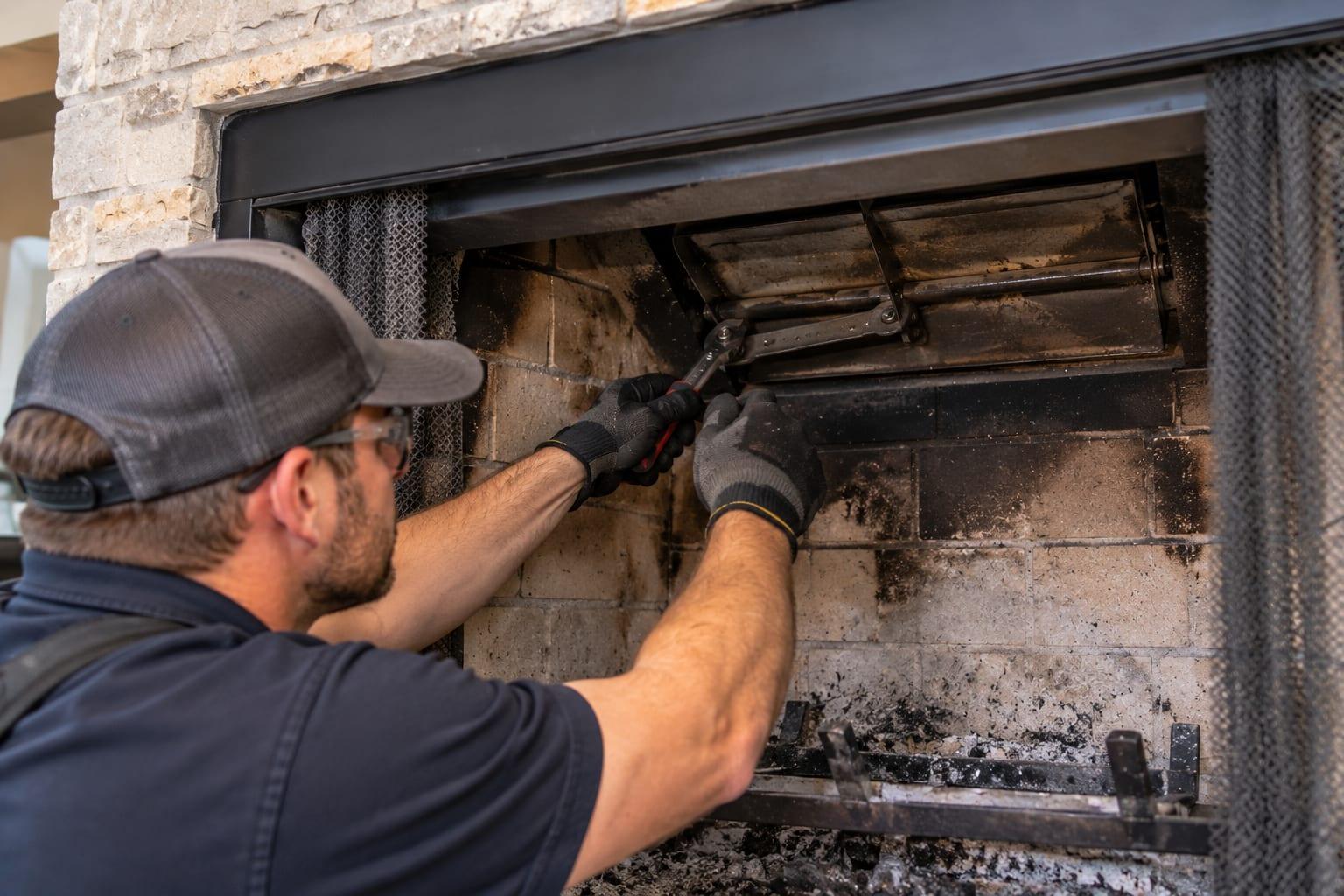
That may mean cleaning and freeing the pivot, re-seating or straightening the plate, fixing the handle or linkage, or restoring the seal.
Test it
We open and close the damper several times to confirm it travels fully, holds its position and closes snugly. If the fireplace has gas logs, leave the damper as the installer set it — vented gas logs need it open.
Damper types, materials and fuel types
| Damper type | Where it sits | Typical problems |
|---|---|---|
| Cast iron or steel throat damper | Just above the firebox | Rust, seized pivot, warped plate, broken handle or poker control |
| Top-sealing damper | At the top of the flue | Worn seal, stretched or broken cable, stuck lid |
| Built-in damper in a prefab fireplace | Inside the factory-built firebox or flue | Bent linkage, binding plate, worn control |
Fuel type matters. A wood-burning fireplace needs a damper that opens wide for the fire and closes tight afterward. With gas logs, manufacturers typically call for the damper to stay open or be fixed partly open with a clamp so combustion gases can always escape. We handle gas fireplace and gas appliance work, so we can check that setup too. We work on all major brands of fireplaces.
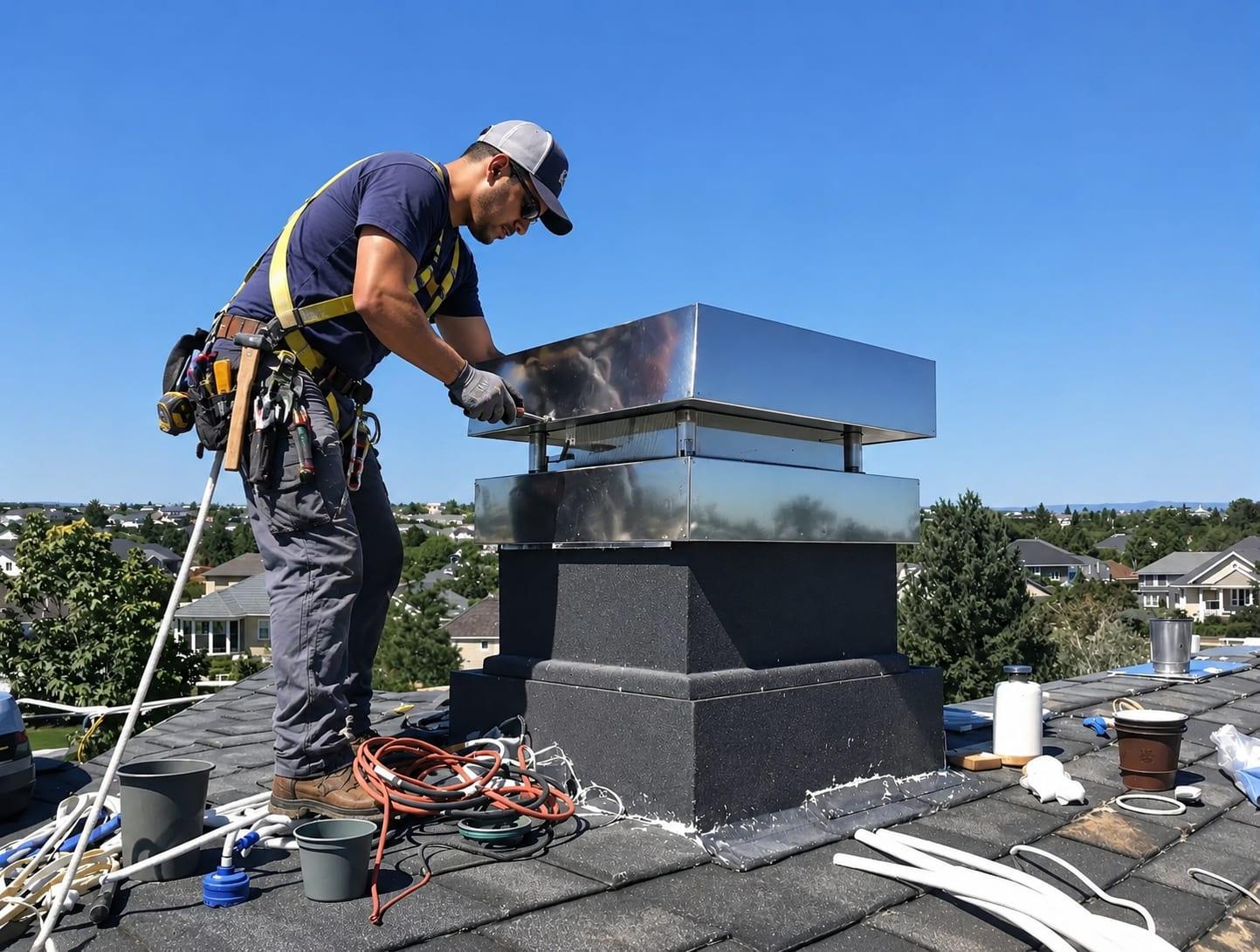
If you're weighing a top-sealing damper against a traditional one, or wondering how a damper and a cap divide the work, the benefits of chimney caps and dampers guide lays it out. A cap is a separate part from the damper, but it keeps out the rain and debris that rust and jam dampers. We also handle chimney cap installation if your flue is open at the top.
Damper and flue repair together
A damper sits at the bottom of the flue, so problems in one often show up in the other. Rust on a damper can mean water is getting down the chimney, and crumbling material above it can jam the plate. If the inspection shows trouble with the flue itself, we'll tell you. Our guide on why every chimney needs a liner explains what the lining does.
When repair isn't enough
Some dampers are past fixing. A plate that has rusted through or a frame that has warped out of shape won't seal no matter how it's adjusted. If that's what we find, we'll say so at the estimate rather than make a repair that won't hold.
Booking chimney damper repair
Call or request an estimate and describe what your damper is doing. Same-day visits are available where the schedule allows (never guaranteed), and emergency calls are accepted. Commercial and property-manager work is offered as well, so landlords and managers with several fireplaces can book through us too.
Free estimates.
Get in touch to schedule a look at a damper that's stuck, drafty or letting smoke into the room.