The short answer
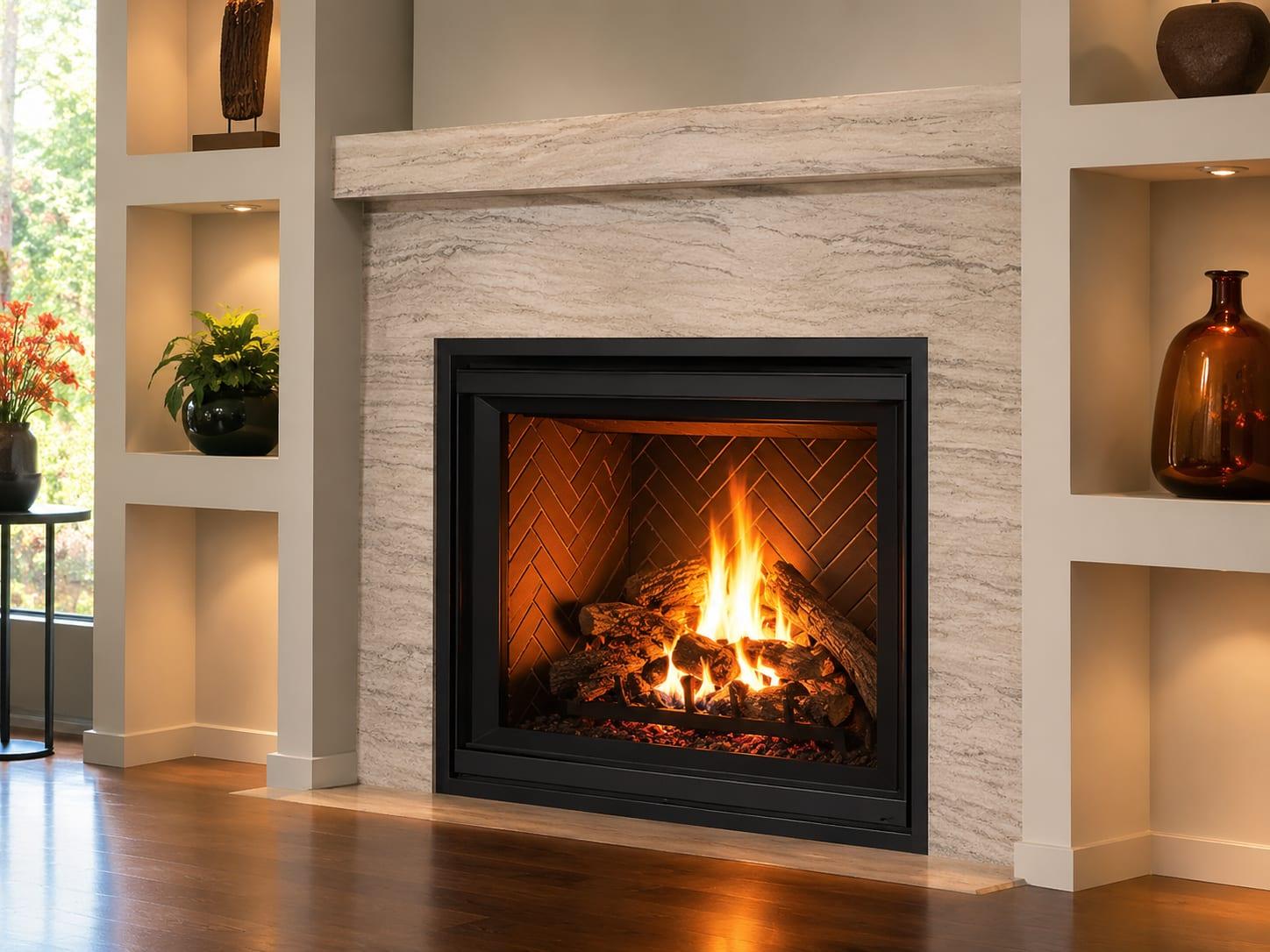
Both a free standing wood stove and a fireplace insert are closed, glass-fronted fireboxes that burn wood far more efficiently than an open fireplace. The real difference is where they go and how they connect to a chimney. An insert slides into an existing fireplace opening and vents up a liner inside that chimney. A free standing stove sits out in the room on a non-combustible hearth pad and needs its own venting path, either a new chimney system or a connection into an existing flue.
- Choose an insert when you have a working wood-burning fireplace, want to turn a drafty opening into a real heat source, and would rather not give up floor space.
- Choose a free standing stove when there is no fireplace, the fireplace is in the wrong spot, or you want the strongest radiant heat and the look of a stove in the room.
How the two compare
| Feature | Free standing wood stove | Fireplace insert |
|---|---|---|
| Where it goes | Anywhere the floor, clearances and venting allow | Inside an existing fireplace opening |
| Needs an existing fireplace | No | Yes, one that is sound and suitable for an insert |
| Venting | New chimney or vent pipe, or a connection into an existing flue | A liner run up the existing chimney, sized to the insert |
| How heat reaches the room | Radiates from all sides and the top | Mostly from the front; many models use a blower to push warm air out |
| Floor space | Takes up room, plus required clearances to walls and furniture | Sits mostly inside the fireplace, with a small hearth extension |
| Look | A visible stove and pipe as a feature in the room | Keeps the fireplace surround; the opening is covered by the insert's face |
| Cleaning access | Stovepipe and chimney are generally easier to reach | The insert may need to be pulled out or worked around to reach the liner and smoke chamber |
Where it goes
- Free standing wood stove
- Anywhere the floor, clearances and venting allow
- Fireplace insert
- Inside an existing fireplace opening
Needs an existing fireplace
- Free standing wood stove
- No
- Fireplace insert
- Yes, one that is sound and suitable for an insert
Venting
- Free standing wood stove
- New chimney or vent pipe, or a connection into an existing flue
- Fireplace insert
- A liner run up the existing chimney, sized to the insert
How heat reaches the room
- Free standing wood stove
- Radiates from all sides and the top
- Fireplace insert
- Mostly from the front; many models use a blower to push warm air out
Floor space
- Free standing wood stove
- Takes up room, plus required clearances to walls and furniture
- Fireplace insert
- Sits mostly inside the fireplace, with a small hearth extension
Look
- Free standing wood stove
- A visible stove and pipe as a feature in the room
- Fireplace insert
- Keeps the fireplace surround; the opening is covered by the insert's face
Cleaning access
- Free standing wood stove
- Stovepipe and chimney are generally easier to reach
- Fireplace insert
- The insert may need to be pulled out or worked around to reach the liner and smoke chamber
Heat output and how it spreads
A free standing stove has all of its surfaces exposed to the room, so it throws heat in every direction. That makes it very effective in an open floor plan or a large room. An insert is surrounded by masonry on three sides, so much of its heat would soak into the brick if it weren't for the air jacket and blower most inserts use to move warm air back out the front. Without power to the blower, an insert still heats, but more slowly and mostly through the glass.
Venting and the chimney
An insert should not simply be set into a fireplace and vented into the large masonry flue. A properly sized liner running the full height of the chimney keeps the exhaust moving, helps the draft, and makes the system cleanable. Before an insert goes in, the fireplace and chimney need to be checked for cracks, missing mortar and damage; problems like crumbling or loose bricks in the firebox should be fixed first.
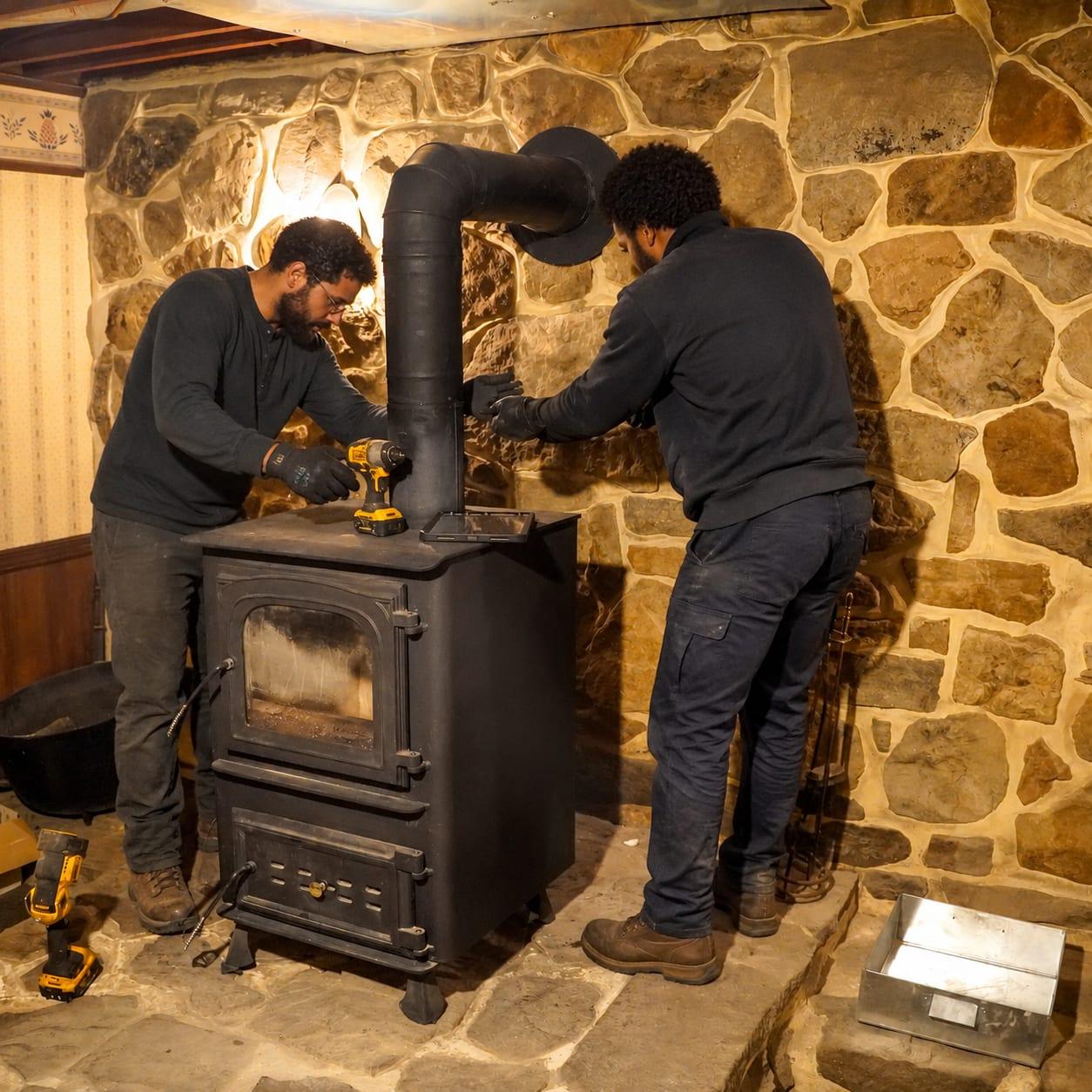
A free standing stove can vent through a new factory-built chimney system run through the ceiling or a wall, or it can connect into an existing masonry chimney with a liner. Either way, the stove's manufacturer instructions set the clearances to combustible walls, the hearth protection under and in front of the stove, and the pipe requirements.
Installation considerations
What each option needs before it can go in
- Insert: a fireplace opening large enough for the unit you want
- Insert: a structurally sound firebox, smoke chamber and chimney
- Insert: a liner sized to the insert's flue outlet
- Stove: a floor that can carry the stove's weight
- Stove: a non-combustible hearth pad of the size the manufacturer specifies
- Stove: room for the required clearances to walls, furniture and doorways
- Stove: a route for the chimney or vent pipe through the ceiling, roof or wall
- Both: following the manufacturer's installation instructions and local building requirements
For a closer look at what goes into placing and venting a stove, read about how wood stove installation works.
Upkeep over the years
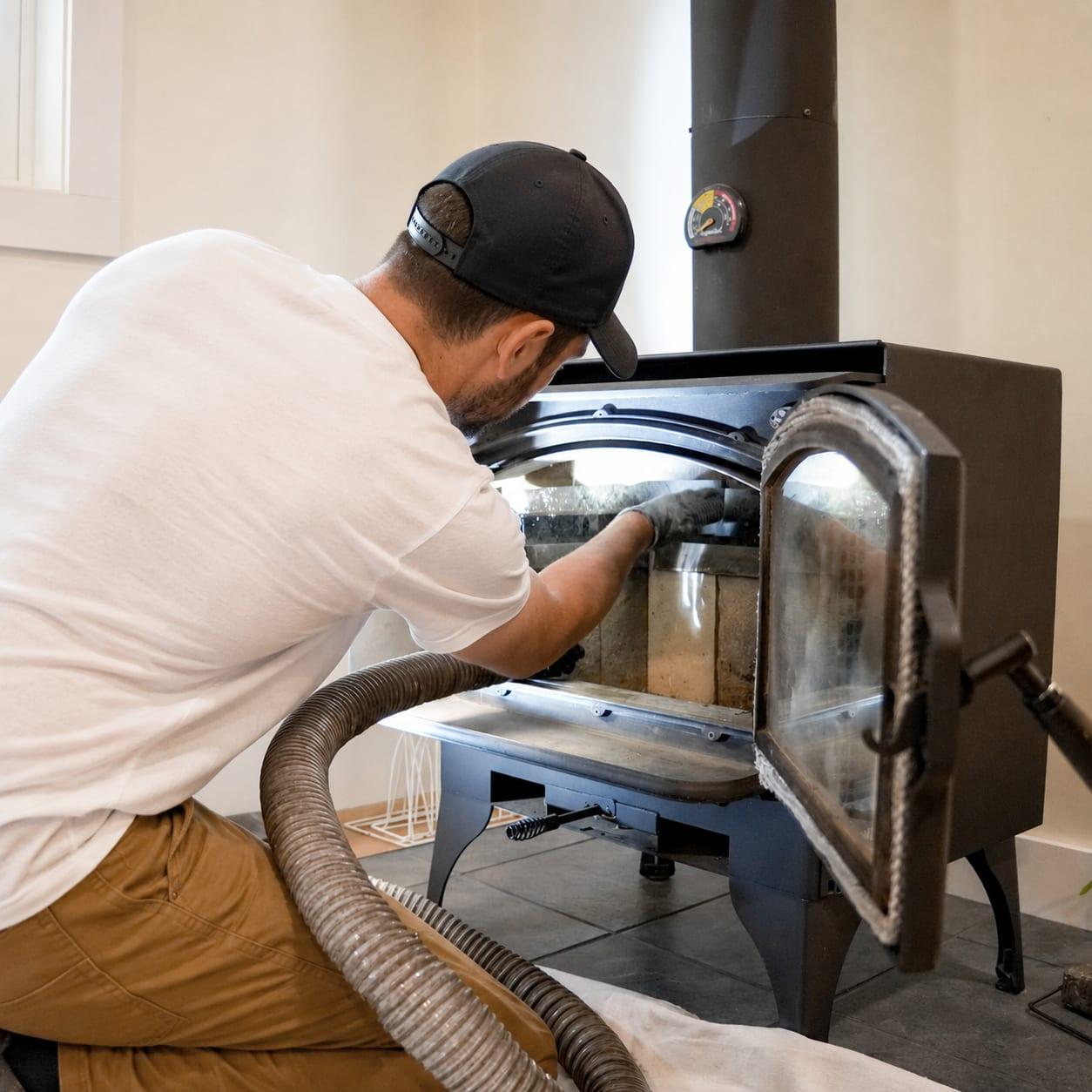
Both appliances build up creosote and need regular sweeping, and both have gaskets, glass and firebrick that wear. The practical difference is access. A stove's connector pipe and chimney are usually straightforward to reach. An insert sits inside the fireplace, so cleaning the liner and checking the space behind the unit can take more work; cleaning a fireplace insert typically covers the insert, the liner and the area around it. When a stove develops problems such as a cracked part, a warped baffle or leaking door seals, repairing the wood stove is often possible without replacing it.
What helps you decide
Questions to work through
Do you have a usable wood-burning fireplace?
If yes, and it is in the room you want to heat, an insert makes good use of it. If not, a stove avoids building around a fireplace you don't have.
Where do you need the heat?
An insert heats the room the fireplace is in. A stove can be placed closer to the center of the living space or in a room with no fireplace at all.
How much floor space can you give up?
A stove plus its clearances takes a noticeable footprint. An insert takes very little.
What shape is the chimney in?
A chimney that smokes, leaks or has damaged masonry needs attention either way. If the fireplace already has smoke coming back into the room, find the cause before adding any appliance.
Do you want the look of the fireplace or the look of a stove?
An insert keeps your mantel and surround. A stove becomes the focal point of the room.
Still weighing other fuels or styles?
If you're not set on cordwood, our guide to pellet vs wood stoves covers that choice, and the broader overview of each type of fireplace helps if you're comparing gas, electric and wood-burning options.
If you'd like your fireplace and chimney looked over before choosing, we handle insert installation and cleaning, wood stove installation and repair, and chimney inspection and repair, and estimates are free.