On this page
What chimney animal proofing is and what it involves
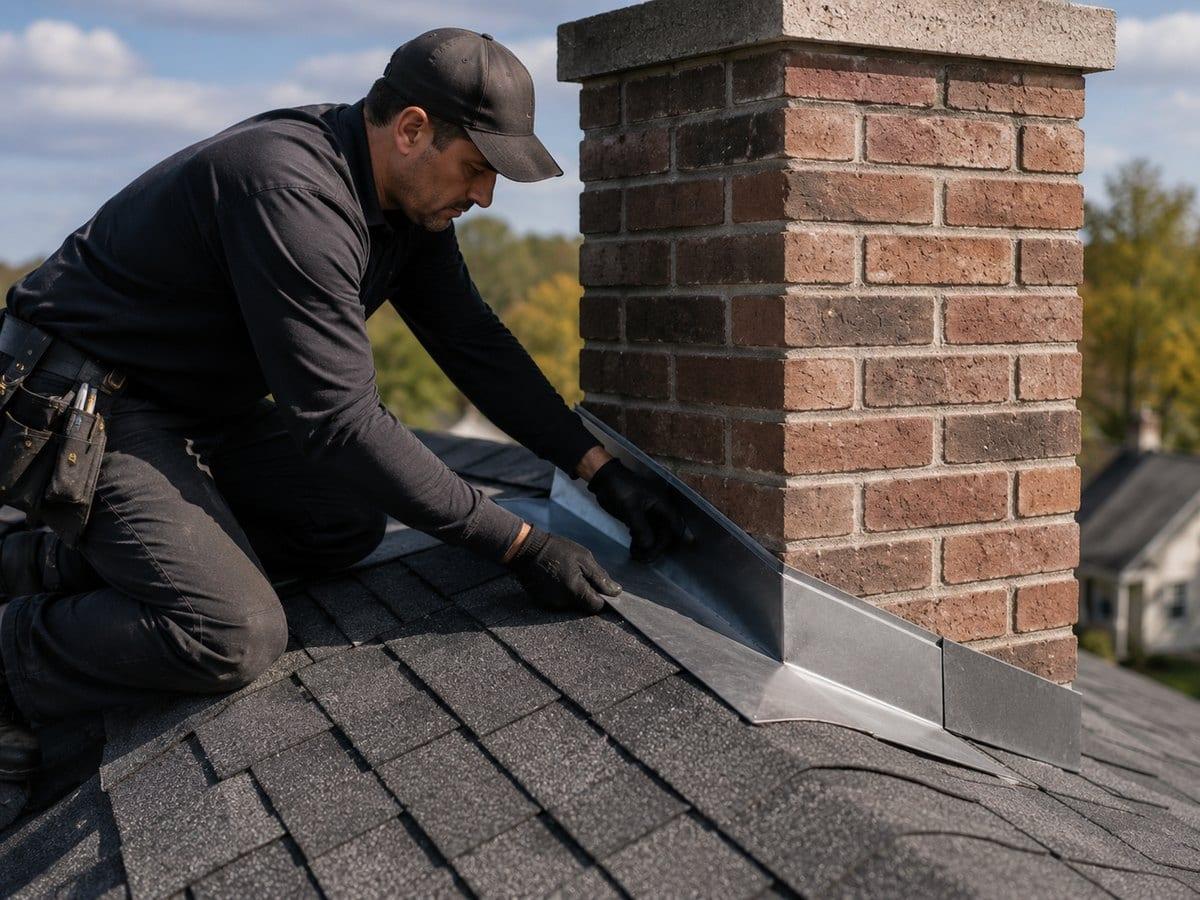
Animal proofing treats the whole chimney as the problem, not just one part. The open flue is the most common way in, but animals also squeeze through cracked crowns, gaps under a loose chase cover, and spaces where the chimney meets the roofline. Covering the top while a side gap stays open only moves the entry point.
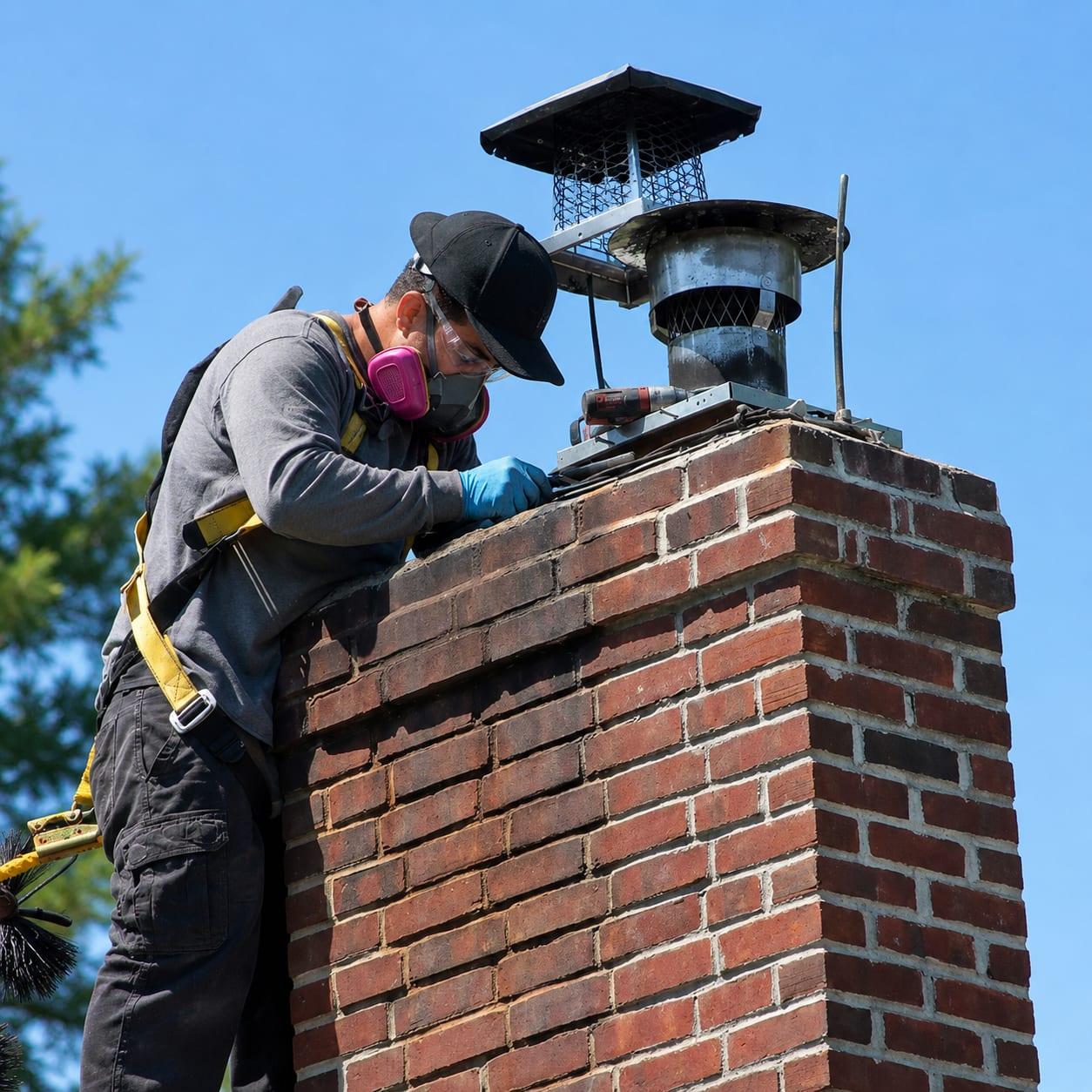
- A screened cap over each flue, or one unit that covers a multi-flue crown
- Sealing cracks and gaps in the crown, chase cover or flashing that are large enough to get through
- Repairing a damper that no longer closes, so anything that gets into the flue can't reach the living space
- Checking that the new barriers leave the flue clear and drawing well
If something is already living in the chimney, it has to come out before anything gets sealed. Trapping an animal inside creates a worse problem: a frightened animal clawing at the damper, or an odor once it dies.
Signs a chimney needs animal proofing
- Scratching, chirping or fluttering in the chimney, often loudest at dawn and dusk
- Twigs, leaves, feathers or droppings landing in the firebox
- A musty or ammonia-like smell near the fireplace
- Smoke that won't go up the flue, which can point to a nest blocking it
- No cap at all, or mesh that is rusted, torn or bent away from the flue
- Animals seen on the roof near the chimney
- An animal was removed before. The same spot tends to attract the next one.
Chimney swifts are protected under federal law, so if they are nesting, sealing the top waits until they have left for the season. Nesting material burns easily. After an animal is gone, have a chimney sweep clear the flue before you light the next fire.
What the visit involves, step by step
How an animal proofing visit runs
Check for occupants
The technician listens and looks from the firebox and the roof to confirm nothing is living in the flue.
Find every entry point
The crown, cap, chase, flashing and damper are examined the same way a full chimney inspection would look at them.
Explain the options
You get a free estimate covering what needs sealing and why, before any work starts.
Seal and fit
Screens or caps go on, gaps are closed, and the damper is put right if it doesn't close.
Final check
The mesh is secured and the flue is confirmed open so the fireplace still drafts.
What gets checked during the visit
- Cap and screen condition
- Signs of odor and debris
- Nest material in the flue and smoke chamber
- Which animal got in and where
- Gaps around the crown and chase
- Damper condition
Getting ready for the visit
- Note when you hear the animal and where.
- Keep the fireplace cold.
- Keep the glass doors or screen closed and pets out of the room.
Don't smoke it out
Never light a fire to drive an animal out — it can trap the animal, block the flue and start a fire in the nest.
Booking chimney animal proofing in Atlanta
Same-day visits are available where the schedule allows, though never guaranteed. If an animal is trapped in the flue or has made it into the firebox, call; emergency calls are accepted. Landlords, property managers and commercial building owners can book the same work. Cracks that let animals in often let water in too, which is one of the reasons waterproofing a chimney matters.