On this page
What a rental property chimney inspection involves
The physical inspection covers the same system as any chimney inspection: the crown, cap, flashing and masonry or chase outside, and the firebox, damper, smoke chamber and flue inside, along with any gas logs, inserts or stoves. What changes is the purpose. A rental property chimney inspection helps an owner decide what has to be fixed before the next tenant, what can wait, and whether the fireplace should be in use at all.
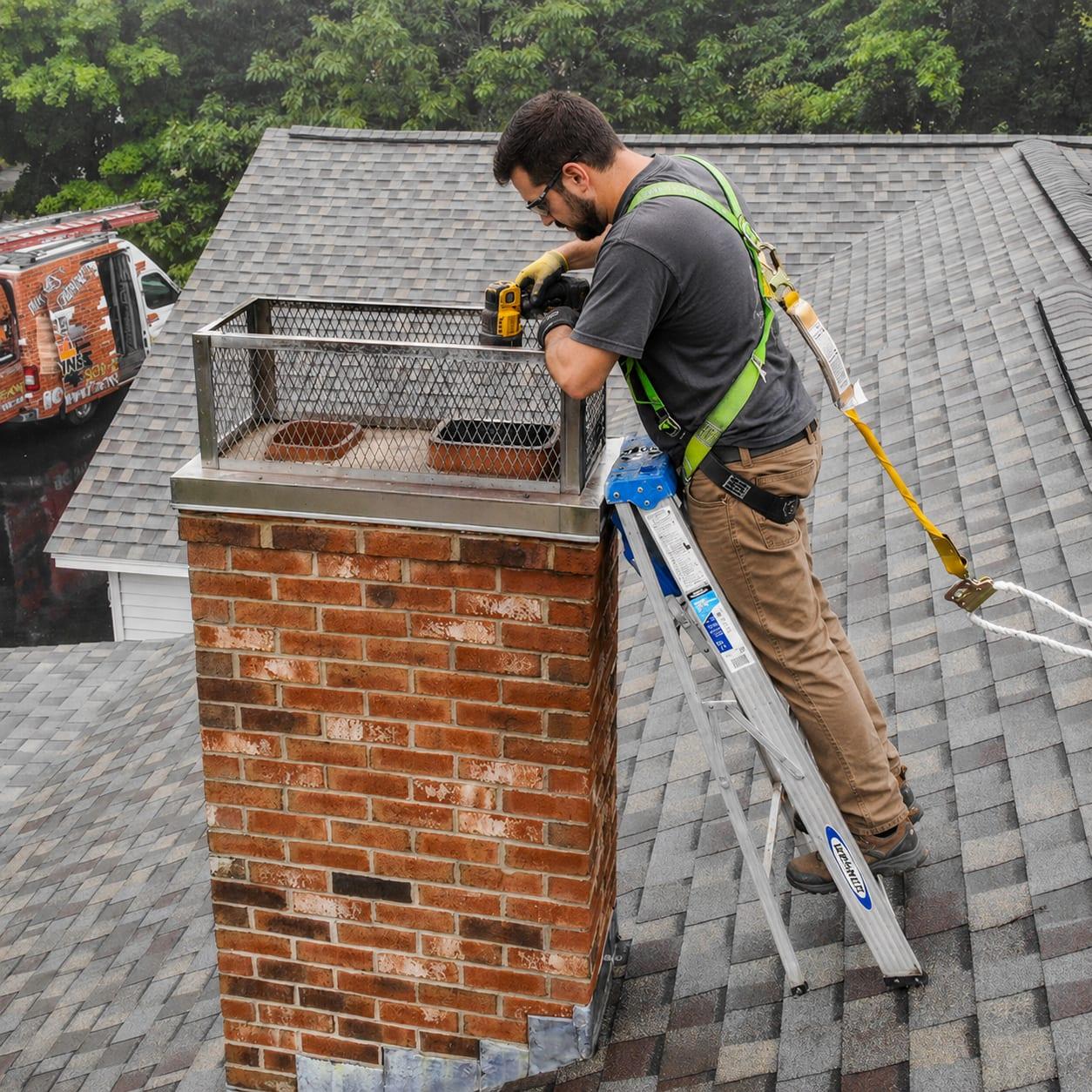
Most rentals need a standard visual inspection. During a chimney fire, get everyone out and call 911 first. When the house has changed hands, had a chimney fire or been through a storm, a camera scan is the better choice, and how chimney inspection level 2 works covers that. If hidden damage is suspected inside walls or the chimney structure, a Level 3 chimney inspection involves opening concealed areas to reach it.
When landlords call for one
- Between tenants, while the unit is empty and easy to access
- Before heating season, ahead of the first cold-weather fires
- When a tenant reports smoke in the room, a strong odor or a damper that won't open
- After a chimney fire, a lightning strike or storm damage
- When you buy a rental and don't know the chimney's history
- When the fireplace hasn't been used in years and a new tenant wants to use it
- When you find signs a tenant burned trash, cardboard or treated lumber
What the visit involves, step by step
Inspecting a chimney in a rental
Arrange access
We schedule with you, your property manager or the tenant, whoever handles entry to the unit.
Outside and roof
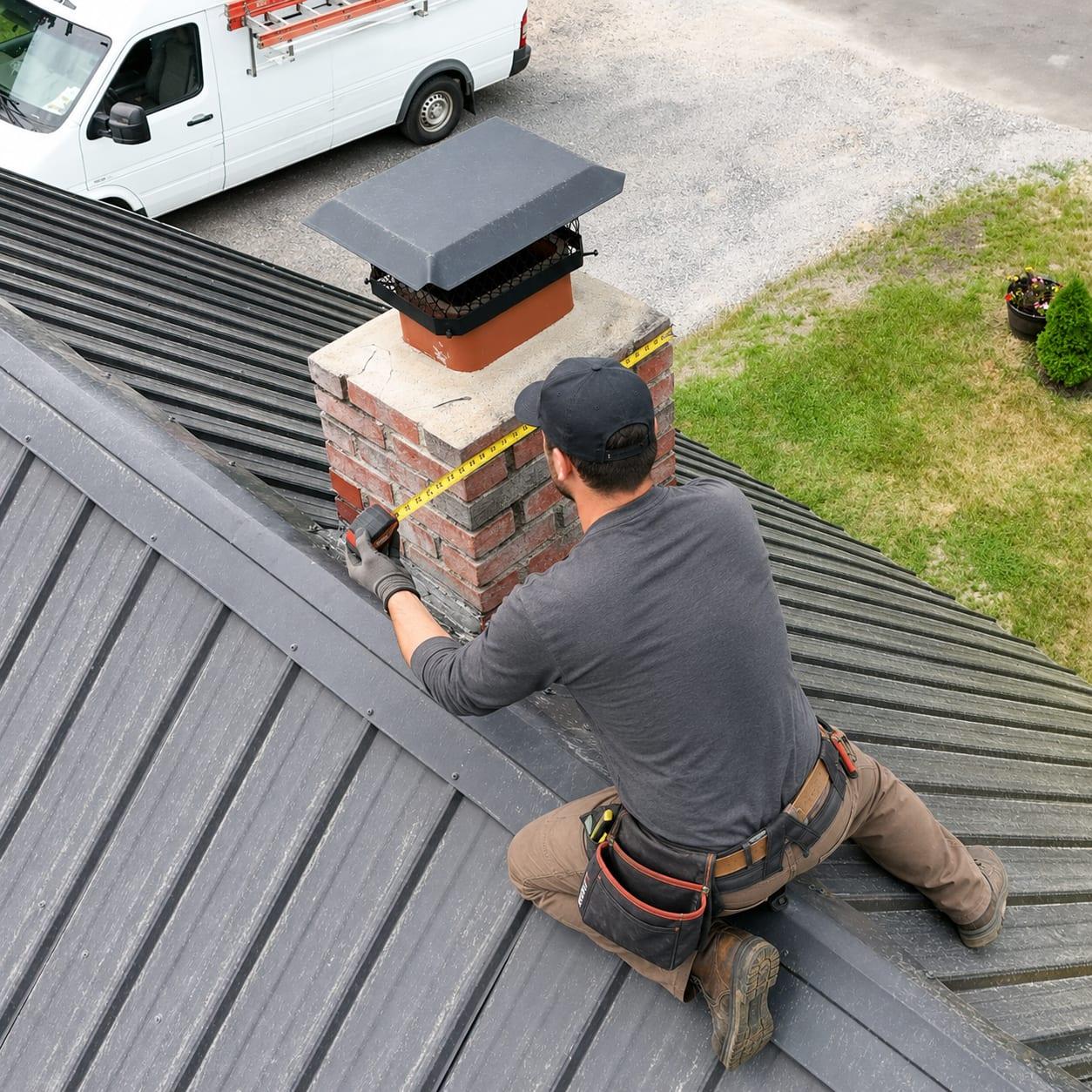
The cap, crown, flashing and masonry or chase are checked for damage and water entry.
Firebox and damper
We check the firebox, hearth, damper and smoke chamber for cracks, creosote and debris.
Flue and appliances
The flue is examined for blockages, nests and liner damage, and any gas units are checked for proper venting.
Findings for the owner
You get a clear account of what needs attention now and what can wait, with free estimates for repairs.
Safety and maintenance between tenants
Tenants change and so do burning habits, so the basics matter more in a rental. Test the smoke and carbon monoxide alarms at every turnover, keep a cap with an animal screen on the chimney, and have it swept when creosote builds up. Our guide to chimney cleaning and safety explains what heavy use does to a flue. For units with gas logs or inserts, our guide to gas fireplace safety inspections lists what to check. Giving tenants simple written guidance on what they can and can't burn also prevents a lot of problems.
Booking a rental property chimney inspection
Commercial and property-manager work is offered, so one rental or a whole portfolio can be scheduled through us. Estimates are free, same-day visits are available when the schedule allows (never guaranteed), and emergency calls are accepted. We work on all major fireplace brands. Call or request an estimate, ideally before your next turnover date.
What gets checked
- Flashing
- Firebox
- Flue and liner
- Crown and cap
- Damper
Signs it's time for rental property chimney inspection
- A fireplace that's hard to use
- Smoke, smells or stains near the fireplace
- Visible damage to the chimney
Before the technician arrives
- Note the make and model of any insert, stove or gas unit if you have it.
- Let the fireplace or stove cool completely — ideally no fire for 24 hours before the visit.
- Clear a few feet of space in front of the hearth or appliance.
- Make sure the technician can reach the roof or attic access if it's needed.
If smoke comes into the room
Stop adding fuel, open a window and don't relight the fire until the chimney has been checked. If the smoke is heavy, an alarm sounds or you suspect a chimney fire, get everyone outside and call 911.