On this page
What fireplace conversion is and what it involves
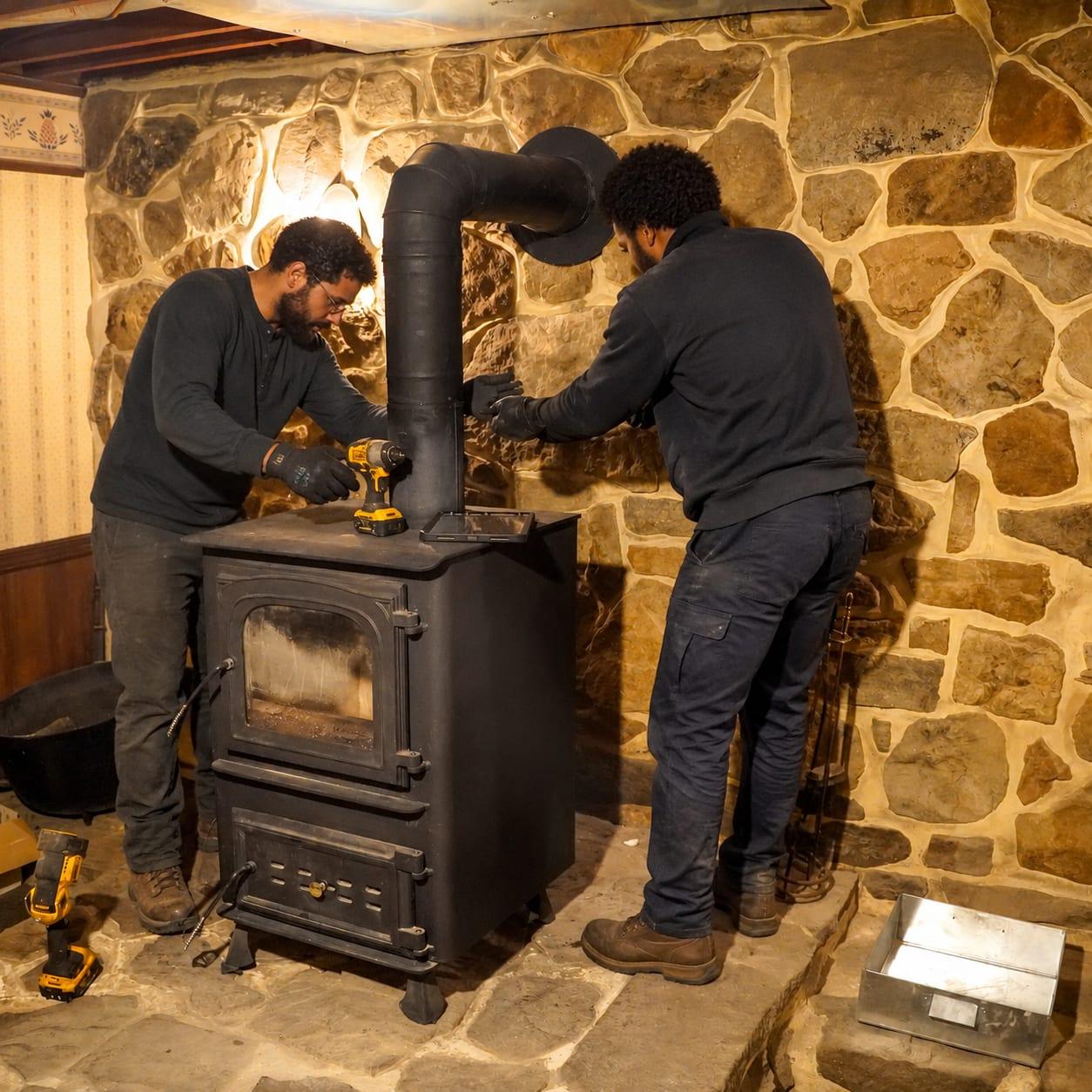
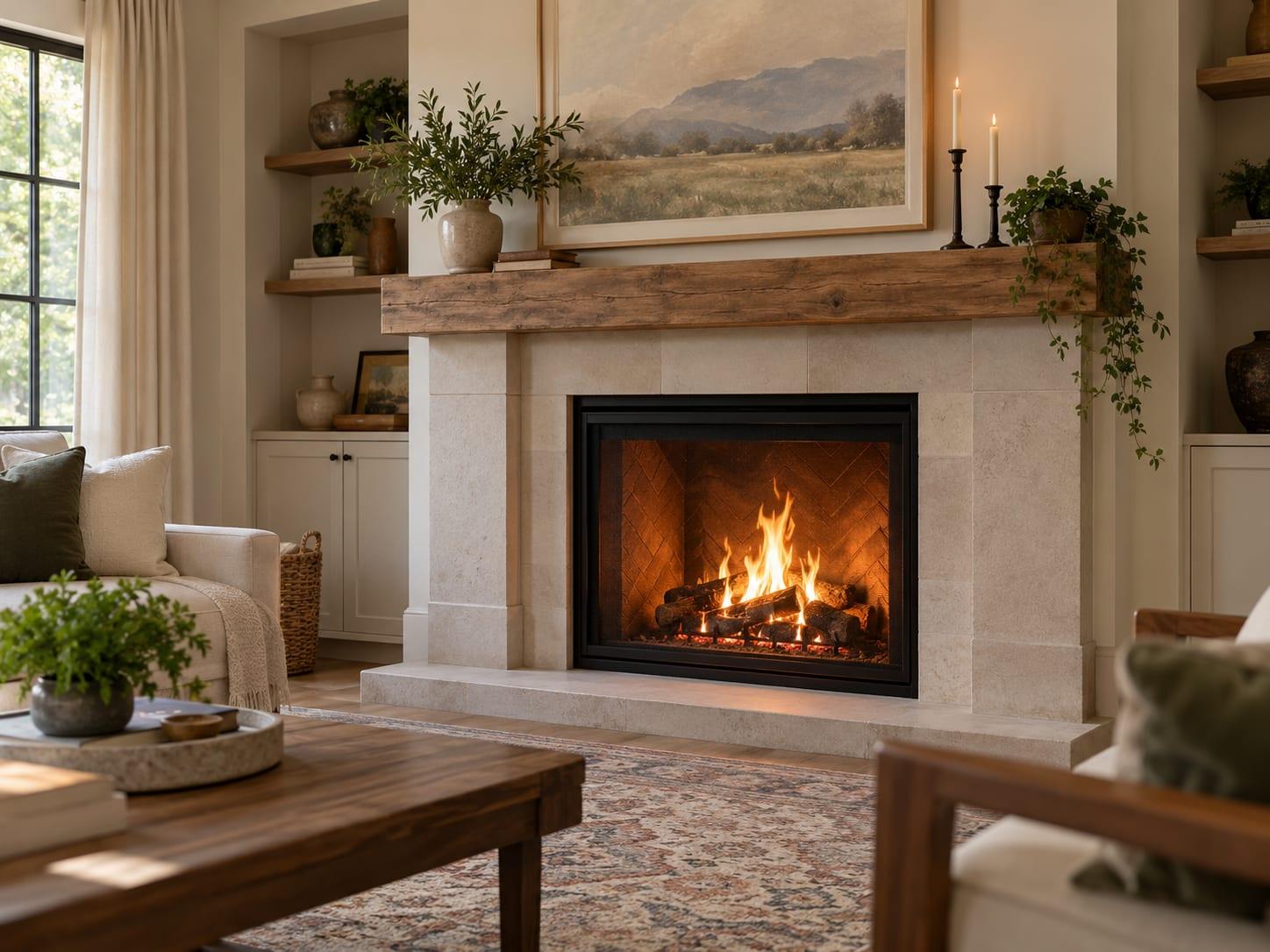
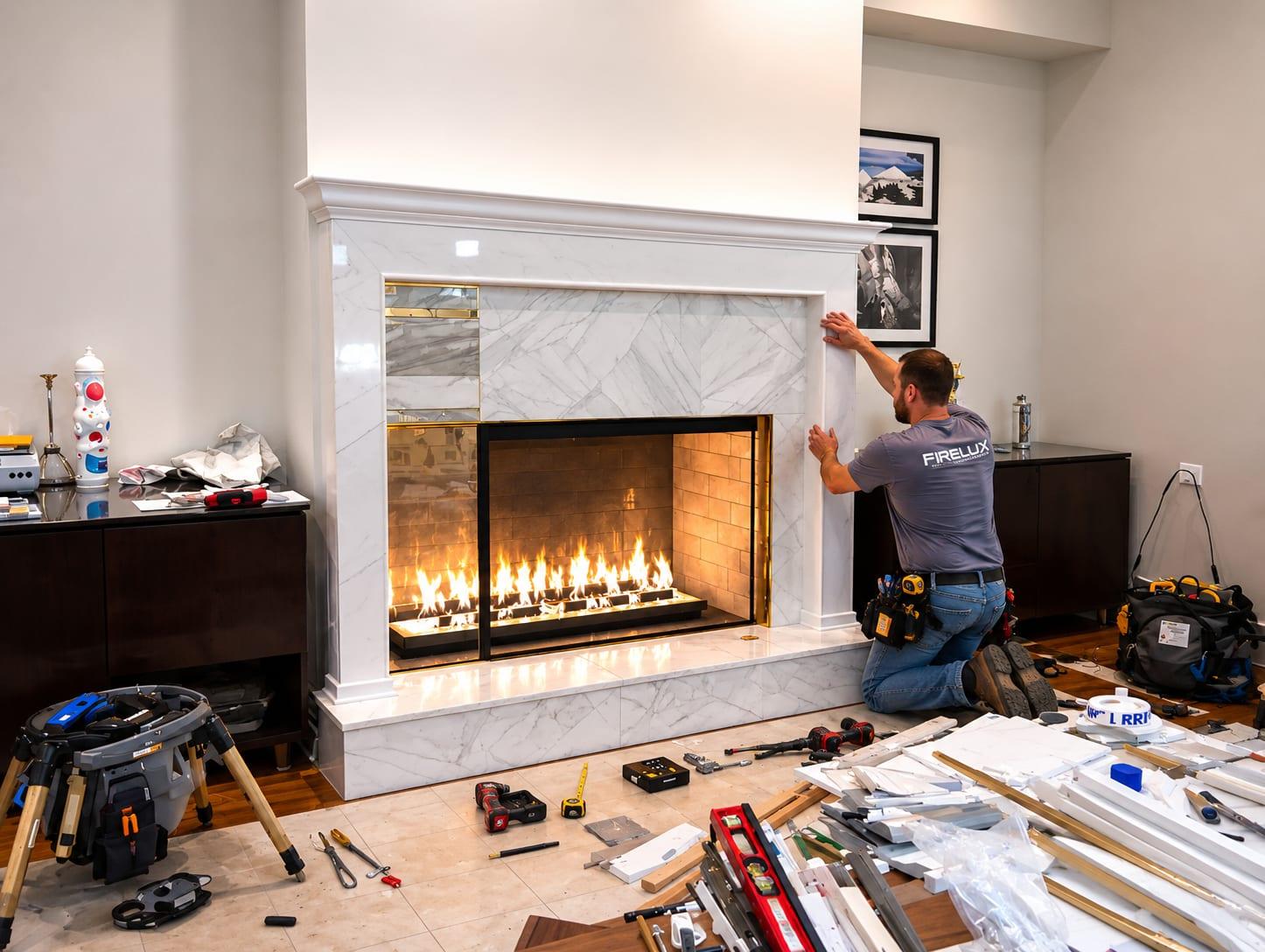
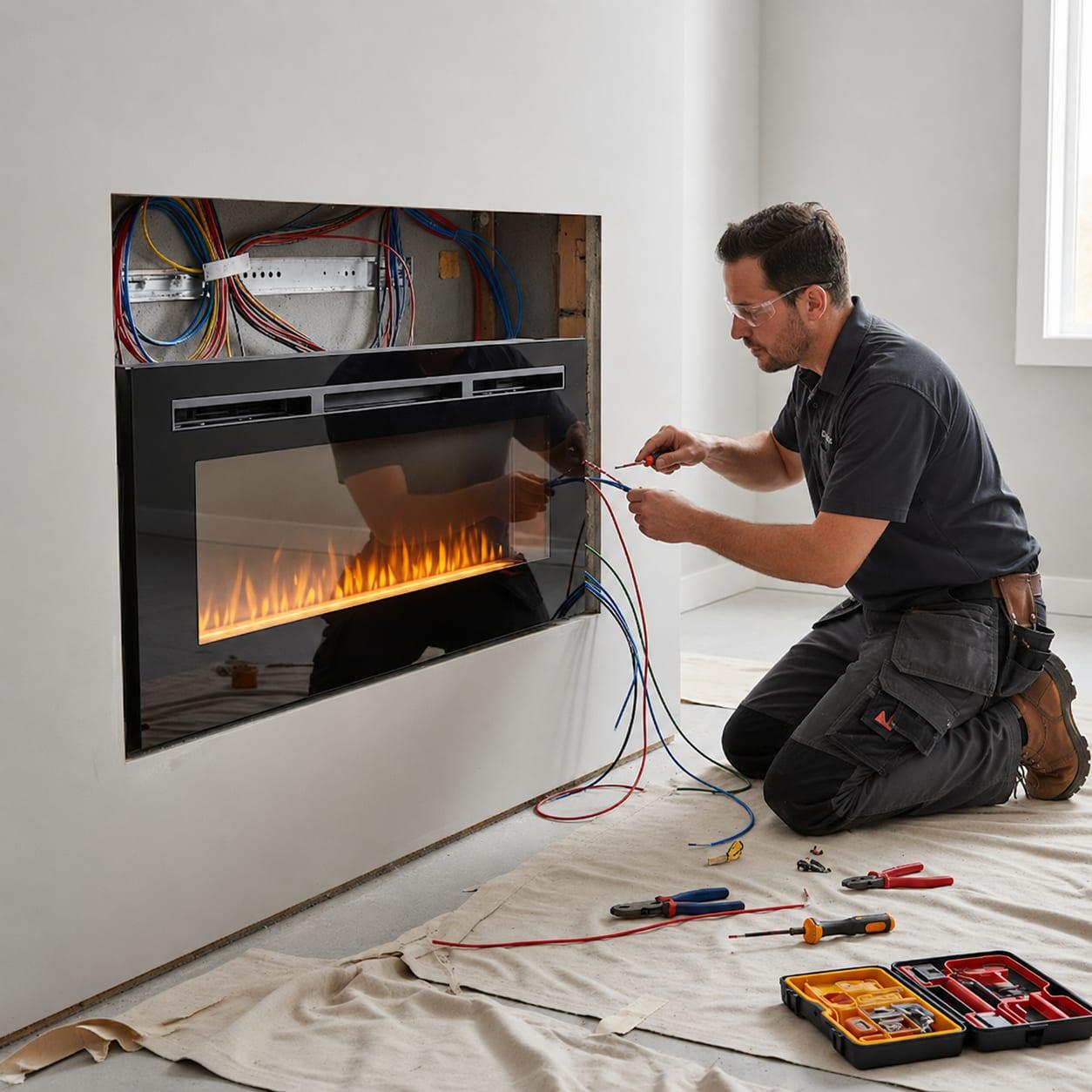
Fireplace conversion changes the fuel a fireplace burns while it stays in the same spot. The most common jobs are wood to gas, using vented gas logs or a gas insert, and wood to electric, using an electric insert. Each route changes something different. Gas needs a fuel supply and correct venting. Electric needs a suitable outlet and uses no flue at all.
| Option | What changes | Usually a good fit when |
|---|---|---|
| Vented gas logs | A burner and ceramic logs sit in the existing firebox, and the chimney stays in use | You want the look of a real fire without hauling wood, and the chimney is sound |
| Gas insert | A sealed unit fits into the firebox and vents through a liner run up the chimney | You want the fireplace to actually heat the room |
| Electric insert | A unit fills the opening, with no combustion and no venting | Gas isn't available, or you'd rather not keep a working flue |
If there's no gas at the fireplace yet, the line can be run as part of the job, because gas fireplace and gas appliance work is part of what we do. The kind of fireplace you have now also shapes your options. Masonry and prefab units convert differently, and our guide to type of Fireplace explains how to tell them apart.
When homeowners need fireplace conversion
Most conversions start with a fireplace that's technically fine but rarely used. These are the usual reasons:
- The wood fireplace sits cold most of the winter because of the hauling, ash and cleanup.
- Most of the heat goes up the chimney, and the room stays chilly even with a fire going.
- Smoke or soot smells have made you stop lighting it.
- The fireplace is in a rental or managed building where wood burning by tenants is a worry. Commercial and property-manager work is offered.
- You want a fire on short notice, for an evening, without tending it.
Conversion isn't always the right job. If the fireplace works and you only want a broken part fixed, fireplace repair is the better call. If you're replacing the whole unit or adding one where none exists, that's a fireplace installation service. If the only issue is a sooty firebox, fireplace cleaning takes care of it.
What the visit involves, step by step
From first look to first fire
Assess the fireplace
We note the fireplace type, firebox size and condition, the damper, and the flue as seen from below.
Talk through fuel and use
We check whether gas is nearby and where the closest outlet is. We also ask how you want to use the fire: for looks, for heat, or both.
Match the options
We narrow the choice to the conversions that fit the opening and the venting you have.
Free estimate
You get a clear scope of the work before anything is ordered or installed.
Prepare and install
The firebox is cleaned first. Then the gas logs, insert or liner, or electric unit goes in. Any gas connection is leak-checked before lighting.
Walk-through
We show you how to operate the new setup and explain what upkeep it needs.
Living with a converted fireplace
Gas fireplaces still need their venting kept clear, and wood should never be burned on a firebox fitted with gas logs. Electric units should be plugged in the way the manufacturer specifies. Many homeowners update the surround at the same time, and the benefits of Fireplace Refacing are worth weighing while the fireplace is already open for work.
Booking a fireplace conversion
Estimates are free, so you can find out which conversion suits your fireplace before committing to anything. Same-day visits are available when the schedule allows, though they're never guaranteed. We work with all major brands of gas logs, inserts and electric units. Call or request an estimate to get started.
What gets checked
- Opening or framing dimensions
- Gas supply or electrical needs
- Vent or liner route and length
- Required clearances to combustibles
- Permit requirements
How to prepare
- Clear a few feet of space in front of the hearth or appliance.
- Write down what you've noticed and when it happens — smells, smoke, sounds or stains.
- Keep pets in another room while the work area is open.
- Note the make and model of any insert, stove or gas unit if you have it.
If you smell gas
Leave the home right away, don't use switches or phones inside, and call your gas utility or 911 from outside.
Signs it's time for fireplace conversion
- A damaged factory-built unit past repair
- A remodel that adds or moves a fireplace
- A switch from wood to gas or electric
- An open fireplace that sends most of its heat up the chimney
- A worn-out insert or stove