On this page
- What chimney installation is and what it involves
- When homeowners need chimney installation
- What the visit involves, step by step
- Components, materials and fuel types
- Chimney vent installation
- Chimney cricket installation
- The next step
- Before the technician arrives
- What we look at
- When to book chimney installation
What chimney installation is and what it involves
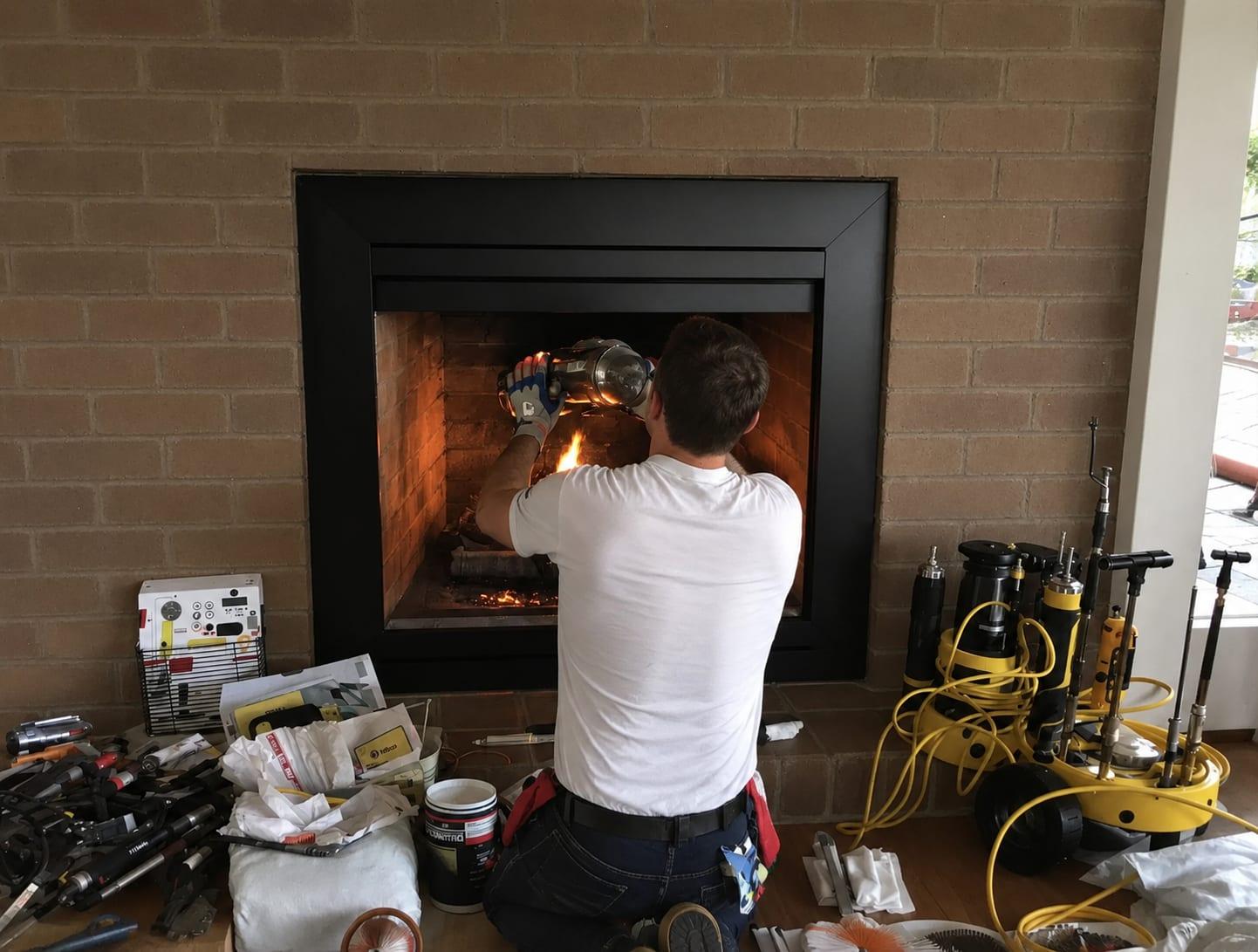
Chimney installation means building or fitting a complete venting system where there isn't one, or where the old one can't be saved. Depending on the house and the appliance, that can be a masonry chimney laid brick by brick, a factory-built metal chimney inside a framed chase, or a vent system for a gas fireplace or insert. The flue, the structure around it, the roof connection and the top are all sized and planned together. When a new hearth is going in, the chimney is usually designed alongside the fireplace installation so the two fit each other from the start.
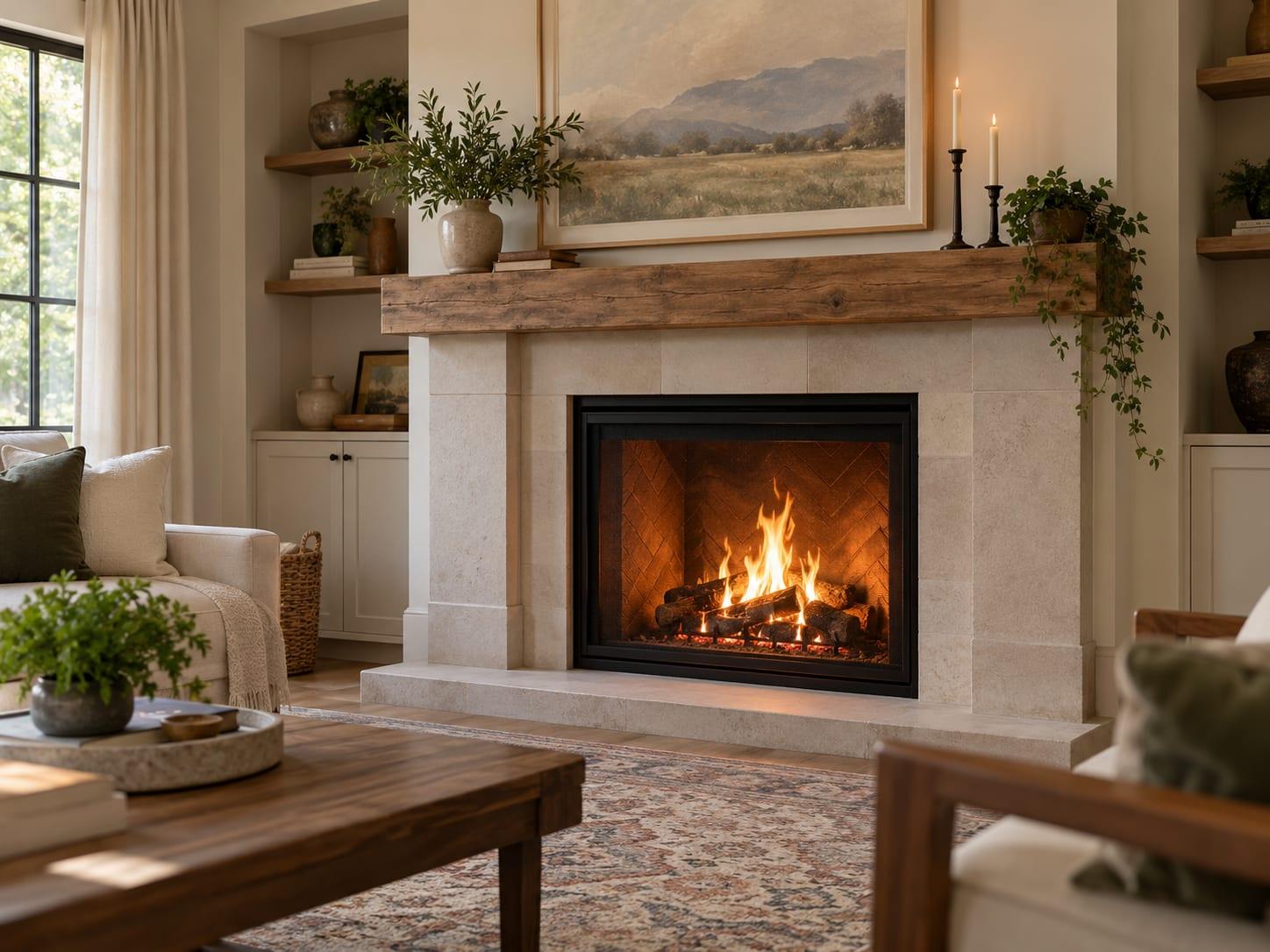
If your chimney is standing and structurally sound but cracked, leaking or worn, repair is usually the right job instead of a new installation.
When homeowners need chimney installation
- You're adding a fireplace, wood stove, insert or gas appliance to a room with no chimney.
- An old chimney has been taken down or is too far gone to repair.
- A change of fuel leaves the existing flue the wrong size or type for the new appliance.
- Smoke spills into the room because the flue doesn't match the firebox or the appliance outlet.
- A remodel or addition moves the fireplace, so the old chimney no longer lines up.
What the visit involves, step by step
From first look to first fire
Look at the appliance and the house
We note the fuel type, where the appliance will sit, the framing above it and the roof pitch where the chimney will come through.
Plan the route and size the flue
The flue is matched to the appliance, and the path through floors, attic and roof is chosen to keep proper clearances.
Free written estimate
You get the plan and the scope in writing before any work is scheduled.
Build or install
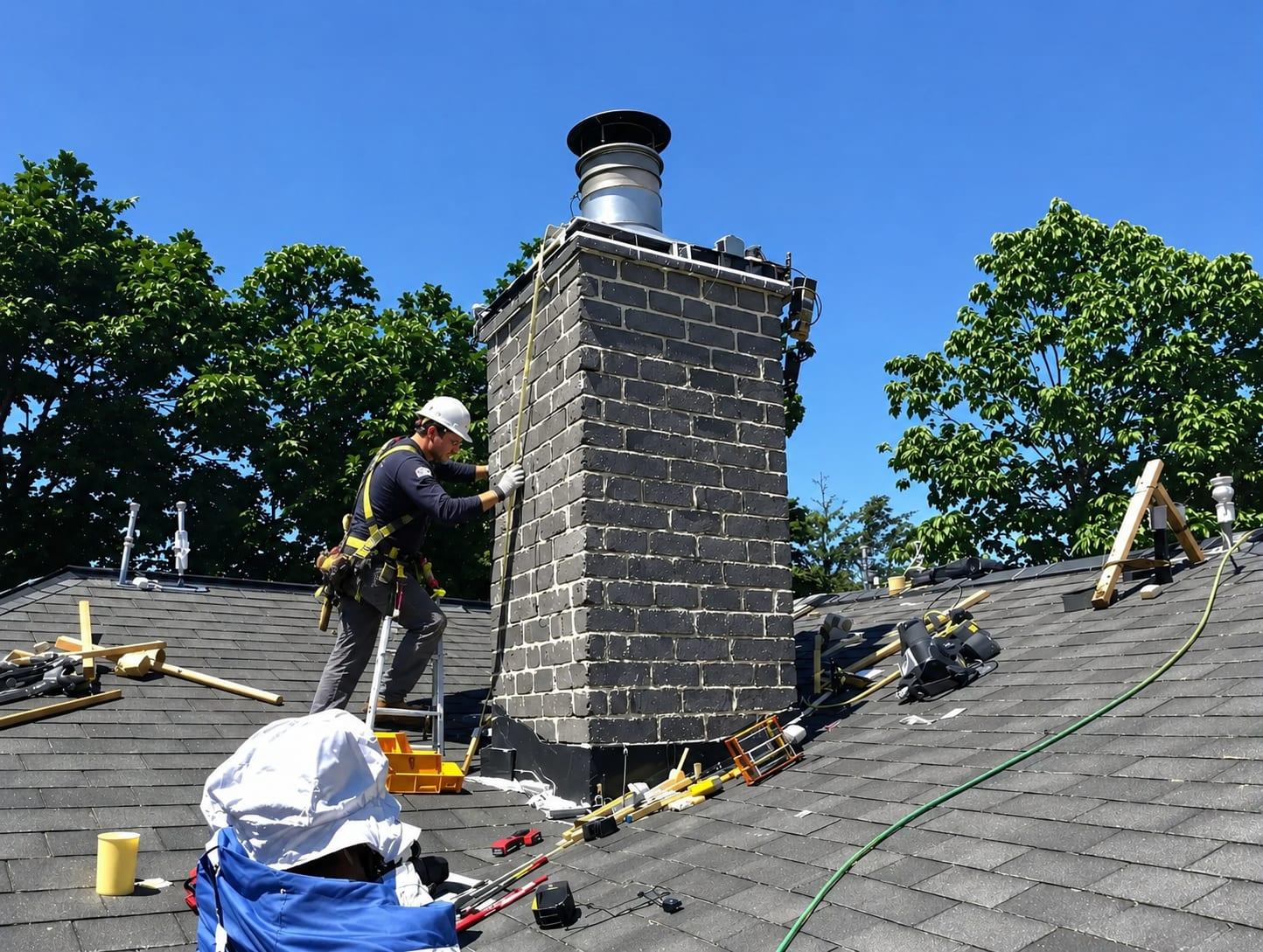
Depending on the design, that means laying masonry or framing a chase, setting flue sections, cutting the roof opening and flashing the chimney into the roof.
Finish the top
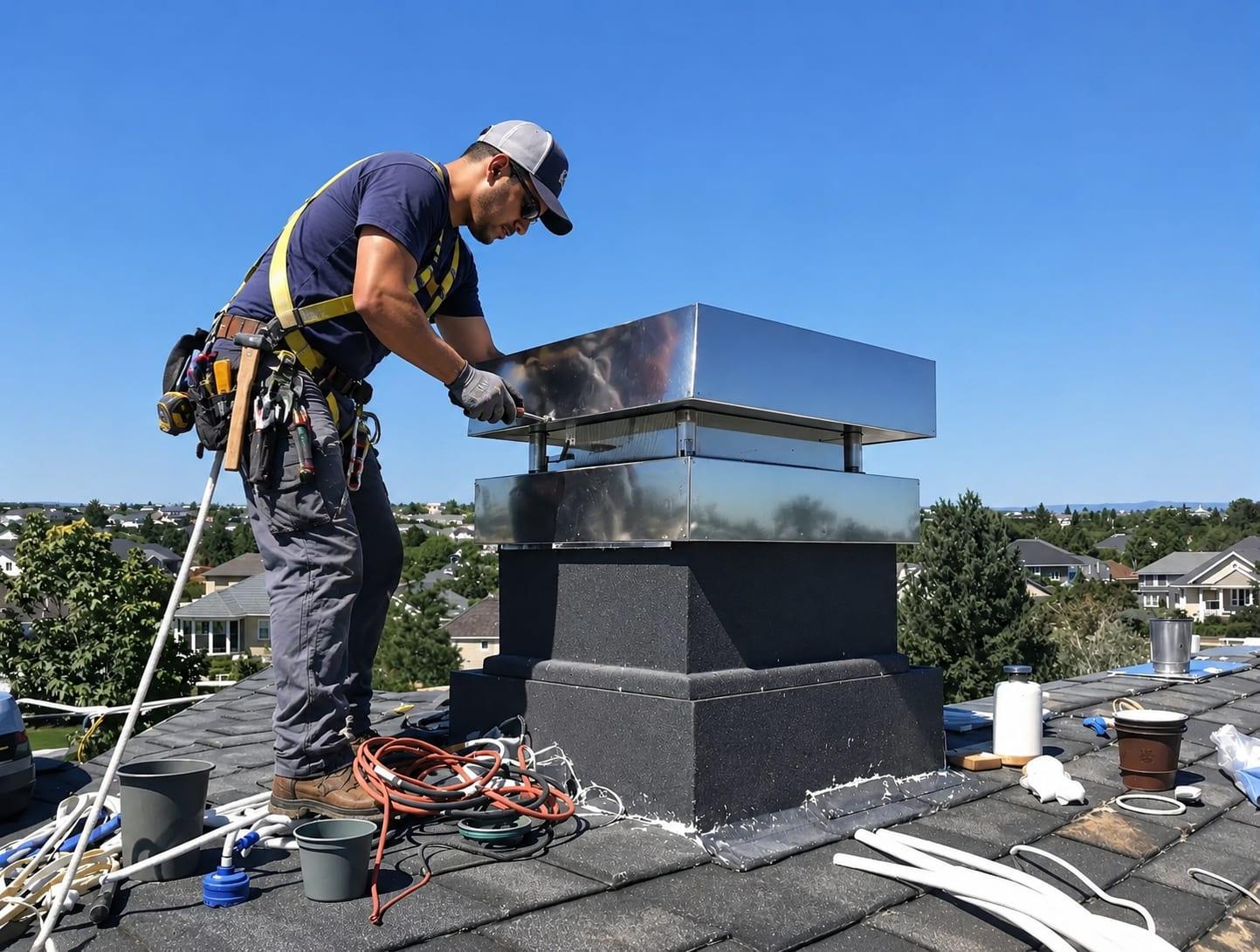
A crown, cap or chase cover goes on to shed water and keep out animals and debris.
Test the draft
With the appliance connected, we confirm the chimney pulls smoke or exhaust up and out the way it should.
Components, materials and fuel types
A masonry chimney is brick or block around a liner of clay tile or stainless steel; the liner is what actually contains the heat and gases, which is why every chimney needs a liner no matter how solid the brick looks. A factory-built chimney uses metal pipe sections made for the appliance, enclosed in a framed chase and topped with a chase cover — the difference between that and a masonry cap is laid out in chimney caps vs chase covers. Gas appliances use smaller vent systems. We also handle brick chimney installation and metal chimney installation as standalone jobs, along with chimney cap installation and chimney liner installation.
Flue installation
The flue is the passage smoke travels through, and its size matters as much as the chimney around it. Too large, and gases cool and move slowly, leaving more condensation and creosote; too small, and smoke backs up into the room. The flue is sized to the appliance outlet and run as straight as the house allows.
New masonry installation
A new masonry chimney starts with a solid footing to carry its weight, then the firebox connection, smoke chamber, flue and brick stack, finished with a crown that sheds water away from the flue.
Chimney vent installation
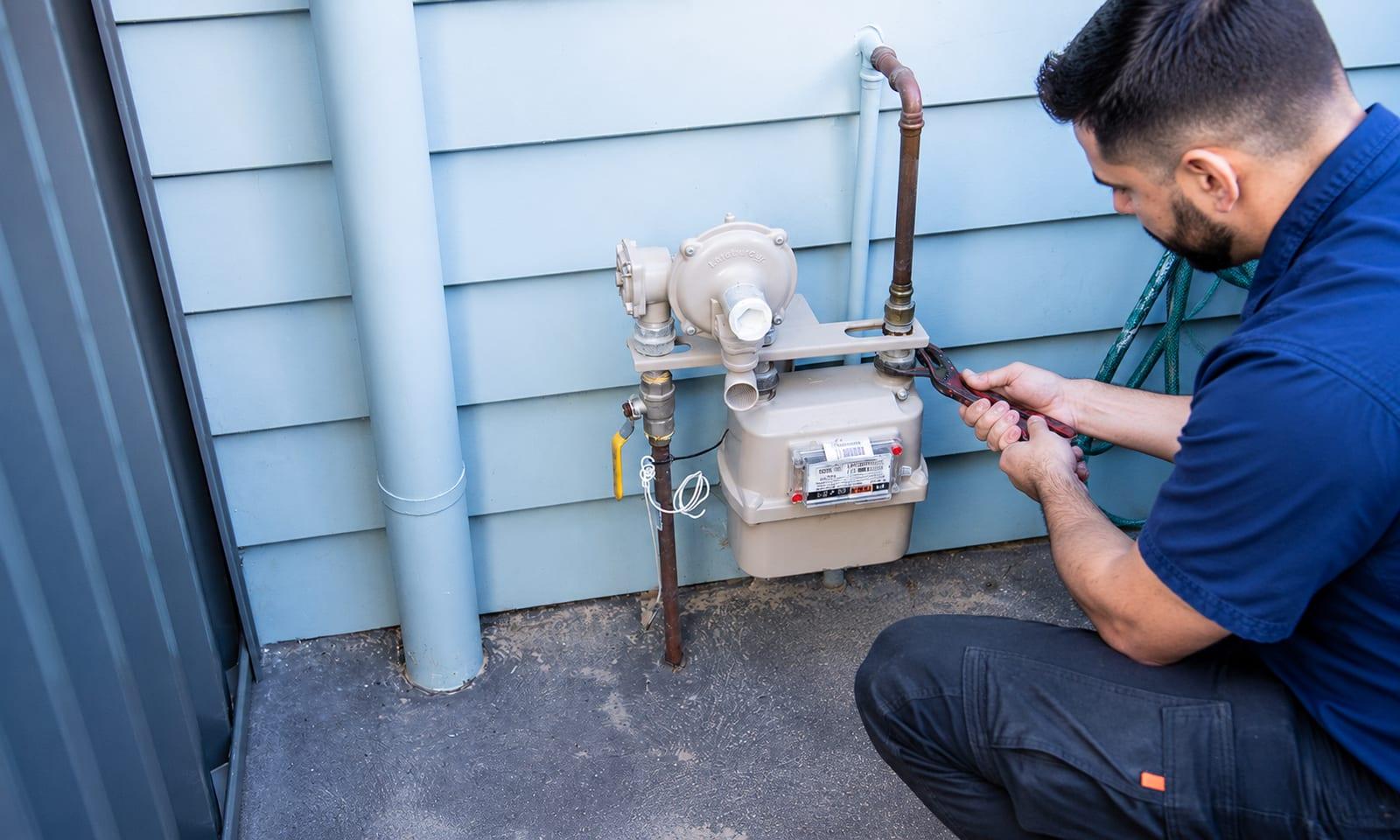
For gas fireplaces, gas inserts and many sealed appliances, the chimney is a vent system rather than a masonry flue. Direct-vent pipe uses one pipe inside another: the outer one brings in outdoor air for combustion, and the inner one carries exhaust out through a wall or the roof. Other appliances use B-vent pipe that runs up through the roof. We do gas fireplace and gas appliance work and install vents for all major brands, following the appliance maker's venting instructions. Dryer vents are a separate system; we handle dryer vent replacement and rerouting as their own jobs.
Chimney cricket installation
A cricket, sometimes called a saddle, is a small peaked structure built on the uphill side of a chimney. It splits rain and leaves around the chimney instead of letting them pile up against the back wall, which is one of the most common places for chimney leaks to start. Wide chimneys on sloped roofs are the usual candidates. The cricket is framed, sheathed, roofed to match and flashed into the chimney along with the rest of the installation.
Top mount damper install
A top-mount damper sits at the very top of the flue and is opened and closed by a cable that runs down to the firebox. When it's closed, it seals much tighter than an old throat damper and keeps rain, animals and outside air out of the flue. The benefits of chimney caps and dampers explains how the two work together, and an existing damper that sticks or won't close is usually a job for chimney damper repair.
The next step
Estimates are free, so the first step is a visit to look at the house and the appliance you have in mind. Same-day visits are available when the schedule allows, and emergency calls are accepted. We also take on commercial and property-manager projects. If your home is farther out, we offer chimney installation too. Call or request an estimate to get started.
Before the technician arrives
- Keep pets in another room while the work area is open.
- Move rugs, photos and anything fragile away from the work area.
- Let the fireplace or stove cool completely — ideally no fire for 24 hours before the visit.
- Write down what you've noticed and when it happens — smells, smoke, sounds or stains.
What we look at
- Firebox
- Flashing
- Crown and cap
- Damper
- Flue and liner
When to book chimney installation
- A fireplace that's hard to use
- Visible damage to the chimney
- Smoke, smells or stains near the fireplace
Carbon monoxide
A blocked or damaged flue can push carbon monoxide into the home. If an alarm sounds or anyone feels dizzy or sick near the fireplace, get everyone outside and call 911.