On this page
What prefab fireplace replacement involves
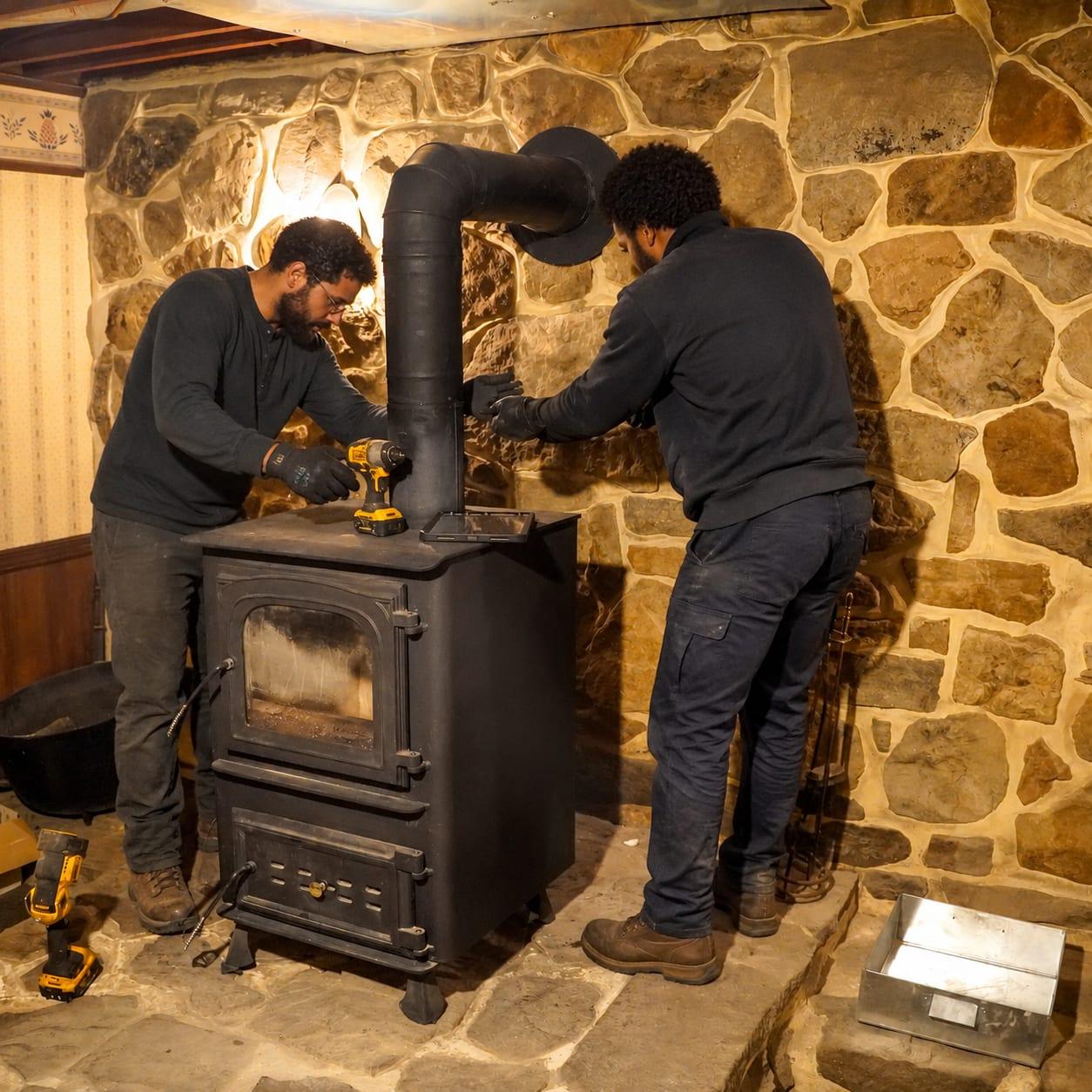
A prefab fireplace, also called a zero-clearance unit, is a steel firebox set into a wood-framed opening and lined with refractory panels. When parts wear out, the fix may be as simple as new panels, a grate, a damper part or new glass. Our fireplace glass replacement & door repair work handles the doors and glass.
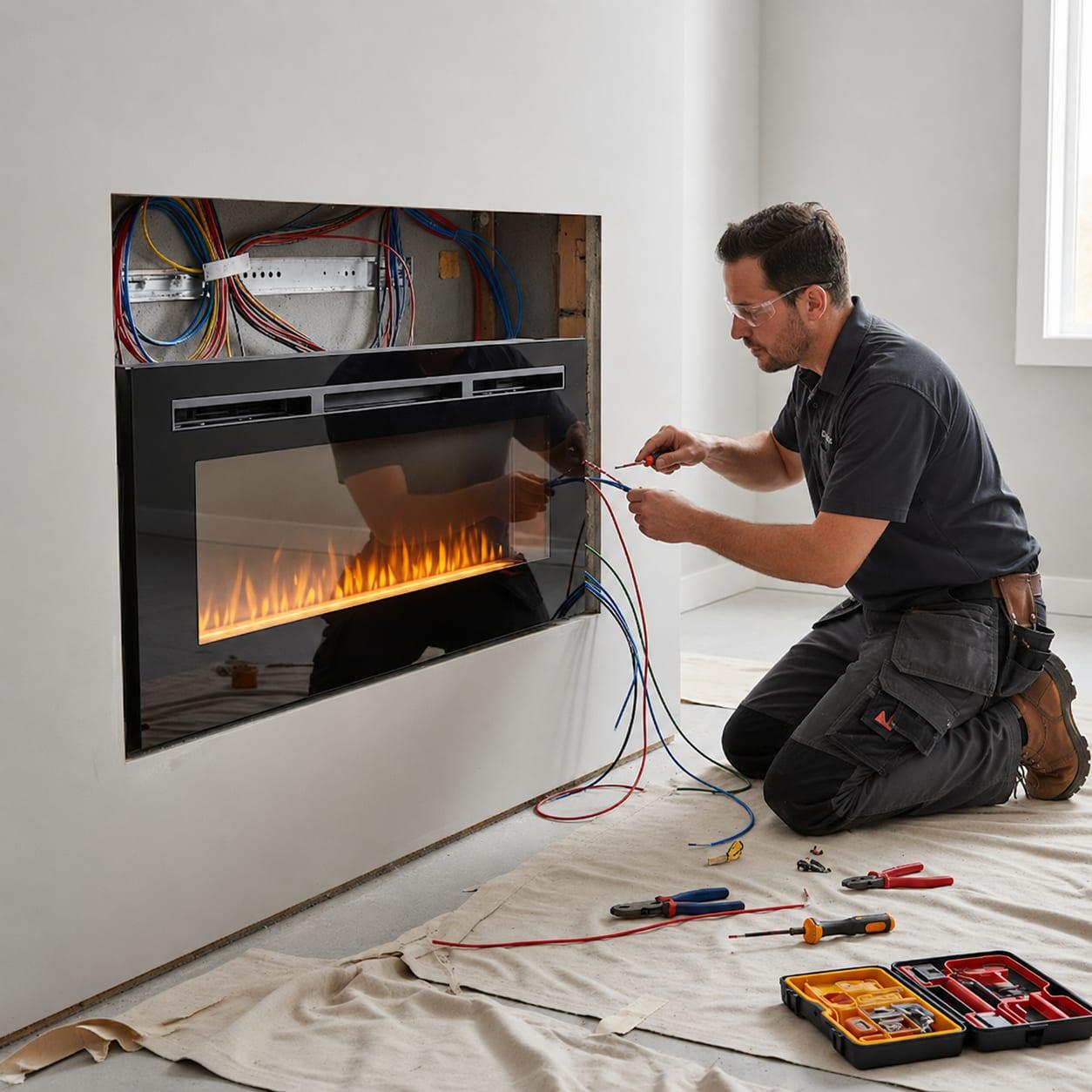
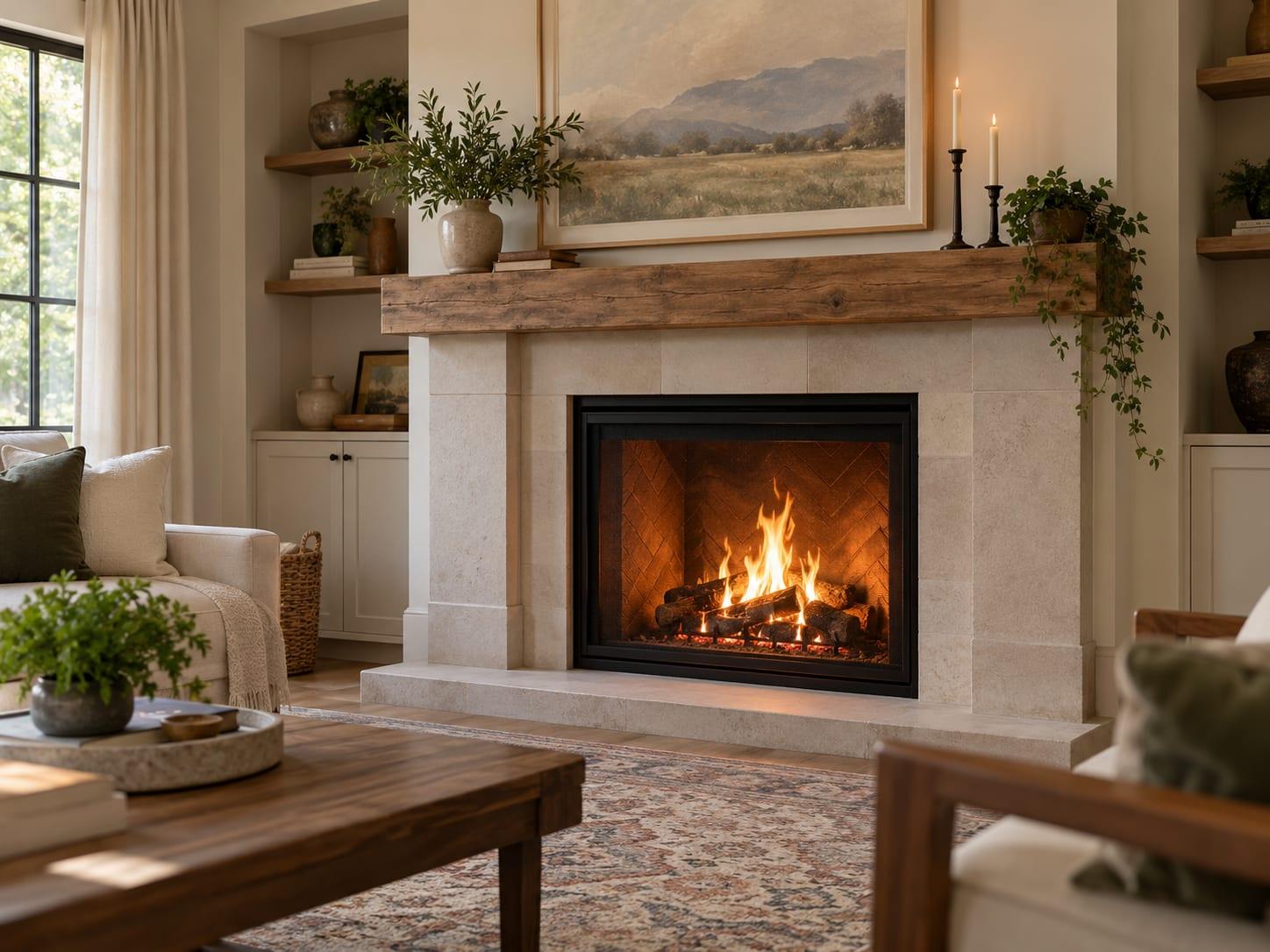
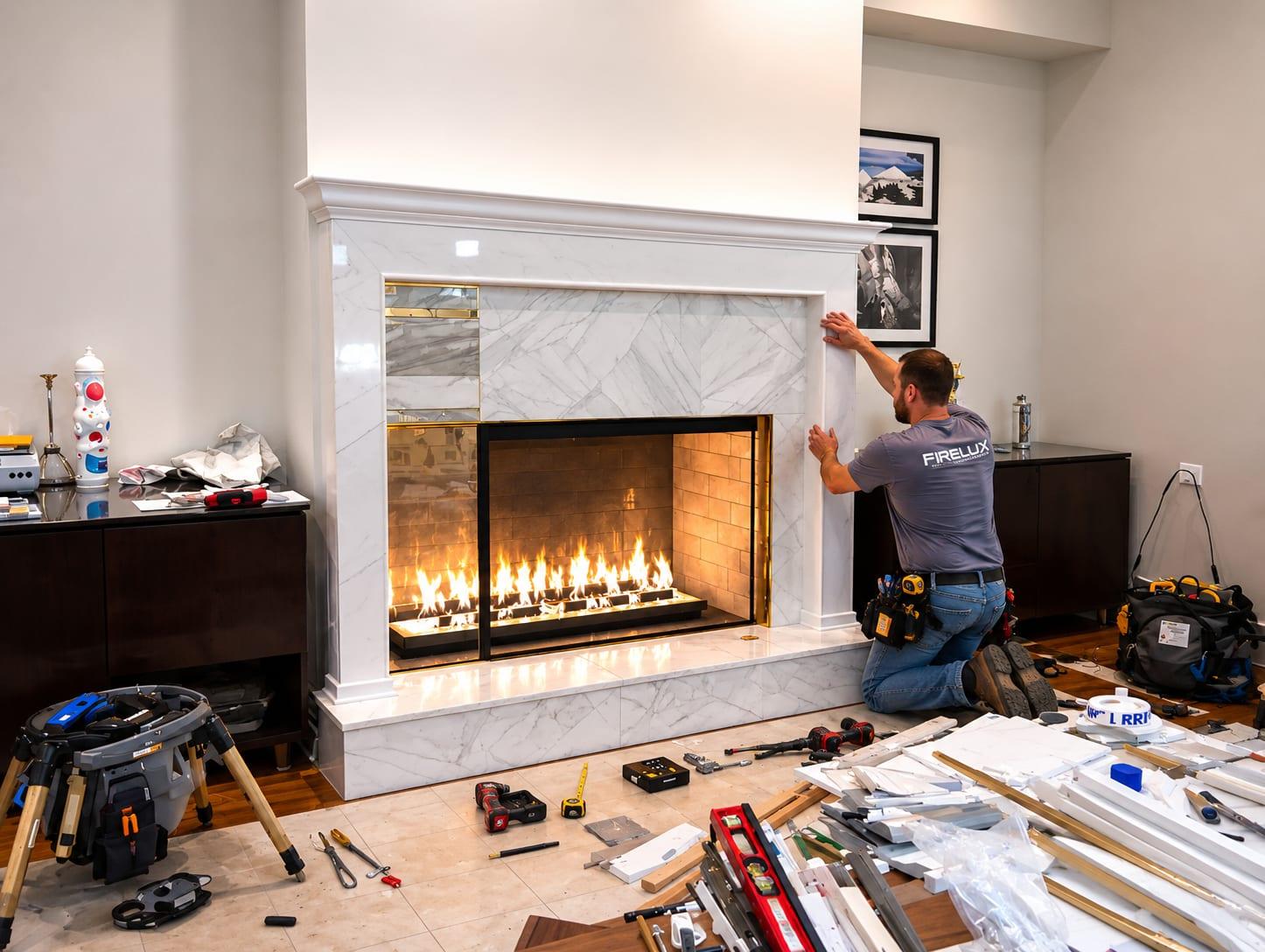
When the metal box itself fails, the unit is removed and a new one is installed in the opening. The new unit can burn wood or gas, or it can be an electric model. A new wood-burning unit usually needs the chimney system it's listed with, so the venting is often replaced too. Our guide to every type of fireplace compares the options, and our old fireplace repair and replacement work covers older masonry hearths.
Signs it's time to replace parts or the whole unit
- Cracked or crumbling refractory panels. These are replaceable if the steel behind them is still sound.
- Rust-through, warping or bulging in the firebox floor, walls or top
- Seams that have separated, leaving gaps where heat can reach the framing
- A damper that won't open or seal, with parts no longer available
- Water damage from a leaking chase that has rusted the unit
- A discontinued model, or no data plate to identify it
- A wish to switch from wood to gas or electric
Choosing a replacement fuel
| Option | Venting | What else it needs |
|---|---|---|
| Wood-burning unit | The metal chimney system it's listed with | Firewood storage and regular sweeping |
| Gas unit | Direct-vent pipe or the vent type the model specifies | A gas line to the fireplace |
| Electric unit | No venting | A nearby electrical outlet or circuit |
What the visit involves, step by step
From the first look to the new fire
Identify the existing unit
We find the data plate, note the model and check the firebox, panels, damper and chimney.
Repair or replace
If parts will do the job, we say so. If the box has failed, we go over replacement units that fit the framed opening.
Remove the old unit
We disconnect and take out the old fireplace and, where needed, the chimney sections that don't match the new unit.
Install the new unit
We set the new fireplace, connect the listed venting and run or connect the gas line for a gas model.
Finish and test
We close up the surround, fire the unit and walk you through how it operates.
A new firebox needs matching venting
A replacement prefab unit generally can't be connected to the old unit's chimney unless it's listed for it. Mismatched parts can overheat nearby framing. Our guide to enhancing fireplace safety covers related precautions.
Planning your replacement
We work on all major fireplace brands, including gas fireplaces and gas appliances, and we handle commercial and property-manager properties too. If you want to update the look while the unit is out, our guide to the benefits of fireplace refacing covers surround options. Where there's no fireplace yet, start with our fireplace installation service. Get in touch to request an estimate.
How to prepare
- Write down what you've noticed — smoke at the door, a hard-to-control fire, noises or smells.
- Have the make and model handy; it's usually on a plate on the back or under the ash lip.
- Make sure the roof or the attic access can be reached if the flue needs to be checked from above.
- Let the fireplace go out and cool completely — ideally no fire for a full day before the visit.
Signs of a chimney fire
A loud roaring sound, a glowing connector pipe, dense smoke or sparks from the top of the chimney can mean a chimney fire. Get everyone out and call 911; have the system inspected before the next fire.
What the technician checks
- Listed chimney or vent route
- Chase and chase cover
- Framing and clearances
- Permit requirements
- Gas supply or hearth requirements by fuel