On this page
What ventilation cleaning is and what it involves
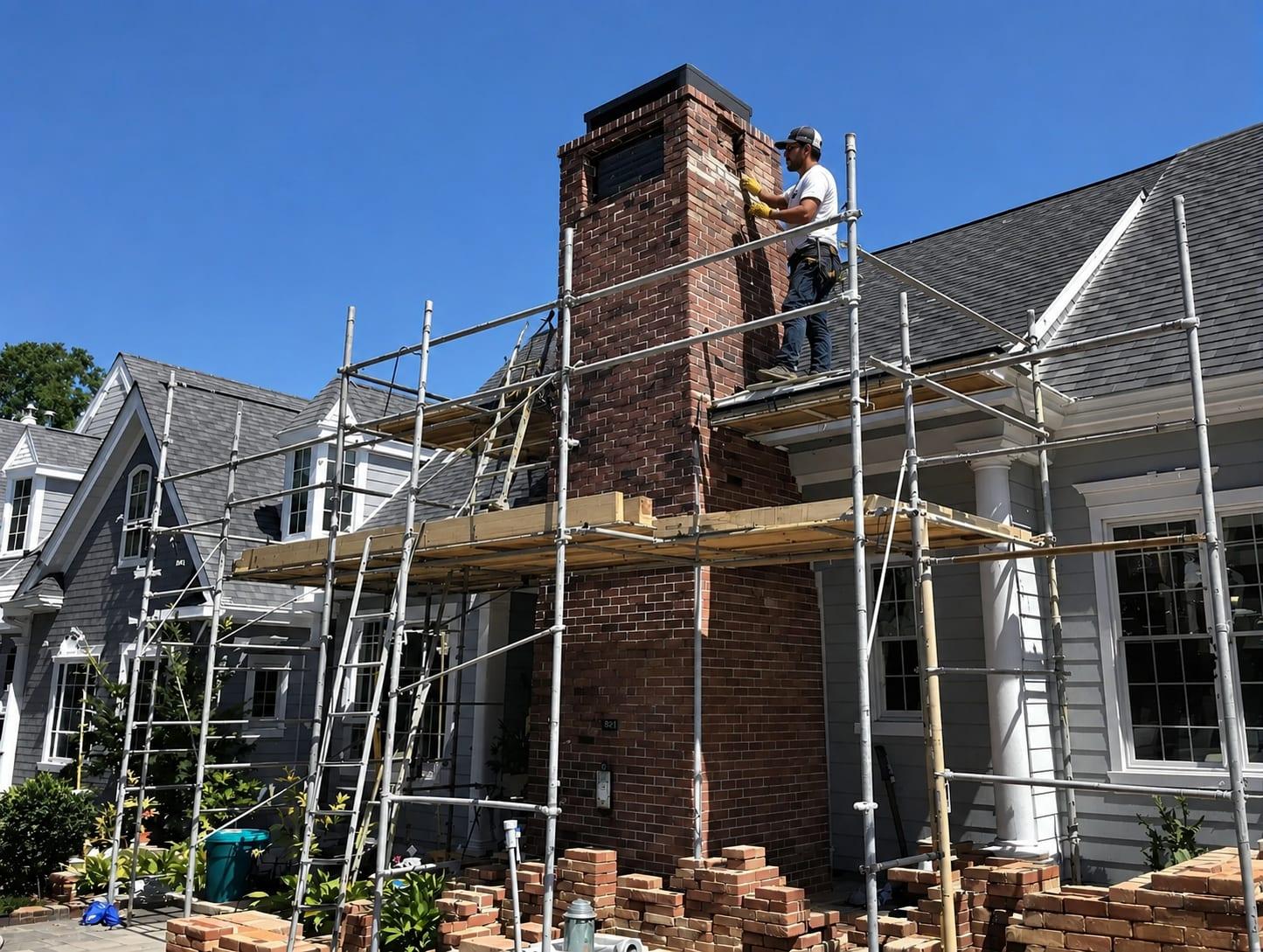
Ventilation cleaning looks at how air enters, circulates and leaves your home, then cleans the paths that are restricted. Depending on what the home has, that can include supply and return ductwork, the dryer vent from machine to exterior cap, and the venting for fireplaces, inserts and wood or pellet stoves, where soot and creosote build up.
Each path collects something different. Ducts gather dust and debris, dryer vents gather lint, and combustion venting gathers soot and creosote. What they share is that buildup slows airflow, and slow airflow in an exhaust path means heat, moisture or fumes stay where they shouldn't.
When homeowners need ventilation cleaning
- Some rooms stay warmer or cooler than others despite open registers.
- Clothes take more than one dryer cycle, or the laundry room gets hot.
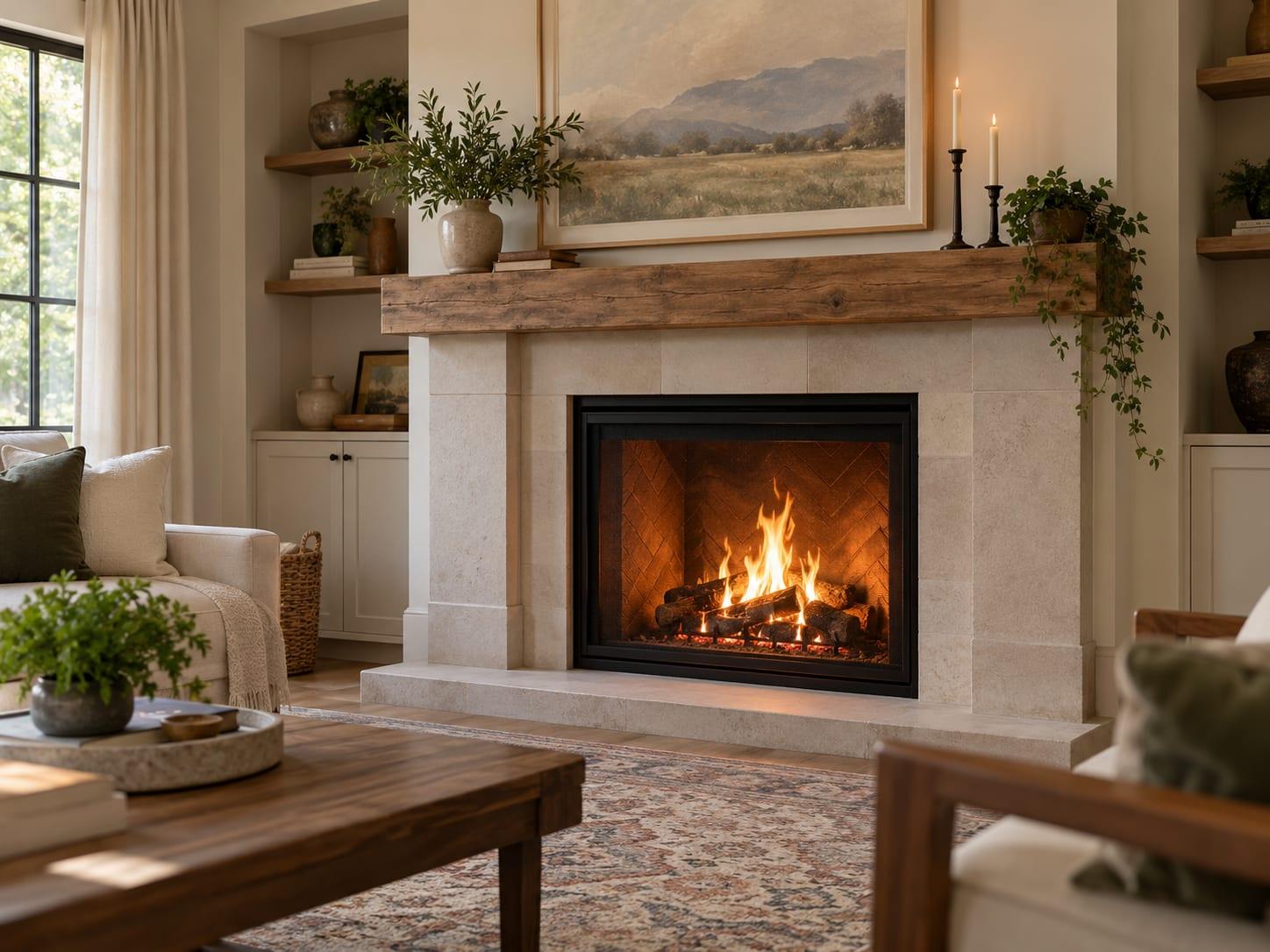
- The fireplace smokes, smells or draws poorly.
- Soot or dark staining shows near fireplace or stove vents.
- A musty or stale smell lingers in the house.
- You just bought a home and don't know when any of it was last cleaned.
When the issue is clearly limited to the ducts, a focused air duct cleaning service or a job to clear clogged air ducts may be all you need. Ventilation cleaning makes sense when symptoms show up in more than one place.
What the visit involves, step by step
How a ventilation cleaning visit runs
Map the paths
The technician identifies every airflow path in the home: ducts, dryer vent, fireplace and stove venting.
Check airflow and condition
Each path is checked for restriction, buildup and damage, so effort goes where it is needed.
Clean what is restricted
Ducts are brushed and vacuumed, lint is cleared from the dryer vent, and soot and creosote are removed from combustion venting.
Recheck
Airflow and draft are checked again after cleaning.
Walk through the results
You hear what was found, what was cleaned and anything needing repair, with a free estimate before further work.
Safety and maintenance context
The exhaust paths matter most for safety. A lint-packed dryer vent is a fire risk, and creosote in fireplace or stove venting can ignite. A restricted flue on a gas fireplace or gas appliance can push exhaust back indoors. Our chimney cleaning and safety guide covers why combustion venting needs regular attention, and working carbon monoxide alarms are a sensible backup in any home with fuel-burning appliances.
Moisture is the other enemy. Water getting into a chimney mixes with deposits in the flue and causes lingering odors, which the benefits of chimney waterproofing can help prevent. Inside the house, whole-system ductwork cleaning every few years keeps circulating air cleaner.
Booking ventilation cleaning
Emergency calls are accepted, for example when a vent is blocked and smoke or heat is backing up. Commercial properties and property managers can also arrange service. Call or request an estimate to get started.
What we look at
- Firebox
- Flue and liner
- Damper
- Crown and cap
- Flashing
If smoke comes into the room
Stop adding fuel, open a window and don't relight the fire until the chimney has been checked. If the smoke is heavy, an alarm sounds or you suspect a chimney fire, get everyone outside and call 911.
When to book ventilation cleaning
- Visible damage to the chimney
- Smoke, smells or stains near the fireplace
- A fireplace that's hard to use
Before the technician arrives
- Write down what you've noticed and when it happens — smells, smoke, sounds or stains.
- Keep pets in another room while the work area is open.
- Move rugs, photos and anything fragile away from the work area.
- Make sure the technician can reach the roof or attic access if it's needed.