On this page
What metal Chimney installation involves
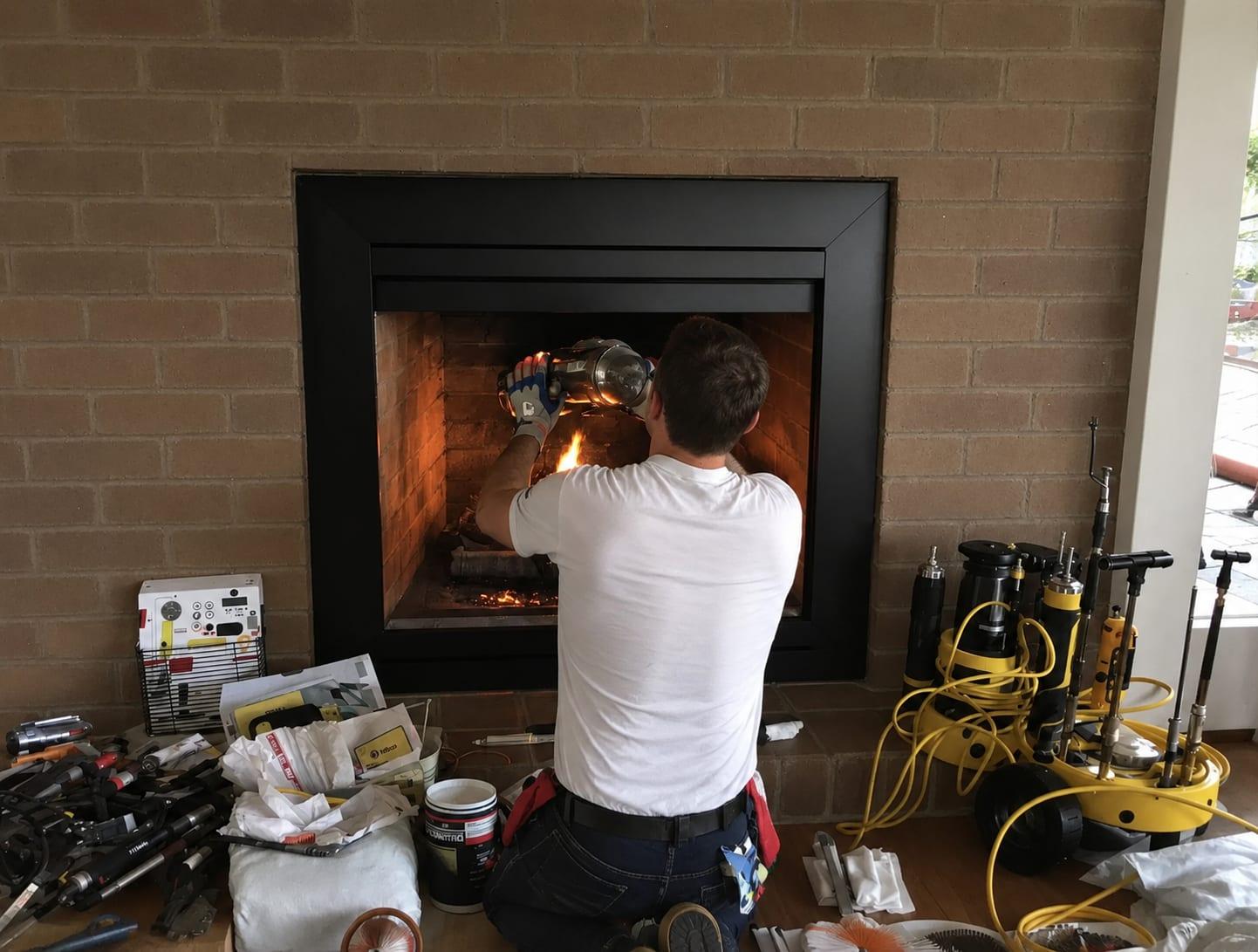
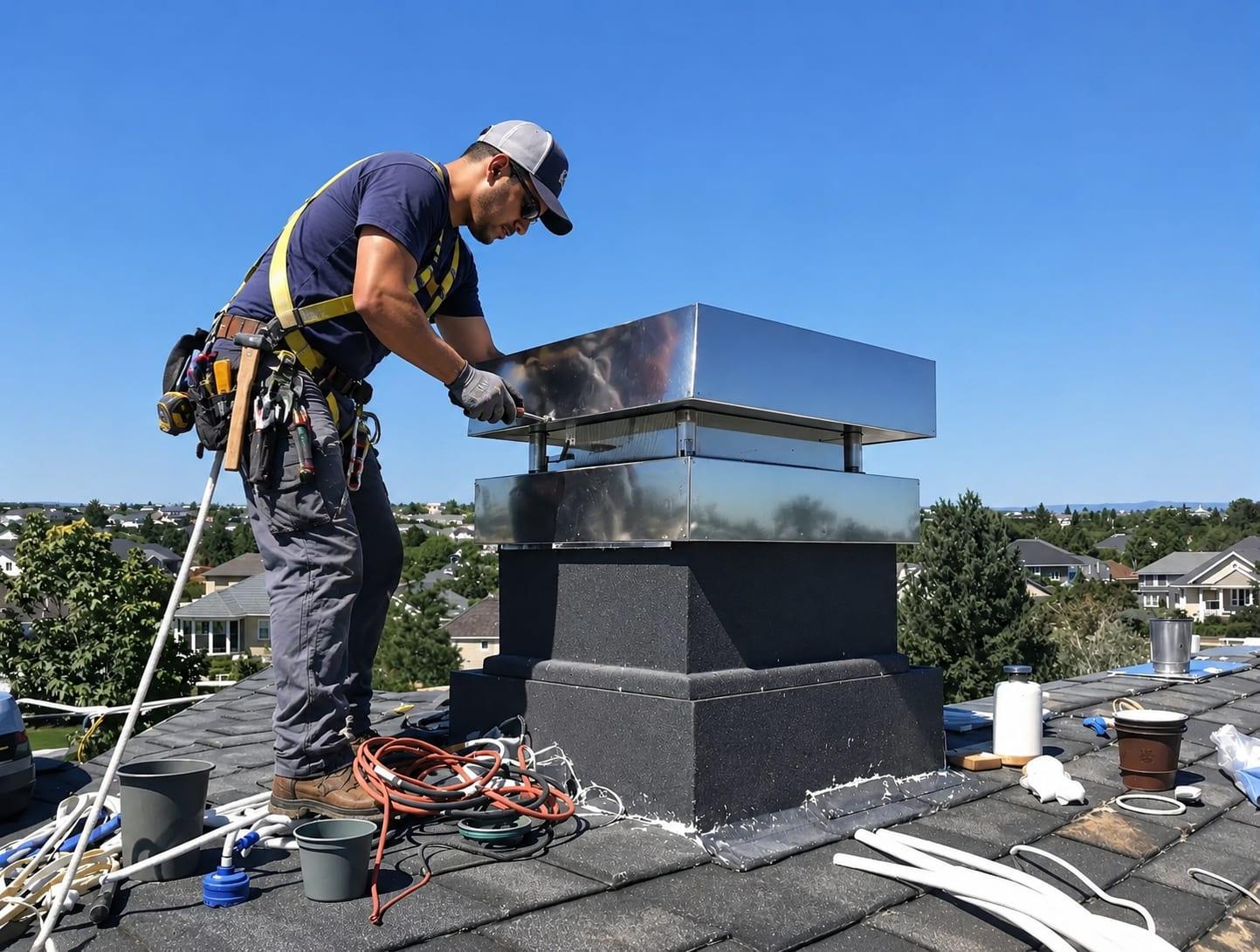
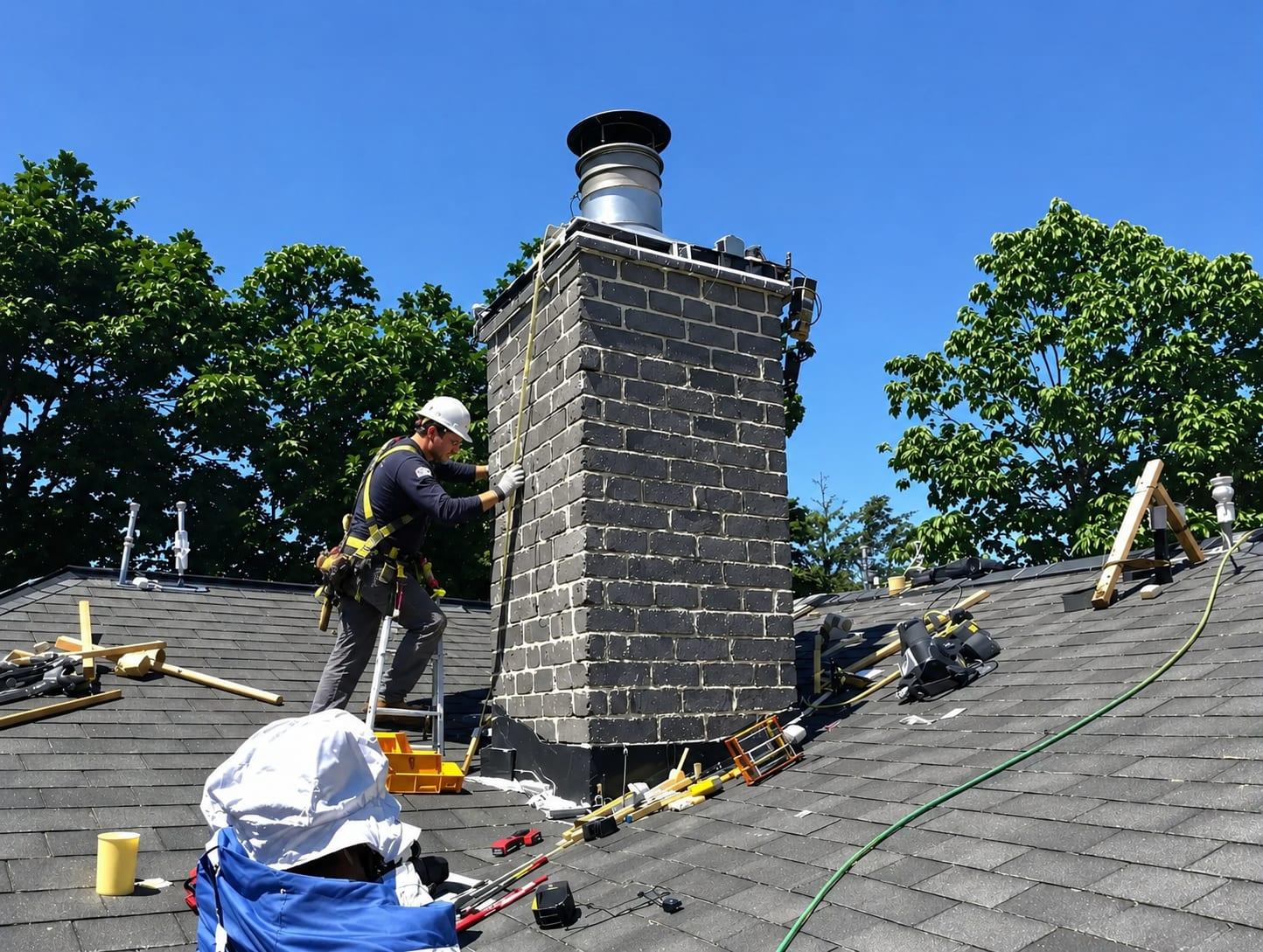
A metal chimney is a factory-built system of insulated, double- or triple-wall stainless steel pipe sections that lock together. It is tested and listed as a complete system, so every part, from the support at the base to the cap at the top, has to come from that same system and be installed to its instructions. Done correctly, it vents a wood stove or prefab fireplace safely without the weight or footprint of masonry.
Components in a typical system
- Ceiling or roof support that carries the chimney's weight
- Firestops where the pipe passes through each floor or ceiling
- Attic insulation shield to keep insulation clear of the pipe
- Roof flashing and storm collar to seal the roof penetration
- A chase or exposed section above the roofline
- A cap to keep out rain, debris and animals
On a chase-enclosed chimney, the top is closed by a chase cover with the cap above it. Our guide to how chimney caps differ from chase covers explains which part does what.
When a home needs a metal Chimney
- Adding a wood stove or factory-built fireplace where there is no masonry chimney
- Replacing a prefab fireplace, since the new unit usually requires the chimney system it was listed with
- An existing metal chimney with rust, dented or separated sections, or damage after a chimney fire
- A leak around the roof flashing that has damaged the pipe or framing
If you already have a sound masonry chimney, you may not need a new chimney at all. A stainless liner fitted inside it is often the better route; see how chimney liner installation works and why every chimney needs a liner. For brick construction, start with our chimney installation service.
What the visit involves, step by step
From layout to final check
Layout
We confirm the appliance, its listed chimney requirements, and a route through each floor, the attic and the roof.
Free written estimate
You get the full scope, including framing, roof work and any chase.
Support and firestops
The base support is installed and openings are framed with the required clearances.
Pipe sections
Sections are locked together through the house, with an insulation shield in the attic.
Roof and cap
Flashing and storm collar seal the penetration, and the cap goes on. We can also handle chimney cap installation separately on existing systems.
Draft check
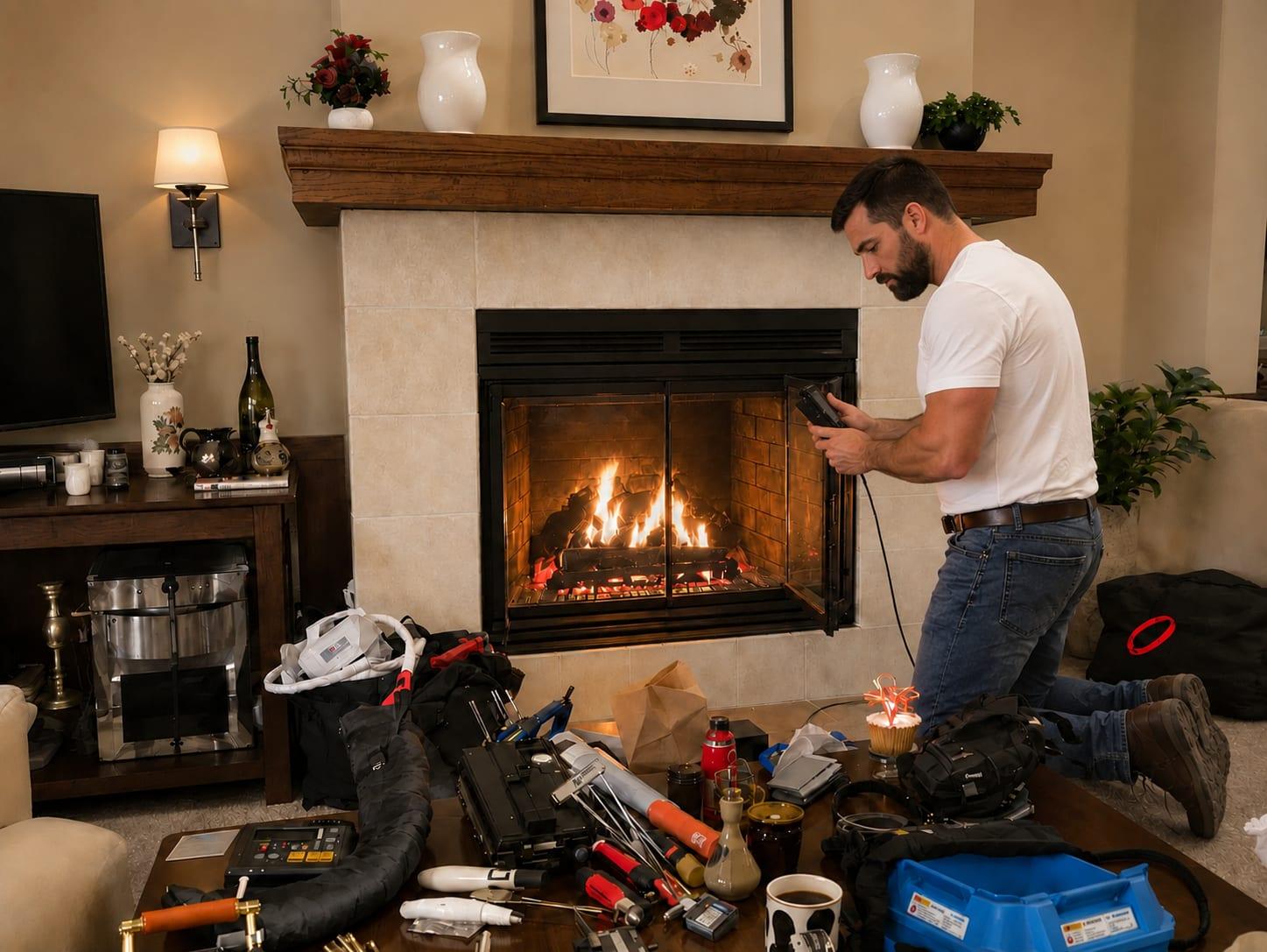
We check the appliance drafts correctly and go over care with you.
The cap and damper both affect how well the system lasts; read about the benefits of chimney caps and dampers.
Getting started
Same-day visits are available when the schedule allows, though never guaranteed, and emergency calls are accepted. We work with all major brands, handle gas appliance work, and take commercial and property-manager projects.
Carbon monoxide
A blocked or damaged flue can push carbon monoxide into the home. If an alarm sounds or anyone feels dizzy or sick near the fireplace, get everyone outside and call 911.
When to book metal chimney installation
- A fireplace that's hard to use
- Visible damage to the chimney
- Smoke, smells or stains near the fireplace
How to prepare
- Keep pets in another room while the work area is open.
- Clear a few feet of space in front of the hearth or appliance.
- Let the fireplace or stove cool completely — ideally no fire for 24 hours before the visit.
- Write down what you've noticed and when it happens — smells, smoke, sounds or stains.
What we look at
- Flashing
- Damper
- Firebox
- Flue and liner