On this page
What brick chimney installation involves
A masonry chimney is several systems built together. The brick shell carries the weight and the weather. Inside it, a flue sized to the fireplace or stove carries smoke out. A crown at the top sheds water, flashing seals the joint where the chimney passes through the roof, and a cap keeps rain and animals out. Each part has to suit the appliance it serves, because a flue that's too big or too small drafts poorly no matter how good the brickwork looks.
Brick is one option among several. For homes where a factory-built or metal system makes more sense, our broader chimney installation service covers those choices too.
When a new brick chimney is the right call
- You're adding a masonry fireplace or wood stove to a home that never had a chimney.
- An addition or remodel needs a chimney in a new location.
- The existing chimney is leaning, separating from the house, or cracked through the structure.
- Bricks and mortar have deteriorated so widely that repairs would mean replacing most of it anyway.
- Storm damage or a fallen tree destroyed the upper chimney.
- You want a brick exterior in place of an aging framed chase.
If the damage is limited to the top few courses, the crown or the mortar joints, a rebuild of that section or repair work may be enough. We'll tell you plainly whether a full new chimney is really needed.
What the work involves, step by step
From plan to finished chimney
Site visit and estimate
We look at where the chimney will go, the appliance it will serve and the roofline it passes through, then give you a free estimate.
Planning
We settle the flue size, the chimney height above the roof, the footing, and the brick and mortar that suit your house.
Foundation and firebox
The chimney starts on a footing that can carry its weight, then the firebox or appliance connection is built.
Masonry and flue
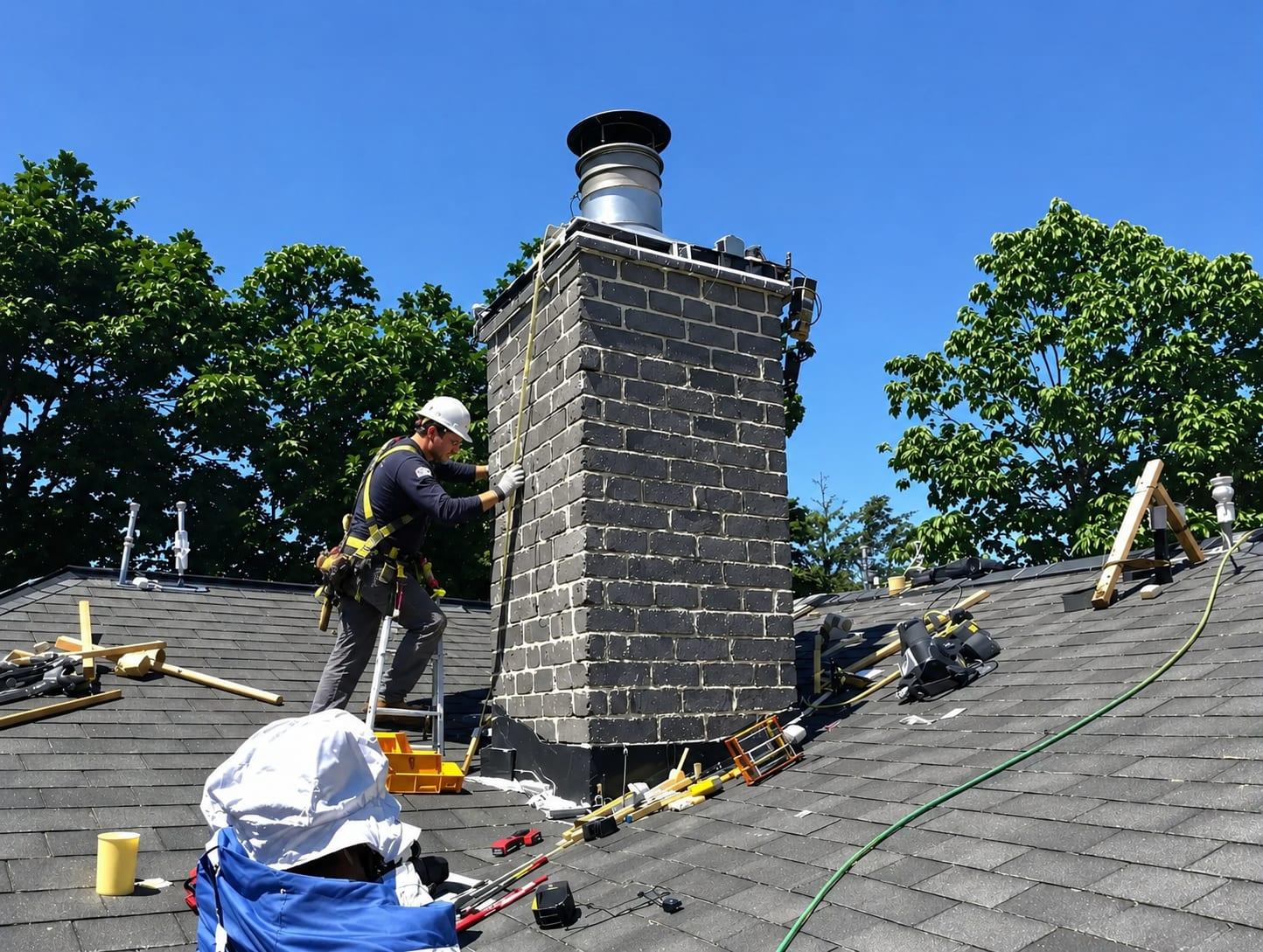
The brick shell goes up course by course around the flue, with clearance kept from framing.
Roof and top
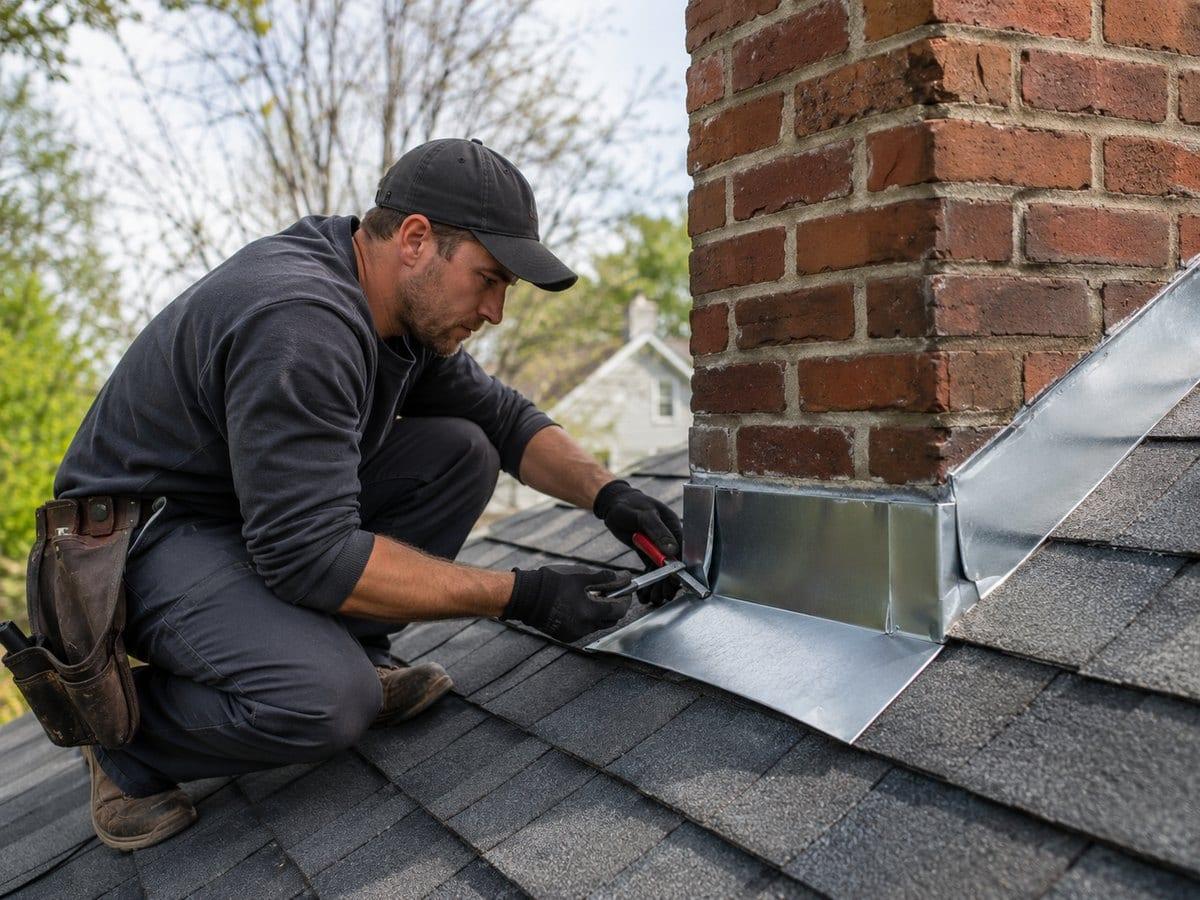
Flashing is tied into the roof, the crown is formed to shed water, and the cap goes on.
Final walk-through
We check draft and finish details and go over care and first-fire advice with you.
Components that make it last
The liner is the part homeowners think about least and need most. It protects the brick from heat and corrosive combustion byproducts, and every chimney needs a liner explains why. We handle chimney liner installation as part of the build or on its own. Up top, a cap and a good damper keep out water, debris and drafts.
Getting started
Get in touch with a description of the project, whether it's a new fireplace, a replacement or an addition, and we'll arrange a visit and a free estimate. Commercial and property-manager projects are welcome, and if a damaged chimney needs urgent attention before the rebuild, emergency calls are accepted.
Before the technician arrives
- Move rugs, photos and anything fragile away from the work area.
- Let the fireplace or stove cool completely — ideally no fire for 24 hours before the visit.
- Keep pets in another room while the work area is open.
- Write down what you've noticed and when it happens — smells, smoke, sounds or stains.
Stay off the roof
Looking from the ground or with binoculars is safe. Climbing a steep or wet roof to inspect a chimney is not — leave that to someone with the right equipment.
What we look at
- Footing or sound masonry to build from
- Crown and cap
- Height above the roof
- Permit requirements
- Flashing at the roof line
When to book brick chimney installation
- A chimney with loose, spalling or leaning masonry above the roof
- A new fireplace or stove that needs a chimney
- Storm or impact damage to the stack
- A crown and top courses too far gone to repair