On this page
What prefab chimney & chase repair covers
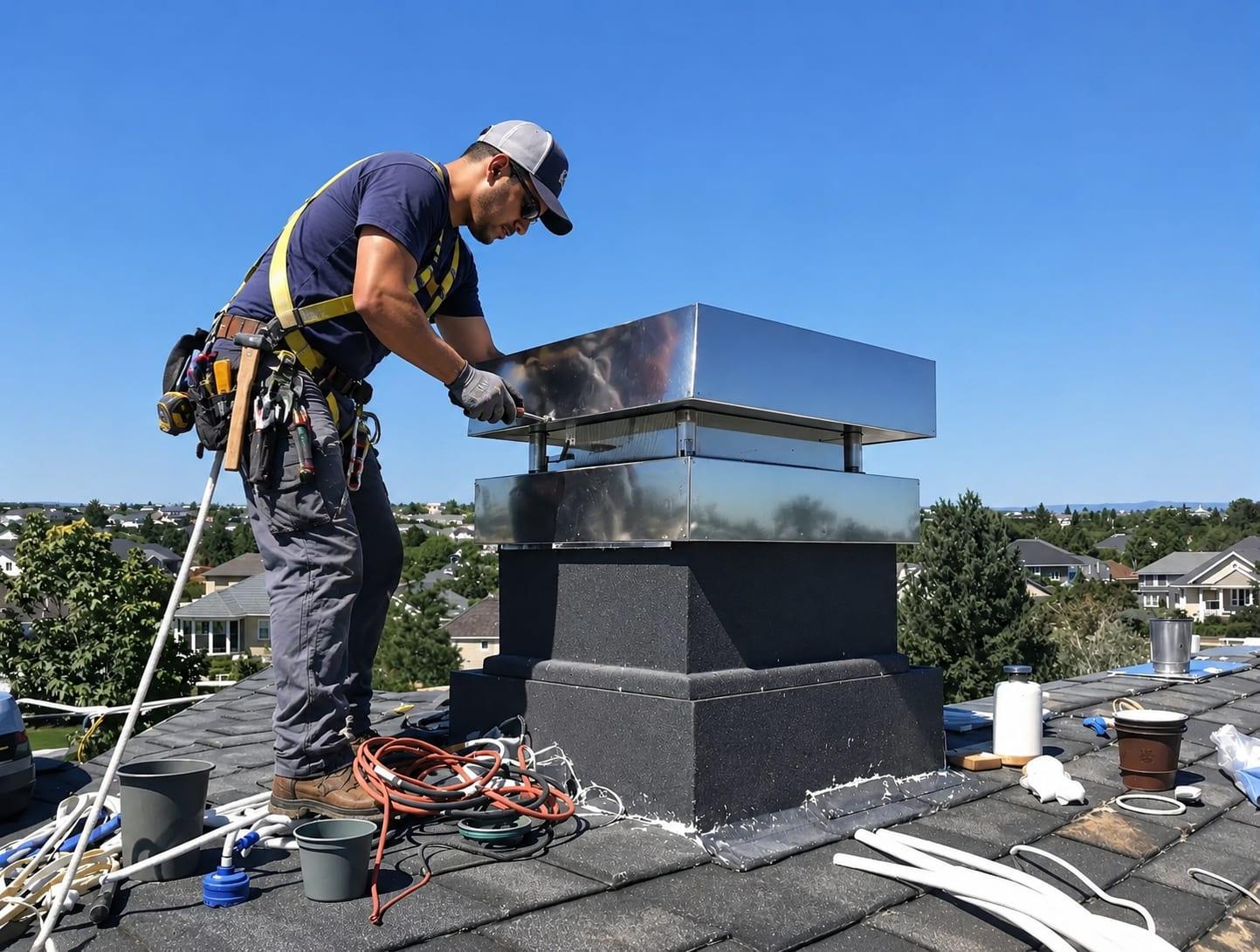
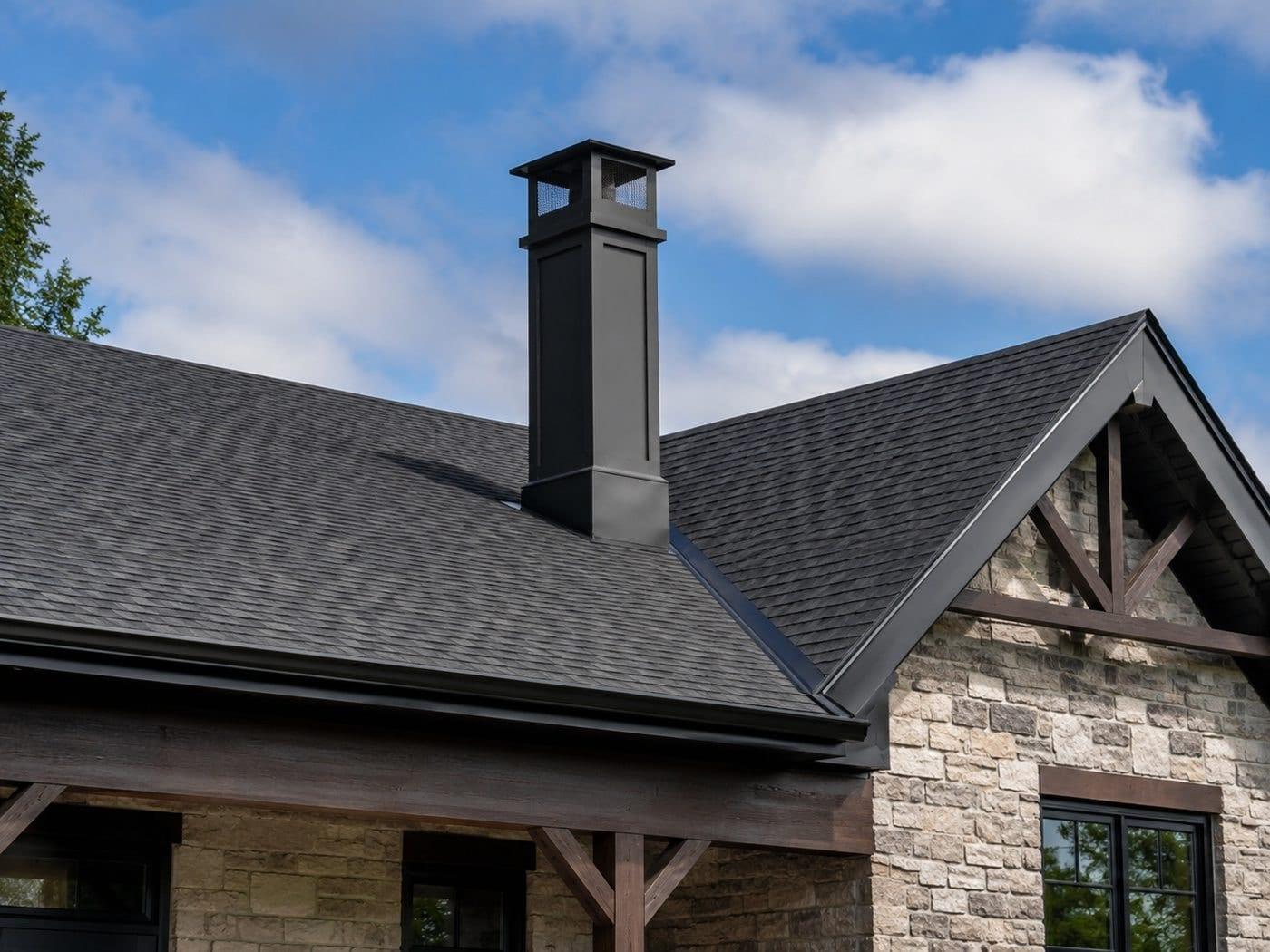
A prefab, or factory-built, fireplace vents through a metal chimney pipe instead of a brick-and-mortar flue. Outside the house, that pipe usually runs up through a chase, a wood-framed box finished with siding so it looks like a chimney. A metal chase cover seals the top of the box, and a cap sits over the flue opening.
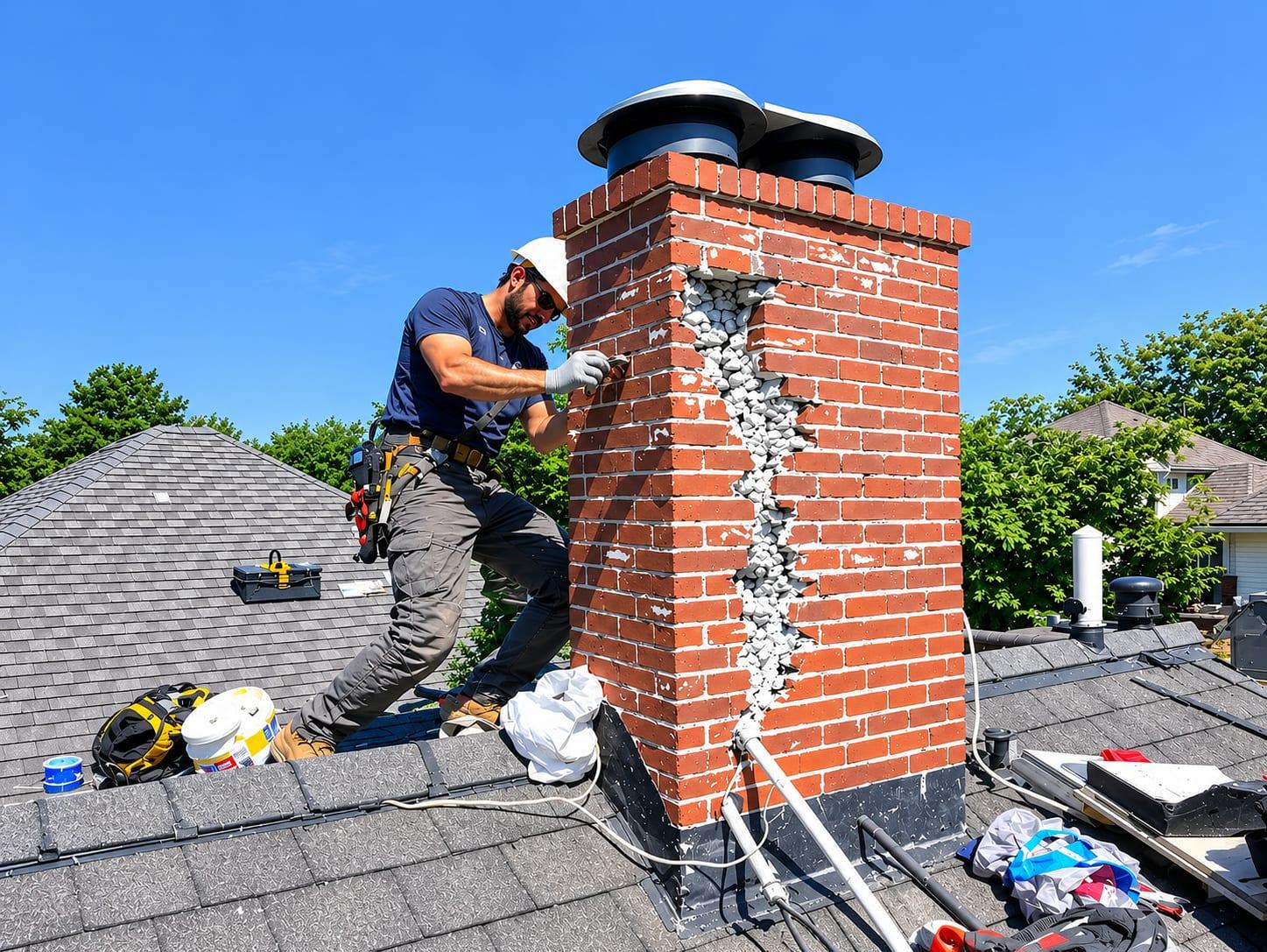
Repairing this system means finding the point where it has failed and fixing that part. Most often the failure is wherever water gets in. Depending on the damage, the work can involve the chase cover, the cap, the siding and framing of the chase, or the metal chimney sections inside it. Replacement parts need to suit the system that is already installed. If you're not sure which kind of chimney your home has, read about how prefab and masonry chimneys differ. Brick chimneys need different work, which is covered under our broader chimney repair work.
The parts we work on
- Chase cover: the metal pan across the top of the chase that keeps rain out of the enclosure.
- Cap and storm collar: the cap keeps rain, debris and animals out of the flue, and the collar seals where the pipe passes through the cover.
- Chase enclosure: the framing, sheathing, siding and trim that make up the box.
- Metal chimney pipe: the factory-built flue sections that carry smoke or exhaust up and out.
- Firebox, refractory panels and damper: inside the house, these often show the first signs of water coming in from above.
Signs the chase or prefab chimney needs repair
Call for a look if you notice
- Water stains on the ceiling or wall next to the fireplace, especially after heavy rain
- Rust streaks running down the siding of the chase
- Rust flakes, drips or standing water in the firebox
- A chase cover that sags, holds puddles or has rusted through
- A cap that is loose, bent or missing
- Soft, swollen or rotting siding or trim on the chase
- Scratching, chirping or nesting material in or around the chase
- A musty or damp smell from the fireplace
Most of these problems start at the top of the chase. A flat or dented cover lets water pool, and over time rust eats through the metal. Water then runs down inside the enclosure, where it can soak the framing and rust the chimney pipe and firebox long before anything shows indoors. When the cover is still sound and only the seams, sealing or collar have failed, repairing the chase cover may be enough. If it has rusted through, replacing the chase cover with one shaped to shed water is the lasting fix. It also helps to know the difference between a cap and a chase cover, because the two are often confused and they fail in different ways.
What happens during a repair visit
From first look to finished repair
Hear what you've seen
We ask where the stains or rust show up, whether they follow rain, when the fireplace was last used and whether it burns wood or gas.
Check inside the house
We look at the firebox, refractory panels, damper and any visible pipe, plus the walls and ceiling around the fireplace.
Check the top of the chase
On the roof, we examine the chase cover, cap, storm collar, siding, trim and the joint where the chase meets the roof.
Look inside where needed
If the damage isn't clear from outside, we look down the flue or into the chase, using a camera when that gives a better view.
Explain the findings and estimate
You get a plain explanation of what is failing, what fixes it and what can wait, along with a free estimate before any work starts.
Make the repair
Depending on the findings, we repair or replace the cover, cap or collar, fix damaged siding and trim, or replace damaged chimney sections. Then we check that water is directed away from the chase.
Safety and upkeep for a factory-built chimney
Hold off on fires until it's checked
If the chimney pipe is dented, separated or badly rusted, if parts are missing, or if water has been getting into the firebox, don't use the fireplace until it has been inspected. A prefab system is designed to work as a complete set of matched parts, so a damaged section can affect how safely it handles heat.
Day to day, burn only the fuel your unit is designed for, keep the cap in place and look up at the chase cover after big storms. Wood-burning units need regular sweeping, and every type benefits from a yearly inspection that catches rust and loose seals early. If you'd like more background, here is what chimney caps and dampers do to keep water and drafts out. If your prefab fireplace runs on gas, we handle gas fireplace work as well.
Booking prefab chimney and chase repair
Get in touch to describe what you're seeing, and we'll set up a visit to look at the chase and chimney. Same-day visits are available where the schedule allows, though they are never guaranteed, and emergency calls are accepted. Commercial and property-manager work is offered too, so rental homes and managed properties are covered.